
Recognizing the Top Signs of Leaky Gut Syndrome: A Comprehensive Guide
Leaky gut syndrome presents with various signs such as skin issues, thyroid problems, food sensitivities, digestive disturbances, mental health symptoms, and nutrient deficiencies. Recognizing these symptoms early and seeking medical advice can help manage and potentially reverse the condition, promoting better health and vitality.
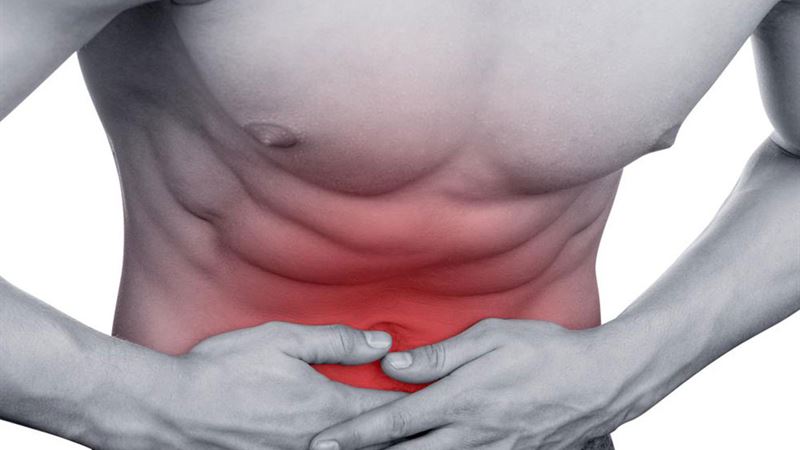
Leaky gut syndrome, also known as increased intestinal permeability, is a condition that has gained significant attention in recent years due to its widespread impact on health. It occurs when the lining of the small intestine becomes damaged, leading to toxins, undigested food particles, and bacteria escaping into the bloodstream. This disruption can trigger a cascade of health issues affecting various bodily systems. Understanding the symptoms associated with leaky gut is crucial for early detection and effective intervention. This extensive guide explores the most common signs of leaky gut syndrome, shedding light on how they manifest and what actions to take if you suspect you are affected.
Leaky gut syndrome can present with a broad spectrum of symptoms, often overlapping with other health conditions, which makes diagnosis challenging. However, recognizing the characteristic signs can help you seek timely medical advice and adopt lifestyle changes that promote gut health. Here, we delve into the six most prevalent symptoms and discuss their underlying mechanisms.
- Skin Conditions: Acne, Psoriasis, and Eczema
The connection between gut health and skin conditions is well established. When the intestinal lining becomes compromised, it can lead to immune system dysregulation, resulting in inflammatory skin disorders such as acne, psoriasis, and eczema. These skin issues are often persistent and resistant to conventional treatments, making them potential indicators of underlying gut problems. The skin's condition may reflect internal inflammation or toxic overload caused by a leaky gut.
- Thyroid Dysfunction: Hashimoto's Disease and More
Autoimmune responses are frequently linked to leaky gut. Hashimoto's thyroiditis, an autoimmune disorder that damages the thyroid gland, is a common symptom associated with increased intestinal permeability. Symptoms such as fatigue, weight fluctuations, depression, and mood disturbances often accompany this condition. The deteriorated gut wall allows toxins to infiltrate, triggering immune responses that may target the thyroid gland, leading to hypothyroidism or other thyroid-related issues.
- Food Intolerance and Sensitivities
One of the hallmark signs of leaky gut is heightened sensitivity to various foods. The damaged intestinal lining permits large, undigested proteins and toxins to enter the bloodstream, which the immune system perceives as foreign invaders. Common food intolerances include dairy, gluten, soy, and processed foods. Individuals with leaky gut often report inexplicable cravings for sweets and carbohydrate-rich foods, as their bodies seek quick energy sources to compensate for nutrient absorption issues.
- Digestive Problems: IBS, Constipation, and Diarrhea
Increased intestinal permeability causes inflammation and disrupts normal bowel movements. Many individuals with leaky gut develop irritable bowel syndrome (IBS), characterized by abdominal pain, bloating, constipation, diarrhea, or a combination of both. The impaired barrier function hampers nutrient absorption and can lead to further digestive disturbances, creating a vicious cycle of discomfort and malnutrition.
- Mental Health Challenges: Brain Fog, Mood Swings, and Anxiety
The gut-brain axis—a bidirectional communication system between the gastrointestinal tract and the nervous system—plays a critical role in mental health. A compromised gut barrier can lead to neuroinflammation and imbalance in neurotransmitter production, resulting in symptoms such as brain fog, depression, anxiety, irritability, and mood swings. These neurocognitive issues not only diminish quality of life but also hinder daily functioning and relationships.
- Nutritional Deficiencies and Enzyme Imbalances
Leaky gut interferes with proper nutrient absorption, leading to deficiencies in essential vitamins and minerals such as B12, magnesium, zinc, and fat-soluble vitamins A, D, E, and K. Additionally, the damage to the digestive enzymes reduces the body's ability to break down and assimilate food effectively, exacerbating nutritional deficits and weakening immune defenses.
If you recognize several of these symptoms in yourself, it is vital to consult a healthcare professional. Proper diagnosis and targeted treatment, including dietary adjustments, supplements, and lifestyle modifications, can significantly improve gut health and overall well-being.