
Identifying and Managing Mold Allergy Symptoms in Infants
This extensive guide highlights the key symptoms of mold allergy in infants, emphasizing early detection, prevention strategies, and effective treatment options. Understanding how mold impacts young children allows parents to take proactive measures to safeguard their health, including improving home ventilation, fixing leaks, and seeking timely medical advice. Recognizing signs such as respiratory issues, skin rashes, and eye irritations helps in prompt intervention, minimizing the health risks associated with mold exposure. Protect your child’s health by staying informed and prepared against environmental mold threats.
Mold, a type of fungus thriving in damp and humid environments, can have serious health implications, especially for vulnerable populations like infants. Young children have developing immune systems, making them more susceptible to allergic reactions and respiratory issues caused by mold spores. Recognizing the symptoms promptly can lead to timely intervention, reducing the risk of long-term health problems.
Common Symptoms of Mold Allergy in Infants
- Respiratory Distress and Breathing Difficulties
Infants exposed to mold spores frequently exhibit respiratory symptoms similar to those seen in seasonal allergies. These include persistent coughing, sneezing, nasal congestion, and wheezing. Some babies might demonstrate signs of labored breathing, which warrants immediate medical attention. Mold spores can irritate the delicate lining of the respiratory tract, leading to inflammation and breathing struggles.
- Persistent Nasal Congestion and Runny Nose
Nasal congestion is a common symptom in mold allergy cases. In infants, this often manifests as a stuffy nose that can interfere with feeding and sleeping. A runny nose, often accompanied by clear, watery mucus, is another indicator. These symptoms can be mistaken for cold or flu, but if they persist without an apparent cause, mold allergy may be the underlying issue.
- Skin Reactions: Rashes and Itching
Upon contact with mold spores, many infants develop skin reactions, including irritation, redness, and itchy rashes. These skin issues can appear as patchy areas that may spread over the body, leading to discomfort and fussiness. It is essential to observe if skin symptoms coincide with respiratory issues, which can point towards a mold allergy.
- Eye Irritations and Discharge
Eyes may become inflamed, itchy, and watery when exposed to mold. Soreness, redness, and swelling around the eyes are common signs. Excessive eye irritation can be distressing for infants, impacting their comfort and overall health. Regular eye cleaning and air quality management are recommended to reduce exposure.
- Other Less Common Symptoms
Some infants may experience fatigue, irritability, or decreased appetite due to ongoing allergic reactions. In severe cases, allergies can exacerbate asthma symptoms or lead to infections, necessitating medical attention.
Why Are Infants More Sensitive to Mold?
Infants have immature immune defenses, making them particularly vulnerable to environmental allergens like mold spores. Their developing respiratory and skin barriers do not offer the same protection as adults, leading to a higher likelihood of allergic responses. Additionally, babies spend more time in indoor environments where mold may proliferate, especially if homes have issues with humidity or water leaks.
Environmental factors such as poor ventilation, damp walls, or hidden water damage can make indoor spaces ideal breeding grounds for mold. Since infants are less able to communicate their discomfort clearly, parents need to be vigilant about recognizing early warning signs.
Preventive Measures to Protect Infants from Mold Exposure
- Maintain a dry and ventilated living environment. Use dehumidifiers in humid climates to keep indoor humidity below 50%.
- Fix leaks promptly and ensure proper drainage to prevent water accumulation and mold growth.
- Regularly clean and disinfect surfaces prone to mold, such as bathroom tiles, window sills, and damp curtains.
- Avoid placing potted plants or carpets in areas with poor airflow, as they can harbor mold spores.
- Open windows for ventilation when outdoor air quality is good, reducing indoor moisture levels.
- Use air purifiers equipped with HEPA filters to capture microscopic mold spores from indoor air.
- Ensure that furniture and clothing are thoroughly dried, and avoid storing items in damp areas.
When to Seek Medical Attention
If your infant exhibits persistent symptoms of mold allergy, such as ongoing coughing, wheezing, skin rashes, or eye irritations, consult a pediatrician immediately. Persistent or severe respiratory issues may require specific medications or allergy treatments. Early diagnosis and management can significantly improve your child's quality of life and prevent complications.
Effective Treatment Options for Mold Allergies in Infants
- Antihistamines may be prescribed by your healthcare provider to relieve allergic symptoms such as sneezing and itching.
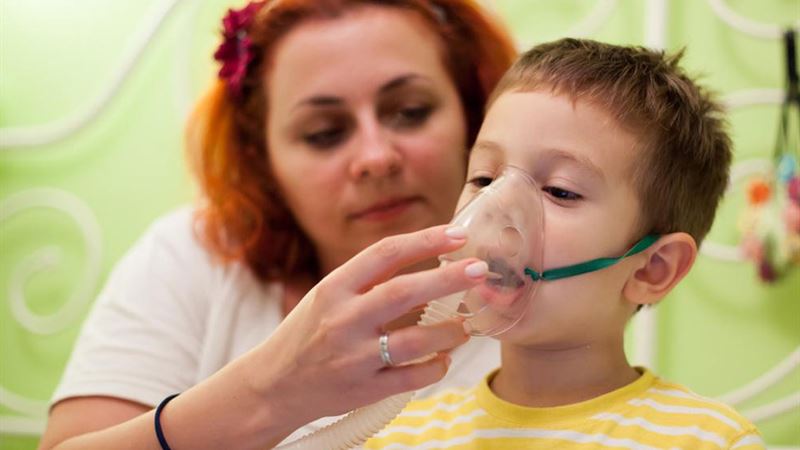
- In cases of respiratory distress, inhalers or nebulizers might be necessary to ease breathing difficulties.
- Allergy shots (immunotherapy) may be recommended for long-term relief, although this is usually considered for older children.
- Eliminating mold exposure remains the cornerstone of management. Regular cleaning, moisture control, and environmental adjustments are vital.
Long-Term Care and Follow-up
Monitoring your child’s health and maintaining an environment free from mold is essential for long-term well-being. Regular check-ups with a pediatric allergist can help track allergy progression and adjust treatment plans accordingly. Educating caregivers about mold prevention and recognizing early symptoms can empower families to act promptly.