
Effective Strategies for Managing Symptoms Caused by Mold Exposure
Discover comprehensive strategies to identify, prevent, and treat mold exposure symptoms effectively. Understand mold-prone areas, health risks, and proactive measures to maintain a healthy indoor environment, especially for vulnerable groups like allergy sufferers and asthmatics. This detailed guide offers practical tips and treatment options to minimize health impacts and promote mold-free living spaces.
Fungi that thrive outdoors play an essential role in breaking down organic materials like fallen leaves and compost piles. Typically, these molds flourish in environments that are damp and shaded. Understanding the conditions conducive to mold growth can help prevent indoor mold proliferation and safeguard health.
Indoor molds are common in various parts of a home and can cause health problems if left unchecked. Recognizing typical mold-prone areas and entry points is vital for prevention.
The most suitable environments for mold development include:
- Damp, humid settings
- Warm temperatures
- Areas with high moisture levels
Molds can impact surfaces within enclosed spaces, leading not only to structural damage but also to serious health concerns. Recognizing these issues early can help mitigate health risks associated with mold exposure.
Molds are often found in specific indoor locations such as:
- Bathrooms and basements
- Drywall and ceiling tiles
- Carpets and upholstered furniture
- HVAC duct systems
- Roofing materials
- Wallpapered walls
In addition, mold spores can infiltrate homes through numerous pathways, including:
- Open doors and windows
- Vents and air ducts
- On shoes and clothing
- Via pets and their fur
- Contaminated food items
Not all mold exposure is detrimental. Some molds are beneficial, especially in food production.
- Brie
- Gorgonzola
- Stilton
Health Risks Linked to Mold Exposure
- Allergen production, causing allergic reactions
- Generation of mycotoxins, which can be toxic if present in significant amounts
Having mold in your environment doesn’t automatically mean toxins are present, nor does it always indicate a high health risk. However, exposure can still trigger health issues, especially in sensitive individuals.
Most common health problems associated with mold involve allergic reactions, but some individuals might experience other health concerns, albeit less frequently.
Signs and Symptoms of Mold Allergic Reactions
Allergic responses to mold are widespread and tend to occur immediately upon exposure, though they can also develop gradually. Typical symptoms include:
- Runny and congested nose
- Watery, red, or itchy eyes
- Frequent sneezing
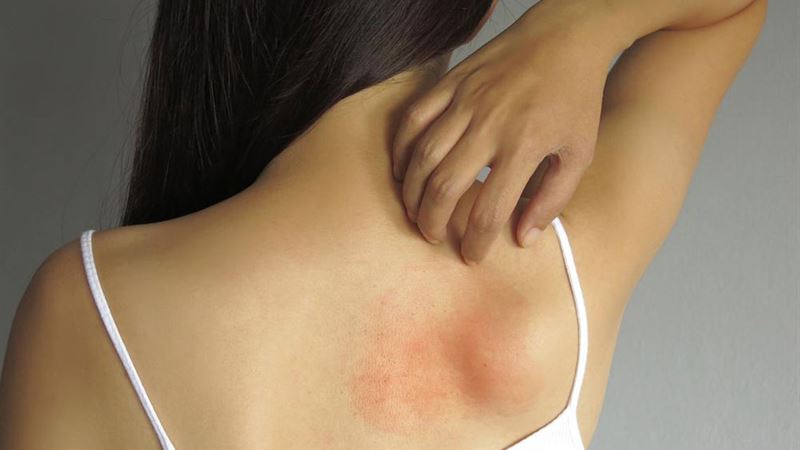
- Skin rashes and hives
- Itchy or irritated skin
For individuals with respiratory conditions like asthma, mold can act as a trigger for exacerbating symptoms or causing asthma attacks. Even if you do not have allergies, mold exposure can cause irritation characterized by:
- Skin and eye irritation
- Coughing and throat discomfort
In rarer instances, more severe reactions may develop, such as:
- Fever
- Breathing difficulties
Prolonged or intense mold exposure in individuals with compromised immune systems or pre-existing lung issues can lead to lung infections. Those with chronic lung illnesses or weakened immunity are at higher risk of developing serious health complications.
Other Health Conditions Associated with Mold Exposure
Hypersensitivity Pneumonitis
An inflammatory lung condition caused by inhaling mold spores, often worsened by dusty environments or workplaces with mold presence.
Allergic Bronchopulmonary Aspergillosis
A lung-related allergic condition primarily affecting individuals with asthma or cystic fibrosis, triggered by mold exposure.
Allergic Fungal Sinusitis
An inflammatory response affecting the sinuses, caused by mold allergens.
Approaches to Treat Mold Exposure Symptoms
Addressing symptoms caused by mold exposure involves treatment strategies similar to those used for other allergic reactions. The primary goal is to reduce mold spores in the environment and manage the immune response.
Common treatment methods include:
- Use of antifungal medications
- Medications to improve breathing and circulation
Asthma patients may require tailored treatment plans based on symptom severity, including inhalers and other respiratory therapies.
Individuals more susceptible to mold-related health problems generally share certain risk factors, such as:
- A family history of allergies or respiratory conditions
- Occupational exposure in environments like farms, logging areas, or greenhouses
- Living in areas with high humidity levels exceeding 50%
- Buildings prone to moisture issues due to leaks or water seepage
- Poor ventilation systems that trap humidity indoors
Preventive Measures for Mold Growth in Homes
Maintaining a healthy, mold-free indoor environment requires proactive steps to control moisture and humidity. Here are some effective strategies:
- Regularly inspect and promptly repair plumbing leaks and water intrusion issues
- Dry out affected areas within 24-48 hours to prevent mold colonization
- Utilize air conditioning or dehumidifiers during the rainy season to reduce indoor moisture
- Limit the use of carpets in basements or other damp areas
- Ensure proper ventilation, especially in high-risk zones like bathrooms and kitchens
- Use mold-resistant household paints or primers containing mold inhibitors
By implementing these preventive actions, homeowners can significantly reduce mold growth and live in safer indoor environments.