
Comprehensive Guide to External Hemorrhoids: Symptoms, Causes, and Effective Treatments
This comprehensive article explores external hemorrhoids in detail, including their symptoms, causes, prevention tactics, and treatment options. It emphasizes lifestyle modifications, medical procedures, and when to seek professional help. Understanding these aspects can help individuals manage and prevent external hemorrhoids effectively, ensuring quick relief and improved quality of life. With expert guidance, most external hemorrhoids can be treated effectively, restoring comfort and health.
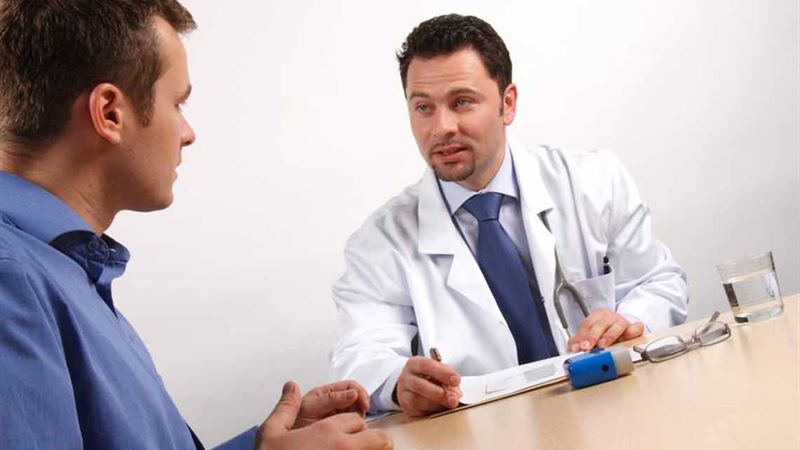
External hemorrhoids, although not life-threatening, can cause significant discomfort and pain, affecting daily activities and overall quality of life. Understanding their symptoms, causes, and the most effective treatment options is crucial for proper management and relief. This extensive guide aims to provide in-depth knowledge about external hemorrhoids, including causes, symptoms, diagnosis, and a variety of treatment strategies suitable for different severities.
Understanding External Hemorrhoids
External hemorrhoids are swollen blood vessels located around the anal opening, often caused by increased pressure in the rectal veins. They can become inflamed, painful, and sometimes thrombosed, leading to further complications if not addressed promptly. While external hemorrhoids are common, especially among certain populations like pregnant women, obesity, or those with chronic constipation, awareness about their symptoms and available treatments can significantly improve outcomes.
Symptoms and Identification
Recognizing external hemorrhoids early is essential to prevent escalation and more severe discomfort. Typical symptoms include persistent itching and irritation around the anus, pain or soreness, especially during bowel movements, and palpable lumps or swellings near the anal opening. In some cases, bleeding may occur, presenting as streaks of blood on toilet paper or in the stool. The lumps may feel tender and swollen upon inspection or touch. The severity of symptoms varies depending on the size of the hemorrhoid and whether it has become thrombosed.
Common Signs and Symptoms
- Itching and irritation around the anal region, often persistent and bothersome
- Pain or discomfort during sitting or bowel movements
- Visible lumps or swelling near the anus, which may be tender to touch
- Bleeding during defecation, sometimes with a sensation of pressure or fullness
Causes and Risk Factors
External hemorrhoids develop mainly due to increased pressure in the veins around the anus. Several factors contribute to this condition, including chronic constipation, prolonged sitting during bowel movements, heavy lifting, obesity, pregnancy, and a sedentary lifestyle. Straining repeatedly during bowel movements causes blood to pool and vessels to enlarge, resulting in hemorrhoids. Pregnant women are particularly susceptible because the expanding uterus exerts pressure on pelvic veins, impeding blood flow and contributing to hemorrhoid formation.
Understanding the Formation Process
The process begins when the veins around the anus become engorged due to increased pressure, causing them to swell and form external lumps. Over time, this can lead to thrombosis, where blood clots form within the swollen vessel, resulting in a hard, painful lump. Thrombosed hemorrhoids are particularly uncomfortable and may require medical intervention for relief. Recognizing early signs and risk factors can help prevent the progression from minor irritation to severe pain and complications.
Prevention Strategies
Prevention is often the best approach to avoid external hemorrhoids. Maintaining a healthy lifestyle that includes a high-fiber diet rich in fruits, vegetables, and whole grains helps ensure soft and regular bowel movements. Adequate hydration, consuming at least 6-8 glasses of non-caffeinated fluids daily, is equally important to prevent hard stools. Regular physical activity, such as walking or light exercise, can reduce pressure on the rectal veins and improve overall circulation. Avoiding prolonged sitting and resisting the urge to strain during bowel movements are simple yet effective preventive measures.
Effective Treatment Options
Treatment options vary based on the severity of external hemorrhoids. Mild cases often respond well to conservative measures, while more severe or thrombosed hemorrhoids may require medical procedures. The goal of treatment is to relieve pain, reduce swelling, and prevent recurrence.
Conservative Management
Most external hemorrhoids can be managed through lifestyle modifications and home remedies. These include maintaining a high-fiber diet, increasing fluid intake, and avoiding straining. Warm sitz baths—soaking the anal area in warm water for 10-15 minutes several times a day—help relax tissues and reduce swelling. Over-the-counter topical creams and ointments, containing ingredients like hydrocortisone or witch hazel, can soothe irritation and decrease inflammation.
Medications and Over-the-Counter Remedies
Pharmacological options include hemorrhoid creams, suppositories, and oral pain relievers such as ibuprofen or Tylenol to manage discomfort. These products may contain numbing agents or steroids to alleviate pain and inflammation. Avoid asymptomatic use of narcotic analgesics, which can worsen constipation. Use medications as directed by your healthcare provider for safe and effective relief.
Medical Procedures for Severe Cases
When conservative methods are insufficient, medical interventions may be necessary. For thrombosed external hemorrhoids causing severe pain, your doctor might perform an incision and drainage procedure to remove the blood clot, providing rapid relief. In cases of persistent or recurring hemorrhoids, minimally invasive procedures such as rubber band ligation, sclerotherapy, or coagulation techniques can be employed. These procedures diminish blood flow to hemorrhoidal tissue, leading to shrinkage and symptom resolution.
Surgical Options
Persistent or complicated external hemorrhoids may require surgical removal, known as hemorrhoidectomy. This procedure is usually reserved for severe cases unresponsive to other treatments and involves excising the hemorrhoidal tissue. Recovery from hemorrhoidectomy requires proper wound care, pain management, and dietary adjustments to ensure proper healing and prevent recurrence.
Post-Treatment Care and Lifestyle Adjustments
After medical intervention, care focuses on wound healing and preventing future hemorrhoid development. Patients are advised to keep the area clean, continue high-fiber diets, stay hydrated, and avoid irritating foods. Regular gentle exercise minimizes pressure on anal veins, reducing the risk of new hemorrhoids forming. Following your healthcare provider’s instructions diligently ensures smoother recovery and long-term relief.
Complications and When to Seek Medical Help
Although external hemorrhoids are generally manageable, complications can arise if left untreated. Thrombosis can deepen, increasing pain and swelling, and infections such as perianal abscesses can develop. Signs that warrant immediate medical attention include severe pain unrelieved by home remedies, excessive bleeding, fever, or the appearance of pus. Prompt medical evaluation and treatment are essential to prevent further complications and ensure swift recovery.
Risk Factors and Special Populations
Particularly vulnerable groups include pregnant women, individuals with obesity, and those with chronic constipation or diarrhea. Pregnant women experience increased abdominal pressure, raising the likelihood of hemorrhoid development. Managing contributing factors, like BMI and bowel habits, can considerably reduce risk. For pregnant women, safe, non-invasive treatments are preferred, with surgical options considered only if necessary and approved by obstetric care providers.
Conclusion
External hemorrhoids, while common, can be effectively managed with early recognition, lifestyle changes, and appropriate medical treatments. Maintaining a fiber-rich diet, hydration, and avoiding activities that increase pressure are fundamental in prevention. When pain or swelling occurs, prompt consultation with a healthcare professional ensures correct diagnosis and tailored treatment. With proper care, most cases of external hemorrhoids can be resolved quickly, restoring comfort and normal activity levels.
Note: Effective management requires personalized consultation with healthcare providers. Do not self-diagnose or self-treat severe symptoms.