
Comprehensive Guide to External Hemorrhoids: Symptoms, Diagnosis, and Effective Treatments
External hemorrhoids are swollen blood vessels around the anus causing itching, pain, swelling, and bleeding. Early detection through visual inspection and medical exams can prevent complications. Treatments range from lifestyle changes like high-fiber diets to surgical options. Preventative steps such as exercise and hydration can significantly reduce risk. Understanding causes, symptoms, and treatment options empowers patients to manage and prevent external hemorrhoids effectively, improving quality of life and hygiene.
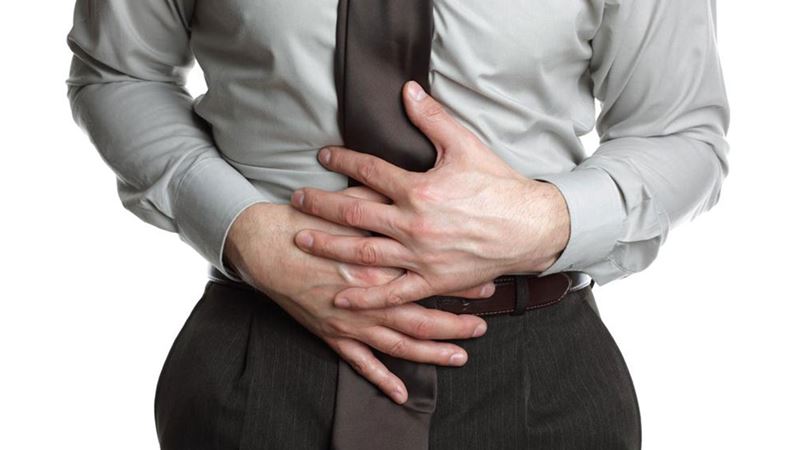
External hemorrhoids are swollen blood vessels that develop around the anal opening, causing discomfort, pain, and other unpleasant symptoms. They are often the result of increased pressure in the rectal area due to factors such as straining during bowel movements, chronic constipation, or prolonged sitting. As we age, the tissues supporting the veins in the anal region weaken, making it easier for external hemorrhoids to form and become more prominent. Recognizing the symptoms early and understanding available treatment options can significantly improve quality of life and prevent complications.
Understanding External Hemorrhoids
External hemorrhoids are a common anorectal condition affecting millions worldwide. They form when the external venous plexus beneath the skin around the anus becomes engorged due to increased pressure or weakened tissues. Unlike internal hemorrhoids, which develop inside the rectum, external hemorrhoids are more visible and palpable, often presenting as lumps or swollen areas around the anus. The condition can be transient or chronic, depending on factors like lifestyle, diet, and underlying health issues. Although external hemorrhoids are not life-threatening, they can cause significant discomfort, itching, bleeding, and pain, impairing daily activities and hygiene.
Causes and Risk Factors
Several factors contribute to the development of external hemorrhoids, most of which are related to increased anal pressure or tissue weakening. Common causes include:
- Chronic constipation and straining during defecation
- Prolonged sitting or standing, especially on the toilet
- Poor dietary habits low in fiber
- Excess weight and obesity
- Pregnancy, due to increased abdominal pressure
- Lack of physical activity
- Genetics, predisposing some individuals to weaker connective tissues
Understanding these risk factors can help in adopting preventative measures such as a high-fiber diet, regular exercise, and avoiding prolonged sitting, which are crucial in managing and preventing external hemorrhoids.
Symptoms of External Hemorrhoids
Recognizing the symptoms of external hemorrhoids early enables prompt treatment and prevents progression. The primary signs include:
- Itching and Irritation: Persistent itching around the anal area, caused by swelling and inflammation, often worsens with scratching, leading to more irritation.
- Anal Pain and Discomfort: Mild to moderate pain, especially during bowel movements or prolonged sitting, can become severe in advanced cases.
- Visible Swelling or Lumps: Tender lumps or swellings around the anus, which may be soft or hard, often caused by blood clots (thrombosed hemorrhoids).
- Bleeding During Bowel Movements: Bright red blood stains on stool or toilet paper are common symptoms, indicating bleeding from swollen veins.
- Discharge or Pus: In cases where thrombosed hemorrhoids become infected, pus may drain, increasing discomfort and risk of infection.
Diagnosis of External Hemorrhoids
External hemorrhoids are generally straightforward to diagnose due to their visible swelling. During a clinical examination, a healthcare provider inspects the anal area for lumps, swelling, or skin changes. Medical history plays a pivotal role; recurrent episodes of pain, bleeding, or itching strongly suggest hemorrhoids. Additional diagnostic procedures include:
- **Rectal Examination:** Palpation to assess the size, location, and tenderness of external lumps.
- **Anoscopy:** A small, illuminated tube inserted into the anal canal to visualize internal structures and determine whether internal hemorrhoids or other anorectal conditions are present.
- **Stool Test:** Checking for blood in stool to confirm bleeding and rule out other causes like colorectal polyps or cancer.
- **Colonoscopy:** Recommended if bleeding persists or other concerning signs arise, to exclude malignancies or more serious pathologies.
Accurate diagnosis is essential since symptoms of external hemorrhoids may mimic other conditions such as anal fissures, infections, or tumors. Delay in diagnosis can lead to complications, including persistent bleeding or tissue necrosis.
Gender and Age Considerations
Hemorrhoids are more prevalent among women, especially during pregnancy and postpartum periods due to hormonal changes and increased pelvic pressure. Women are also more susceptible to developing external hemorrhoids because of their biological anatomy. Although men are less frequently affected, they are still at significant risk, particularly with lifestyle factors like obesity and poor diet. The incidence of external hemorrhoids tends to increase with age as connective tissues weaken, making older adults more prone. Recognizing these patterns can facilitate early intervention and tailored prevention strategies.
Effective Treatment Strategies
Managing external hemorrhoids requires a personalized approach based on severity and individual health status. Here are some effective methods to alleviate symptoms and promote healing:
- Dietary Modifications: Increasing fiber intake through fruits, vegetables, whole grains, and legumes softens stool, reduces straining, and alleviates pressure on hemorrhoids. Adequate hydration is equally vital to prevent constipation.
- Physical Activity: Regular moderate exercise, such as walking for 20-30 minutes daily, improves bowel function, reduces weight, and promotes healthy circulation, decreasing the likelihood of hemorrhoid formation.
- Home Remedies: Applying ice packs or cold compresses to the affected area can provide immediate relief from swelling and pain. Warm Sitz baths can soothe sore tissues, especially after bowel movements.
- Topical Medications: Over-the-counter creams and ointments containing hydrocortisone or witch hazel can diminish inflammation, itching, and discomfort. For thrombosed hemorrhoids, topical pain relievers can be used under medical guidance.
- Medical Procedures: In severe cases or persistent symptoms, medical interventions might be necessary:
- Hemorrhoidectomy: Surgical removal of external hemorrhoids offers definitive relief but involves postoperative recovery and potential discomfort. Usually performed under local or general anesthesia, it has a high success rate.
- Rubber Band Ligation: For larger external hemorrhoids, especially those with internal components, banding can cut off blood supply, leading to shrinkage and disappearance over several weeks.
- Incision and Drainage: In cases with blood clots or abscess formation, surgical drainage can relieve pain and prevent infection.
Preventive Measures and Lifestyle Tips
Adopting healthy habits plays a crucial role in preventing external hemorrhoids. Some fundamental preventive strategies include:
- Consuming a high-fiber diet regularly to ensure soft and easy bowel movements
- Staying well-hydrated throughout the day
- Avoiding prolonged sitting, especially on the toilet
- Practicing good anal hygiene after bowel movements
- Maintaining a healthy weight to reduce pressure in the pelvic region
- Engaging in regular exercise to promote overall digestive health
With consistent lifestyle adjustments, many individuals can prevent the recurrence of external hemorrhoids and maintain anal health efficiently.