
Essential Guidelines for Selecting the Right Blood Glucose Monitoring Device
Choosing the right blood glucose monitor is vital for effective diabetes management. This comprehensive guide covers essential factors like cost, ease of use, data features, and support to help you find the ideal device. Regular monitoring allows better control of blood sugar, preventing complications and improving quality of life for diabetics. Learn how to evaluate different models, understand ongoing costs, and select features that suit your needs. Empower yourself with the right tools for better health outcomes and a proactive approach to managing diabetes day-to-day.
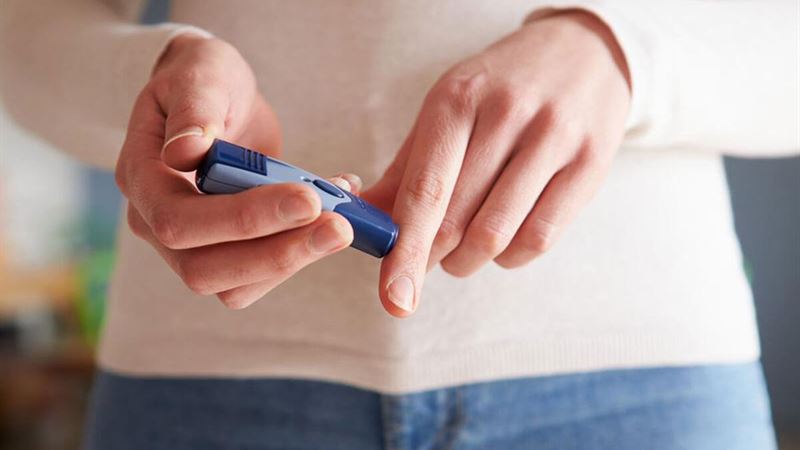
Managing diabetes effectively requires consistent monitoring of blood sugar levels, whether you have type 1 or type 2 diabetes. Both conditions are chronic and necessitate ongoing medical oversight. While some individuals with type 2 diabetes can initially control their condition through lifestyle modifications such as weight management, a balanced diet, and regular physical activity, many eventually need medication or insulin therapy. Conversely, those with type 1 diabetes rely heavily on daily insulin injections because oral medications are ineffective for this form of the disease.
Understanding the signs and symptoms of diabetes is crucial for early detection and management. Symptoms can include persistent hunger, heightened thirst, overwhelming fatigue, frequent urination, mood swings, unexplained weight fluctuations, and blurred vision. Elevated blood glucose levels, known as hyperglycemia, can escalate the risk of organ damage, potentially leading to serious complications. Common complications linked to unmanaged or poorly controlled diabetes include kidney failure, stroke, heart attack, skin scarring issues, and sexual dysfunction such as erectile problems. To prevent these health risks, diligent blood sugar monitoring is essential. Hence, regular blood glucose testing becomes a core component of effective diabetes management.
Self-monitoring blood glucose levels not only helps you understand how lifestyle choices, medications, and other interventions influence your condition but also empowers you to take immediate action if readings fall outside the target range. This proactive approach is vital in maintaining optimal blood glucose levels, preventing both short-term emergencies and long-term health issues. With technological advancements, various types of blood sugar monitoring devices are now available, ranging from basic models to sophisticated systems with multiple functionalities. These devices are compact, often comparable in size to a mobile phone, and are priced from approximately $20 to $70 depending on the features offered. Prior to purchasing a monitor, it is important to evaluate several factors to ensure you select the most suitable device for your needs. Here are key considerations to keep in mind.
- Cost Transparency: While the device itself may be budget-friendly, the ongoing expense of test strips must be accounted for. Test strips can cost around $1 each, which adds up rapidly if multiple daily tests are necessary. For instance, if you test four times a day, your monthly expenditure on strips may exceed $120. Therefore, review the cost of supplies and incorporate this into your overall budget before choosing a blood glucose monitor.
- User-Friendliness: Ease of operation is critical, especially for those who may have limited dexterity or visual impairments. Examine how long it takes for the device to display results, how simple it is to apply blood to the test strip, and how comfortable the device feels during handling. An intuitive interface and quick result display enhance user experience and adherence to regular testing routines.
- Data Management Features: Modern blood glucose monitors often include functionalities that track and store test results automatically. Some devices come with dedicated software that can record testing data, display trends over time, and generate reports that can be shared with healthcare professionals. Others facilitate data transfer to smartphones or computers through Bluetooth or USB connections. Understanding these features will help you choose a device that supports effective monitoring and data analysis.
- Customer Support and Instructions: Choose a device accompanied by clear, comprehensive instructions and reliable customer support options. A toll-free helpline can be invaluable if you encounter technical issues or have questions regarding device operation. Robust support ensures continuous and trouble-free use of your monitor, reinforcing your management routine.
Additional features, such as large buttons, illuminated screens, and audio prompts, can also enhance usability, especially for beginners or users with visual impairments. By considering all these aspects carefully, you can select a blood glucose monitoring device that aligns with your lifestyle, preferences, and health management goals. Proper device choice and consistent use are integral to maintaining stable blood sugar levels and reducing health risks associated with diabetes.