
Comprehensive Guide to Monitoring Blood Sugar Levels and Its Significance
This detailed guide emphasizes the significance of monitoring blood sugar levels through charts for effective diabetes management. It explains when and how to test, factors affecting levels, and the importance of recording results. Proper utilization of blood sugar charts can help prevent complications, optimize treatment, and improve overall health. Learn practical tips for accurate testing and data recording to empower yourself in managing diabetes or maintaining optimal glucose health.
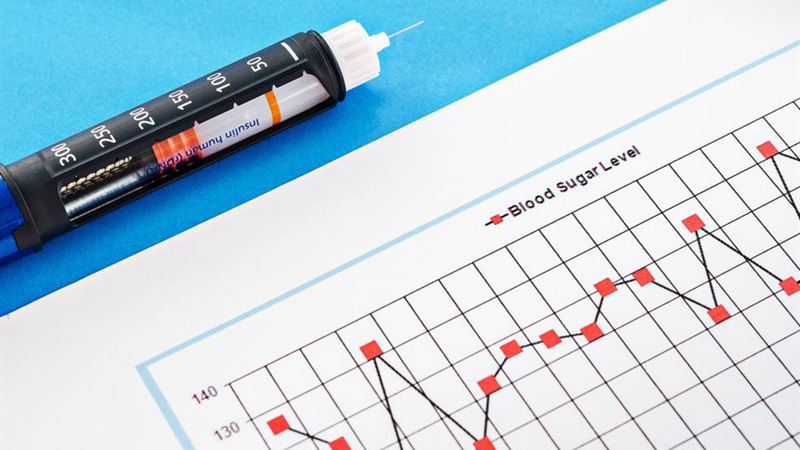
Maintaining optimal blood sugar levels is crucial for overall health and well-being. A blood sugar levels chart offers a visual representation of your glucose fluctuations over time, providing valuable insights into how your body responds to various factors. Whether you're managing diabetes or aiming to prevent the onset of the disease, understanding how to interpret and utilize this chart is fundamental.
- Monitoring blood glucose through a chart is an essential component of diabetes management. Keeping track helps you evaluate whether your current approach to treatment—be it dietary changes, physical activity, or medication—is effective.
- By regularly recording your readings, you can detect patterns that might indicate the need for adjustments in your routine or treatment plan.
- This practice also enables early detection of abnormal blood sugar levels, which can prevent serious complications like hypoglycemia or hyperglycemia.
Several factors influence blood sugar levels, which can be reflected on your chart. Illness, stress, medication changes, and lifestyle habits can all cause fluctuations. Recognizing these patterns helps you better understand your body's responses and informs discussions with your healthcare provider.
If you are on medication, especially insulin, maintaining a detailed record of your blood sugar readings can reveal how well your medication regimen is working. It also guides dosage adjustments, ensuring your glucose levels stay within target ranges and reducing the risk of side effects.
Additionally, the chart indicates critical points of high and low blood sugar levels, alerting you to seek prompt medical attention if necessary. It offers a comprehensive overview for both patients and doctors to tailor treatment strategies effectively.
Optimal Timing for Blood Sugar Testing:
The timing of glucose testing is often directed by your healthcare provider and varies based on the type of diabetes you have.
For individuals with Type I diabetes, frequent testing is necessary, often recommended four to eight times daily. This typically includes testing before meals, after meals, before and after exercise, and before bedtime. During illness or when experiencing symptoms of uncontrolled blood sugar, more frequent testing may be required. These readings are crucial for creating an accurate blood sugar levels chart that reflects your daily fluctuations.
People with Type II diabetes might have less intensive testing routines, often driven by whether they are on insulin or oral medications. Testing is usually recommended two or more times daily, generally before meals and at bedtime to assess the effects of prescribed medicines and insulin doses. If managing the condition with oral medications alone, your doctor may advise less frequent testing, but the importance of regular monitoring remains.
Factors Influencing Your Blood Sugar Levels Chart:
- Age
- Type and duration of diabetes
- Pregnancy status
- Presence of any diabetes-related complications
- Overall health and any other existing medical conditions
For most adults with diabetes, the ideal blood sugar range is generally between 80 and 120 mg/dL for those under 60 years of age, with no other health issues. For individuals over 60 or those suffering from additional conditions such as cardiovascular, renal, or pulmonary diseases, the target tends to be slightly higher, around 100-140 mg/dL. These ranges help minimize complications and optimize health outcomes.
Maintaining these levels requires regular testing using a portable blood glucose meter, a small electronic device that provides quick and accurate readings from a tiny blood sample.
How to Test Blood Sugar:
The process involves pricking your fingertip with a sterile lancet to obtain a small blood sample, which is then placed onto a test strip inserted into the blood glucose meter. The device instantly analyzes the sample, displaying your current blood sugar level.
Although initially intimidating, modern glucose meters are designed for user-friendliness, allowing patients to conduct tests confidently at home without professional assistance. Beginners should seek guidance from healthcare providers to ensure proper technique and reliable results.
Every test result should be diligently recorded. Key details to log include:
- Date and time of testing
- Test result in mg/dL
- Medication taken (if any)
- Recent meals and dietary habits
- Physical activity level
- Any symptoms experienced or notable conditions at the time of testing
This comprehensive record helps create an accurate blood sugar levels chart, which is invaluable for ongoing management and consultation with your healthcare provider. Consistent monitoring and proper documentation are essential components of effective diabetes control and prevention strategies.