
Understanding the Crucial Differences Between LDL and HDL Cholesterol and Their Impact on Heart Health
Learn the vital differences between LDL and HDL cholesterol, their ideal levels, and how maintaining a healthy balance can prevent heart disease. Discover lifestyle tips and dietary recommendations to support optimal heart health and reduce risks associated with high cholesterol levels.
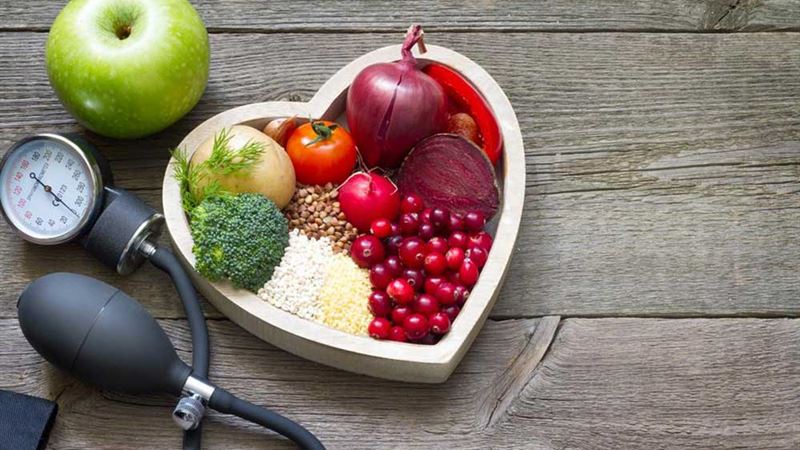
Cholesterol plays an essential role in maintaining our body's cellular functions, hormone production, and vitamin D synthesis. However, not all cholesterol is created equal. Two primary types, Low-Density Lipoprotein (LDL) and High-Density Lipoprotein (HDL), have contrasting effects on cardiovascular health. LDL is often labeled as 'bad' cholesterol because excess amounts tend to accumulate in the walls of your arteries, forming plaques that narrow and stiffen blood vessels, increasing the risk of heart attacks and strokes. Conversely, HDL is regarded as 'good' cholesterol because it helps remove excess cholesterol from the bloodstream, transporting it back to the liver for excretion. Recognizing the differences between these two types and understanding their optimal levels can significantly influence your overall health and help prevent serious cardiovascular diseases.
Maintaining a healthy balance of LDL and HDL cholesterol is vital. Typically, elevated LDL levels are associated with an increased likelihood of developing atherosclerosis, whereas higher HDL levels offer protective benefits against heart disease. Establishing target ranges for these fats through regular blood testing enables proactive health management. An **LDL cholesterol level** below 100 mg/dL is considered optimal, while levels from 100 to 129 mg/dL are marginally elevated but acceptable for some individuals. Readings between 130 and 159 mg/dL are borderline high, signaling the need for lifestyle adjustments. Levels from 160 to 189 mg/dL are high, and anything above 190 mg/dL is classified as very high, warranting medical intervention.
HDL levels are equally important. An HDL cholesterol level below 40 mg/dL signifies a significant risk factor for cardiovascular problems. Ideally, individuals should aim for HDL levels of 40-59 mg/dL; higher levels are better, with 60 mg/dL or above providing a protective effect against heart disease. Achieving and maintaining these target levels involves a combination of dietary choices, physical activity, and managing other health conditions like hypertension and diabetes.
Both LDL and HDL are necessary for healthy bodily functions. The concern arises when LDL levels are too high or HDL levels are too low, leading to cholesterol buildup in the blood vessels. This buildup can cause blockages, reducing blood flow and potentially resulting in heart attacks, strokes, or peripheral artery disease. To mitigate these risks, adopting a heart-healthy lifestyle is crucial. Focus on enriching your diet with fruits, vegetables, whole grains, nuts, and healthy fats while limiting intake of red meats, processed foods, and saturated fats. Regular exercise, avoiding smoking, and controlling weight can further promote optimal cholesterol levels.
Understanding your cholesterol profile is the first step toward cardiovascular health. Routine checkups, a balanced diet, physical activity, and, when necessary, medications prescribed by healthcare providers can help keep your cholesterol in a safe range. Elevating HDL levels naturally can be achieved through aerobic exercises like walking, cycling, or swimming. Meanwhile, reducing LDL can be supported by dietary adjustments and medications if prescribed. By taking charge of your cholesterol levels today, you can significantly reduce your risk of developing heart-related ailments tomorrow, leading to longer, healthier life.