
Comprehensive Guide to Increasing Your Good Cholesterol (HDL) Levels for Better Heart Health
Learn how to naturally increase your HDL cholesterol levels through diet, exercise, and lifestyle changes. This comprehensive guide offers practical tips on adopting heart-healthy habits, including the use of olive oil, purple produce, quitting smoking, and engaging in regular physical activity. Raising your HDL enhances cardiovascular health, reduces inflammation, and prevents heart disease. Implementing these proven strategies can help improve your cholesterol profile and promote long-term wellness. Discover effective approaches tailored for a healthier heart today.
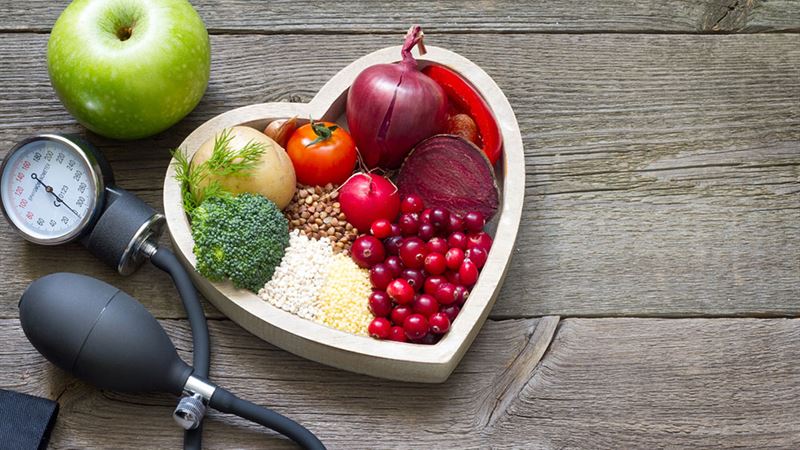
Adopt a Heart-Healthy, Low-Carbohydrate or Ketogenic Diet
A diet low in carbohydrates or ketogenic in nature offers many benefits, including improved blood sugar control and weight management. These diets tend to lower blood sugar levels and can assist in shedding excess pounds, which is directly linked to increased HDL cholesterol levels.
To effectively boost your “good” cholesterol, focus on maintaining a stable, healthy weight. Reducing body fat can significantly influence HDL levels positively. Alongside weight management, dietary choices play a vital role. Emphasize foods rich in healthy fats, especially monounsaturated and polyunsaturated fats, found in nuts, seeds, oily fish, and plant oils. Incorporate fatty fish such as salmon, mackerel, and sardines into your meals, as they are excellent sources of omega-3 fatty acids that support HDL elevation.
Controlling portion sizes and avoiding overeating are essential components of this dietary approach, especially for individuals with metabolic syndrome, diabetes, or obesity. Small, frequent meals emphasizing nutrient-dense foods can aid in sustaining healthy cholesterol levels. This dietary pattern encourages the consumption of vegetables, nuts, and healthy oils, contributing to overall cardiovascular health.
Emphasize the Use of Extra Virgin Olive Oil
Olive oil, particularly extra virgin varieties, is renowned for its health benefits, especially its high content of monounsaturated fats. Including olive oil in your daily diet can markedly improve your HDL cholesterol levels and reduce LDL cholesterol. Medical research highlights that olive oil is rich in polyphenols—powerful antioxidants that combat oxidative stress, inflammation, and damage to blood vessel walls.
For optimal benefits, choose fresh, cold-pressed olive oil over processed or refined options. Its antioxidant capacity enhances the functionality of HDL cholesterol, boosting its ability to prevent atherosclerosis. Incorporate a tablespoon or two of olive oil into your salads, vegetables, or as a finishing touch on cooked dishes to maximize its effects.
Engage in Regular Physical Activity
Exercise plays a pivotal role in maintaining and increasing HDL cholesterol. Regular physical activity—particularly aerobic exercises such as walking, running, cycling, and swimming—has been shown time and again to elevate HDL levels and improve cardiovascular health.
High-intensity workouts, including High-Intensity Circuit Training (HICT) and High-Intensity Interval Training (HIIT), are especially effective in boosting HDL levels. These types of exercises induce greater metabolic activity, leading to an increase in HDL and improvement in overall lipid profile. Even moderate exercise routines performed consistently, a few times weekly, can lead to significant improvements in HDL concentration and functionality.
While high-intensity workouts yield the best results, incorporating low- to moderate-intensity physical activity also contributes positively, especially for beginners or those with health limitations. The key is consistency. Regularly engaging in physical activity not only raises HDL but also enhances its anti-inflammatory and antioxidant functions, which are essential for protecting your heart.
Quit Smoking and Reduce Tobacco Use
Smoking cessation is one of the most impactful lifestyle changes you can make to improve your cholesterol profile. Nicotine and other chemicals in cigarettes have been shown to decrease HDL levels while simultaneously increasing the risk of atherosclerosis, heart attack, and lung disease.
Studies consistently demonstrate that individuals who quit smoking experience increases in HDL cholesterol. Even if HDL levels do not immediately rise, the functional quality of HDL improves, enhancing its ability to carry out its protective roles. Quitting smoking also reduces systemic inflammation and oxidative stress, further protecting your cardiovascular health.
Consume Purple Foods Rich in Anthocyanins
Including purple-colored fruits and vegetables in your diet is an effective strategy to elevate HDL cholesterol naturally. These foods are abundant in anthocyanins, potent antioxidants that combat cellular damage and inflammation. They also support increased HDL functionality.
Examples of nutrient-rich purple produce include blueberries, blackberries, eggplants, purple cabbage, black raspberries, and purple corn. Regular consumption of these foods can help improve your lipid profile, reduce oxidative stress, and bolster your overall heart health.
Additional Tips and Lifestyle Hacks for Optimizing HDL Levels
Beyond diet and exercise, here are some supplementary strategies to support healthy HDL levels:
- Incorporate coconut oil occasionally into your meals, as it contains medium-chain triglycerides that may aid lipid metabolism.
- Include fatty fish in your diet regularly to provide Omega-3 fatty acids, which are powerful HDL boosters.
- Avoid artificial trans fats found in processed and fried foods, as these fats increase inflammation and can suppress HDL levels.