
Understanding the Key Differences Between Deodorants and Antiperspirants: Choosing the Right Solution for Freshness and Comfort
Discover the essential differences between deodorants and antiperspirants to choose the right product for your lifestyle. Learn how each works, their ingredients, and benefits to maintain freshness and personal hygiene confidently. This comprehensive guide helps you understand what to look for and how to select the best product tailored to your needs, whether for active days, cool indoor environments, or sensitive skin considerations.
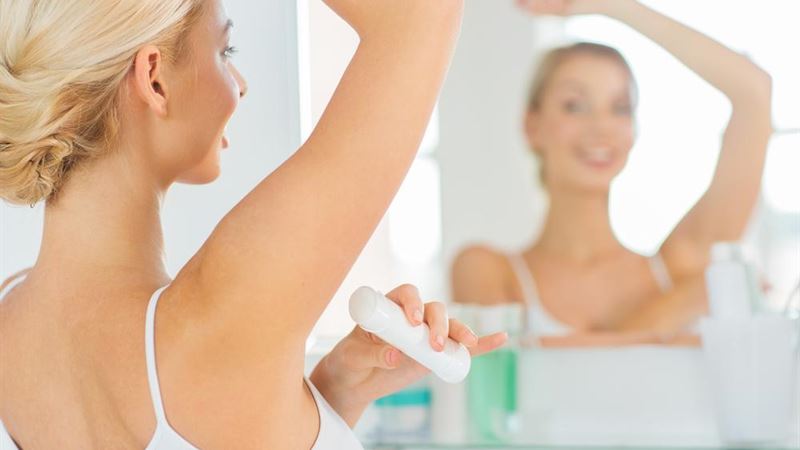
Maintaining personal hygiene and staying fresh throughout the day is a common goal shared by many. Often, the products used to achieve this, namely deodorants and antiperspirants, are misunderstood or used interchangeably without appreciating their distinct functions. Contrary to popular belief, sweat itself doesn't have a smell. The unpleasant odor is actually the result of bacteria breaking down sweat on your skin. Therefore, understanding how deodorants and antiperspirants work can help you select the right product tailored to your needs, whether for daily wear, active lifestyles, or special occasions.
Clarifying Myths About Sweat and Body Odor
Many people think that sweating directly causes body odor, but this isn't entirely accurate. Sweat produced by the body is, in general, odorless. The smell develops when the sweat interacts with bacteria residing on our skin, particularly in areas like the armpits. These bacteria metabolize the sweat, producing odorous compounds, which results in unpleasant smells. To manage body odor effectively, products can focus either on reducing sweat production or on neutralizing bacteria, or sometimes both.
How Antiperspirants Function
Antiperspirants primarily aim to reduce the amount of sweat secreted by sweat glands. These products are commonly formulated as gels, powders, or semi-liquid sprays, designed to be applied directly to areas with high sweat levels, such as the armpits. The active ingredients in most effective antiperspirants include aluminum-based compounds like aluminum chloride or zirconium compounds, which temporarily block sweat ducts. Consequently, less sweat reaches the skin surface, helping to keep the underarms dry and reducing the environment for bacteria to thrive. This not only minimizes odor but also helps manage excessive sweating conditions, such as hyperhidrosis.
Ingredients in Antiperspirants
The most reputable antiperspirants contain aluminum compounds that effectively plug sweat ducts, thus inhibiting sweat excretion. Some products combine these active ingredients with antibacterial agents that help reduce bacterial populations on the skin. This dual approach enhances odor control, especially for individuals who experience heavy sweating or need long-lasting freshness. However, it's worth noting that aluminum compounds in antiperspirants have been subjects of ongoing research regarding potential health implications, including breast cancer risk, although conclusive evidence is still lacking. For sensitive skin, hypoallergenic options are available that minimize irritation.
How Deodorants Work
Deodorants focus on masking or neutralizing body odor rather than reducing sweat itself. Typically available as sprays, sticks, or gels, deodorants contain antimicrobial agents that kill or inhibit the growth of odor-causing bacteria. They also include fragrances that provide a fresh scent, effectively covering up any residual smell from sweat. Unlike antiperspirants, deodorants do not affect the volume of sweat produced; instead, they create an environment that discourages bacterial activity. This makes deodorants ideal for individuals with normal sweating but who want to maintain a pleasant scent throughout the day.
Choosing Between Deodorant and Antiperspirant
The decision to use a deodorant or an antiperspirant depends largely on lifestyle and personal preferences. For individuals engaged in physically demanding activities like sports, outdoor work, or working out in the gym, antiperspirants are more effective because they control excessive sweating. Reducing sweat not only helps keep you dry but also prevents bacterial growth that leads to odor. Conversely, if you tend to experience moderate sweating, especially in cooler indoor environments, deodorants might suffice, providing freshness and odor control without interfering with the body's natural sweat processes.
Concerns regarding aluminum exposure have been voiced by some health advocates, citing studies that suggest a possible link between aluminum compounds in antiperspirants and certain health conditions such as breast cancer. Although research remains inconclusive, individuals with concerns should consider using natural or aluminum-free products. For daytime, indoor environments, deodorants are a safe and effective choice, whereas antiperspirants may be preferable for active lifestyles requiring maximum sweat management.
Leading Brands and Product Choices
Today’s market offers a wide variety of high-quality antiperspirants and deodorants tailored to different needs. For men, brands like MenScience Advanced Deodorant, Gillette Clinical Strength, and Jack Black Pit Boss are popular choices known for their effectiveness and long-lasting protection. Women can choose from options like Secret Clinical Strength in Smooth Solid, Degree's Summer Strength, and other carefully formulated products designed for sensitive skin or specific scent preferences. When selecting a product, consider factors such as skin sensitivity, odor control duration, and active ingredients to find the most suitable option for your lifestyle.
It is advisable to explore different brands and read labels carefully to ensure the product matches your personal requirements. Natural alternatives that are free from aluminum and synthetic fragrances are also available, catering to health-conscious consumers seeking safer personal care options. Remember, the key is to find a product that provides comfort, confidence, and aligns with your health considerations, lifestyle, and personal preferences.
In summary, understanding the fundamental differences between deodorants and antiperspirants empowers you to make informed choices. Whether you prioritize reducing sweat, controlling odor, or both, the right product can make a significant difference in your daily hygiene routine, helping you feel fresh and confident all day long.