
Comprehensive Strategies for Effective Management of Body Odor
This comprehensive guide explores effective strategies to manage body odor, covering basic hygiene techniques, advanced medical treatments, and surgical options for severe cases. Learn how to control sweat production and bacterial activity to maintain freshness and confidence in everyday life.
Body odor is a common concern that affects many individuals worldwide. It is often misunderstood that sweat itself is responsible for unpleasant smells; in reality, sweat is naturally odorless. The distinctive smell arises from bacteria on the skin breaking down sweat, particularly when bacteria metabolize keratin, a protein present on the skin's surface. This bacterial activity produces malodorous compounds that cause body odor. Understanding the physiological basis of body odor is essential to managing and controlling it effectively.
Approaches to Controlling Sweat Production
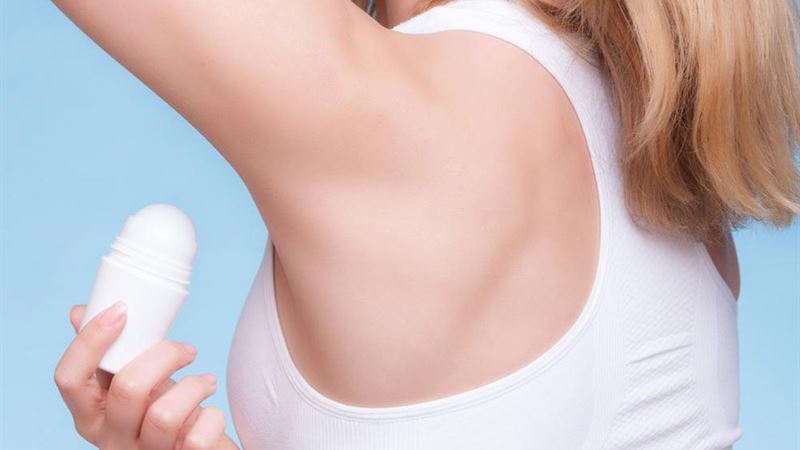
- Physical Measures: There are primarily two physical methods to manage excessive sweating and its associated odors. The first involves the use of antiperspirants, which contain aluminum-based compounds that temporarily block sweat gland ducts, reducing perspiration. The second approach is to mask body odor with fragrances or scent-masking agents, which can be found in many deodorant products. Modern formulations often combine both functions, incorporating antibacterial agents into deodorants to combat the bacteria responsible for odor.
- Targeting Common Problem Areas: The armpits are typically the most prominent site for body odor due to their high concentration of sweat glands. However, other areas such as the groin, around the anal region, upper thighs, and feet also tend to accumulate sweat and bacteria, resulting in unpleasant odors. Regular cleansing and the use of antibacterial soaps can greatly reduce bacterial buildup in these regions.
Advanced Treatments for Severe Cases
- Medical Interventions: For individuals suffering from severe persistent body odor, more advanced treatments are available. These include iontophoresis, Botox injections, microwave therapy, and laser treatments. Iontophoresis involves passing a gentle electrical current through the affected area submerged in tap water, which helps to reduce sweating. This method is painless and typically requires multiple sessions spaced a week apart. Microwave therapy involves using targeted microwave radiation to heat and destroy sweat glands, providing a more permanent solution. Laser treatments work similarly by selectively destroying sweat glands with laser energy, often performed in outpatient settings.
- Surgical Options: In extreme cases, surgical procedures may be necessary. One common surgical intervention involves severing the sympathetic nerves responsible for stimulating sweat glands, thereby reducing sweating in specific areas. Another surgical option is the excision of sweat glands themselves to decrease their activity. These procedures are typically reserved for patients who have not responded to less invasive methods and are performed by specialists under local anesthesia.
- Botox Injections: The U.S. Food and Drug Administration (FDA) has approved Botox injections specifically for underarm hyperhidrosis. The procedure involves administering multiple small injections with a fine needle into 20-25 predetermined spots in the armpits. Botox works by blocking the nerves that stimulate sweating, providing relief that can last for 12 to 14 months. Although the injections can be painful, the use of fine needles minimizes discomfort. Patients often find this treatment effective for managing severe, localized sweating.
Maintaining good hygiene, utilizing appropriate antiperspirants, and seeking medical consultation for persistent issues are key to managing body odor effectively. Combining personal hygiene practices with advanced medical interventions ensures that individuals can confidently control and reduce unpleasant odors in daily life.