
Factors Influencing the Price of Hearing Assistive Devices
Discover the key factors affecting hearing aid prices, including style, technology, and purchasing options. Learn how to find devices that balance affordability with quality by consulting professionals, understanding insurance coverage, and choosing the right features. This comprehensive guide helps you make informed decisions, ensuring you get the best value for your investment in hearing health.
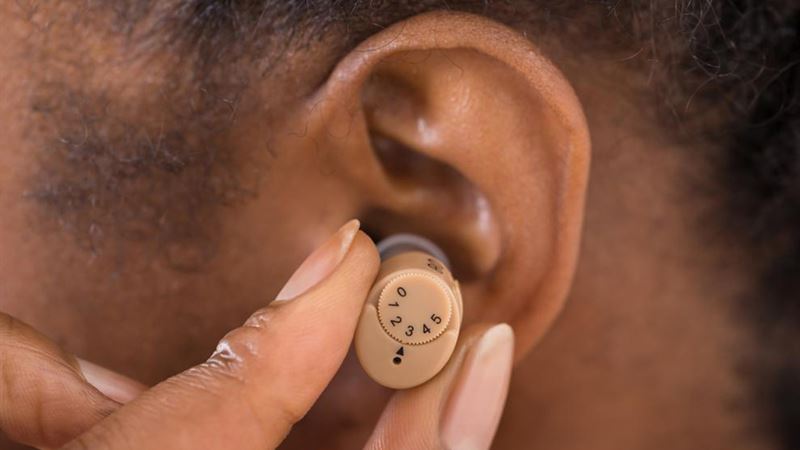
Type and Design of Hearing Aids
Hearing aids come in several styles, each with its unique price point, based on complexity, size, and placement. Common options include behind-the-ear (BTE), in-the-ear (ITE), in-the-canal (ITC), and completely-in-the-canal (CIC) designs. Generally, the more discreet and miniature the device, the higher the cost tends to be. For example, CIC models, which sit deep inside the ear canal, often demand more sophisticated manufacturing and technology, thus costing more than traditional BTE models.
Choosing between these styles depends on lifestyle preferences, hearing loss severity, and budget considerations. BTE devices are often more durable and easier to modify, typically making them more affordable, while smaller options such as CIC emphasize aesthetic appeal and discretion but come with a higher price tag.
Technological Features and Advanced Capabilities
The technological sophistication embedded in modern digital hearing aids significantly influences their pricing. Cutting-edge features such as Bluetooth connectivity, wireless streaming, adaptive noise reduction, directional microphones, sophisticated digital signal processing, and enhanced memory functions make these devices more user-friendly but also more expensive.
Devices with basic features cater to individuals with mild hearing difficulties, serving fundamental hearing enhancement needs at lower costs. Conversely, users seeking comprehensive sound processing, customization, and connectivity options should anticipate higher prices owing to the advanced hardware and software required.
Making Cost-Effective Choices for Hearing Aids
Understanding how to optimize value when purchasing hearing aids can save significant money. The right choice varies from person to person, depending on specific needs, lifestyle, and financial factors. It’s essential to research and compare options to find the best balance between cost and functionality.
•Insurance and Funding Options: Check whether your health insurance plan covers any part of the hearing aid expenses. Many plans do not provide coverage, but some may offer partial reimbursement, reducing your out-of-pocket costs. Contact your insurance provider to clarify what benefits are available and how to access them.
•Consultation with Licensed Audiologists: A professional audiologist can assess your hearing loss severity and recommend suitable devices aligned with your lifestyle needs and budget. They can advise whether high-end features are necessary for your case or if a more basic, cost-efficient device would suffice. Tailoring your choice prevents overspending on unnecessary features while ensuring you receive the appropriate level of amplification.
•Shopping Location and Retailers: The place where you purchase your hearing aids greatly impacts the overall price. While big-box stores or online suppliers often offer competitive prices, specialized audiology clinics might include services such as detailed hearing assessments, personalized fittings, warranty coverage, and ongoing support, which can add to the cost but improve the device's longevity and performance.
To maximize savings, compare prices from different vendors, including online options and local clinics. Don't forget to consider additional costs like consultation fees, routine maintenance, repairs, and follow-up visits when budgeting for your hearing aids.