
Comprehensive Guide to Electric Vehicle Pricing and Benefits in Germany
Explore a comprehensive guide to electric vehicle pricing, incentives, and ownership costs in Germany. Discover the best models across different segments, learn about government subsidies, and understand the long-term financial benefits of switching to electric cars in Germany's thriving EV market.
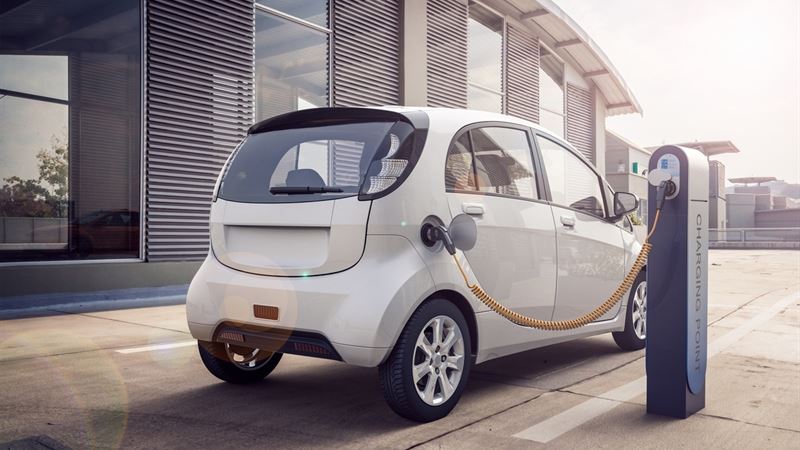
The Price Range of Electric Vehicles in Germany
The cost of purchasing an electric vehicle in Germany varies significantly depending on the specific model, features, and market positioning—be it budget, mid-range, or luxury. Examining these categories offers insight into what consumers can expect to spend and the value proposition of each.
Affordable Entry-Level Electric Models
Volkswagen ID.3 — Approximate starting price: €30,000
The Volkswagen ID.3 stands as a flagship for accessible electric mobility. Designed to appeal to the broad mass market, the ID.3 combines a reasonable price point with innovative technology and a respectable driving range. Its features include efficient battery performance, user-friendly interface, and the backing of Volkswagen's extensive service network. This vehicle serves as an excellent first-time EV that balances affordability with modern amenities, making it a popular choice amongst new EV adopters in Germany.
Renault Zoe — Approximate price: €27,000
The Renault Zoe is celebrated for its compact size and excellent maneuverability, particularly suited for urban environments. Its appeal stems from its affordability, low operating costs, and practical features tailored to city drivers. The Zoe offers a decent driving range, quick charging capabilities, and a relatively low entry price, making it one of the best-selling electric vehicles in European metropolitan areas, including Germany.
Mid-Range Electric Vehicles
Tesla Model 3 — Starting around €45,000
The Tesla Model 3 has become a benchmark in the mid-range EV segment, acclaimed for its impressive range, advanced autopilot and driver-assist features, and exceptional performance metrics. Its sleek design pairs with a technology-focused interior, providing a premium driving experience. Buyers benefit from Tesla's extensive charging network and over-the-air software updates, enhancing vehicle longevity and functionality. As a popular choice for tech-savvy consumers, the Model 3 balances affordability with luxury features, making it a top contender in Germany’s burgeoning EV market.
Hyundai Kona Electric — Starting at €35,000
The Hyundai Kona Electric is a versatile, practical vehicle that combines solid range, reliable performance, and comfortable ride quality. Its compact SUV design appeals to urban and suburban drivers seeking a blend of style and efficiency. With modern safety features, decent charging times, and competitive pricing, the Kona Electric has gained popularity as an all-purpose electric vehicle suitable for various driving needs, from daily commutes to weekend adventures.
High-End, Luxury Electric Cars
Audi e-Tron — Starting at €70,000
The Audi e-Tron epitomizes luxury and performance in the electric vehicle realm. It offers cutting-edge technology, a spacious and opulent interior, and impressive driving dynamics. With a focus on safety features and premium design, the e-Tron is aimed at consumers seeking sophistication and high performance. Its advanced battery systems and fast-charging capabilities ensure it meets the expectations of high-end buyers who prioritize comfort, style, and innovation.
Mercedes-Benz EQC — Priced around €68,000
The Mercedes-Benz EQC is a statement of the brand’s transition into the electric era. Combining luxury, comfort, and technological prowess, the EQC offers an exceptional driving experience with the latest in infotainment and driver assistance. Its elegant design and high-quality materials reflect Mercedes-Benz’s long-standing tradition of automotive excellence, appealing to those who desire a prestigious electric vehicle with all the comforts associated with the Mercedes-Benz nameplate.
Incentives and Financial Support from the German Government
Germany has established a comprehensive framework to promote electric mobility, primarily through financial incentives and tax rebates. The German government’s main initiative, the Environmental Bonus (Umweltbonus), substantially reduces the purchase costs for consumers interested in EVs. Here’s a detailed overview of current incentives:
Pure electric vehicles (Battery Electric Vehicles or BEVs) are eligible for subsidies up to €9,000.
Plug-in hybrid electric vehicles (PHEVs) may qualify for incentives up to €6,750.
These grants are typically shared equally between the government and vehicle manufacturers, resulting in significant discounts at the point of sale. Additionally, electric vehicle owners benefit from lower tax rates, especially for company cars, making EVs even more attractive economically. These incentives are part of Germany’s broader strategy to phase out internal combustion engines and accelerate the adoption of sustainable transportation solutions.
Evaluating Total Cost of Ownership (TCO)
Beyond initial purchase price, understanding the full financial picture—known as the total cost of ownership—is essential when considering an electric vehicle. TCO includes several critical factors:
Charging Expenses
The cost to recharge an EV in Germany largely depends on electricity pricing, the type of charging infrastructure utilized, and the efficiency of the vehicle. On average, residential electricity rates hover around €0.30 per kWh, which makes charging at home more economical compared to gasoline or diesel-powered cars. Public charging stations can be more expensive, but they offer the convenience of rapid charging, which is vital for long-distance travel and quick top-ups.
Maintenance and Servicing Costs
Electric vehicles generally incur lower maintenance expenses due to simpler mechanical systems—fewer moving parts mean fewer repairs. Routine maintenance tasks such as tire rotations, brake system inspections, and battery health assessments are the primary ongoing costs. Battery longevity and performance also influence maintenance costs, with advancements in battery technology contributing to longer-lasting and more reliable EVs.
Insurance Premiums
Insurance rates for EVs may be slightly higher or comparable to traditional vehicles, depending on factors such as vehicle value, safety features, and repair costs. However, many insurers offer discounts for electric cars because they pose less risk of certain types of accidents and help reduce environmental impact, which appeals to sustainable-conscious consumers and fleet operators.
Depreciation and Resale Value
Depreciation remains a concern for early EV adopters. While electric cars tend to depreciate faster initially, market acceptance is improving, and technological progress, especially in battery technology, is helping stabilize resale values. As the public and industry increase their confidence in EV longevity and reliability, depreciation rates are expected to decrease, making EVs a more financially sound investment over time.
Germany’s rapidly expanding electric vehicle market, bolstered by aggressive government incentives, makes now an opportune time for consumers to switch to EVs. From affordable entry models to luxury electric SUVs, the options cater to diverse needs and preferences. Considering the total cost of ownership—factoring in charging, maintenance, insurance, and depreciation—further underscores the financial viability of electric vehicles. When combined with significant government savings, EVs present not only an environmentally friendly choice but also a smart financial decision for consumers in Germany.
In conclusion, investing in an electric vehicle in Germany offers multiple benefits—from reducing carbon footprints to enjoying financial incentives and lower operating costs. As the market continues to evolve, the variety, technology, and support infrastructure will only improve, making EV ownership more accessible, economical, and sustainable in the long run. Embracing electric mobility today is a proactive step towards a greener future and a more cost-efficient transportation solution.