Discover the ultimate guide to retractable awnings, including types, benefits, installation tips, and maintenance. Learn how these versatile outdoor coverings can enhance your space, protect from weather, and save energy. Perfect for homeowners and businesses seeking customizable shading solutions that combine practicality with style.
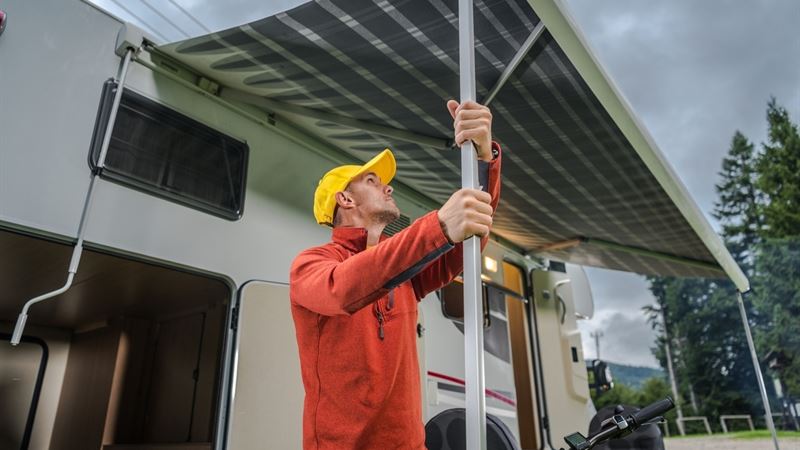
Retractable awnings stand out as one of the most adaptable solutions for outdoor shading and protection, offering an optimal blend of practicality and aesthetic appeal. Unlike fixed awnings, these versatile coverings can be extended or retracted based on weather conditions or user preferences, providing customizable outdoor comfort. With a broad array of shapes, sizes, and materials, retractable awnings suit various settings—including residential backyards, commercial patios, and recreational parks—making them a popular choice for both homeowners and business owners seeking to improve their outdoor experience.
Understanding Different Types of Retractable Awnings
Primarily, there are two main categories of retractable awnings: manual and motorized. Each type offers distinct advantages and suits different needs and budgets.
Manual Retractable Awnings: These models operate via a hand crank or a pull cord mechanism. They tend to be more economical and simpler in design, making them suitable for small-scale or budget-conscious projects. Manual systems require physical effort to deploy and retract, which might be less convenient but allows for precise control, especially in areas where automation isn't desirable or feasible.
Motorized Retractable Awnings: These systems are powered by an electric motor, allowing for effortless operation at the push of a button or via remote control. Many modern motorized awnings come equipped with smart features such as weather sensors, which automatically retract the awning during high wind or rain, offering increased convenience and protection. They are highly favored for their ease of use, especially in large or hard-to-reach spaces, and can integrate seamlessly with home automation systems for a fully connected outdoor environment.
Advantages of Motorized Awnings are numerous, including enhanced user convenience and added functionalities. They easily adapt to changing weather conditions, providing protection without manual effort. This automation makes them perfect for busy lifestyles and commercial establishments that require quick adjustments throughout the day.
Advantages of Using Retractable Awnings
Protection From the Elements
One of the key benefits of retractable awnings is their ability to shield outdoor spaces from harmful UV rays, fierce sunlight, and light rain. By extending the awning, users can create a shaded, cool area that minimizes sun exposure, helping prevent skin damage and preserving outdoor furniture and decor from fading. During unexpected rain showers, retractable awnings provide an added layer of protection, allowing outdoor activities to carry on without interruption, especially on patios, decks, or balconies.
Augmentation of Outdoor Living Spaces
Retractable awnings are excellent tools for increasing the usability and comfort of outdoor areas. They can transform a simple patio or balcony into a cozy, shaded retreat where family and friends can gather, dine, or relax without the harsh sun or wind interference. For commercial venues like cafes and restaurants, these awnings effectively extend seating capacity and create inviting outdoor dining areas, enhancing customer satisfaction and outdoor ambiance.
Energy Reduction and Cost Savings
An often-overlooked benefit of retractable awnings is their role in reducing indoor energy consumption. By blocking sunlight from entering through windows, they help keep interiors cooler during hot months, reducing the load on air conditioning systems and lowering utility bills. Conversely, in colder months, retracting the awning allows more sunlight to enter, naturally warming indoor spaces and decreasing heating costs.
Key Aspects of Installation and Upkeep
Proper installation is critical in maximizing the effectiveness and longevity of retractable awnings. Selecting the right location, size, and quality components ensures optimal coverage and operational reliability. Professional installation is often recommended for securing the awning correctly and avoiding future issues.
Steps for Successful Installation
Measuring the Installation Area: Accurate measurements guarantee the awning will adequately cover the intended space without overextending or falling short.
Choosing an Appropriate Mounting Surface: Wall, roof, and soffit mounts are common options, but the support structure must be sturdy enough to handle the weight and operational stresses.
Selecting the Correct Hardware: Use high-quality brackets, bolts, and anchors to ensure a secure attachment that can withstand weather conditions. Maintenance Tips for Longevity
Regular upkeep extends the lifespan and maintains aesthetic appeal of your retractable awning:
- Routine Cleaning:
Remove dirt and debris using mild soap and water. Avoid harsh chemicals that could degrade fabric materials.
- Inspecting Mechanical Components:
Periodically check arms, joints, and motors for signs of wear or damage. Lubricate moving parts for smooth operation.
- Weather Precautions:
Retract awnings during storms, heavy winds, or snow to prevent damage. Modern models often come with automatic sensors that facilitate this process.
Choosing the Perfect Retractable Awning
Material and Durability Considerations
The fabric material determines the durability, weather resistance, and visual appeal of your awning. Popular fabric options include:
- Acrylic: Resistant to fading, mildew, and UV damage, acrylic fabrics are breathable—allowing air to circulate and keep shaded areas cooler.
- Vinyl: Waterproof and cost-effective, vinyl fabrics excel in rainy climates but can trap heat, making them less suitable for hot, humid environments.
Design and Style Choices
Matching your awning to your property's aesthetic enhances curb appeal. Retractable awnings come in a variety of styles, including traditional, contemporary, and custom designs. When selecting a design, consider:
- Colors and Patterns: Choose hues and patterns that complement existing outdoor décor and architecture.
- Valance Styles: The decorative edge can be tailored to enhance visual appeal, offering a more personalized look.
Additional Features for Enhanced Functionality
Modern retractable awnings often include a suite of advanced features for added convenience:
- Wind and Sun Sensors: Automatically retract during strong winds or intense sunlight to protect the awning and maintain safety.
- Remote Control and Smart Integration: Control your awning remotely or connect it with smart home ecosystems for automated operation, scheduling, and monitoring.
In conclusion, retractable awnings are a versatile addition to any outdoor space. With options tailored to various preferences—manual or motorized, acrylic or vinyl, traditional or contemporary—they deliver shade, protection, and aesthetic enhancement. Proper installation and routine maintenance are essential for ensuring durability and optimal performance. Whether for residential comfort or commercial appeal, retractable awnings offer a practical and stylish solution to maximize outdoor usability while reducing energy costs and enhancing overall outdoor living experiences.
