
Comprehensive Guide to Common Allergies: Identifying Symptoms and Triggers
This comprehensive guide explores ten common allergies, their symptoms, and triggers. From food and pet dander to mold and insect bites, learn how to identify allergic reactions and implement effective management strategies. Proper awareness and prevention can significantly improve the quality of life for allergy sufferers, helping them navigate daily challenges with confidence and safety.
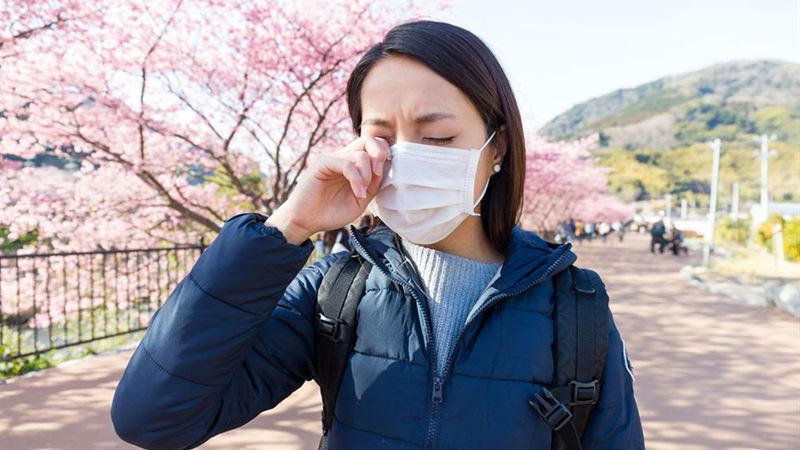
Allergic reactions are an immune system response to substances that are typically harmless to most people. These substances, known as allergens, can trigger a wide range of symptoms depending on the individual and the type of allergy. Recognizing the common symptoms and understanding the various allergens are crucial steps towards better management and treatment. In this extensive guide, we delve into ten prevalent allergies, their signs, and how to avoid potential triggers to maintain health and well-being.
Understanding allergy symptoms is the first step in effective management. These symptoms may manifest immediately or take time to appear after exposure. The mild reactions can include sneezing, a runny nose, itching, and watery eyes, but more severe reactions may lead to breathing difficulties, hives, or even life-threatening anaphylaxis. Proper identification of allergens and prompt response can greatly improve quality of life for allergy sufferers.
1. Food Allergies: Common Culprits and Warning Signs
Food allergies are among the most common allergic reactions globally. Specific foods such as cow's milk, eggs, tree nuts, peanuts, shellfish, wheat, and soy are frequent offenders. These allergies can cause a variety of symptoms, ranging from mild discomfort to severe life-threatening reactions. Typical signs include hives, swelling of the lips and face, nausea, vomiting, abdominal pain, wheezing, and in extreme cases, anaphylactic shock.
It is vital for individuals with food allergies to read food labels meticulously and avoid cross-contamination. In some cases, an emergency epinephrine auto-injector may be prescribed to manage severe allergic episodes. Early diagnosis through allergy testing and proper dietary management are key to preventing reactions and maintaining a safe lifestyle.
2. Animal Dander: Allergic Responses to Pet Proteins
Many people develop allergies to the proteins found in pet saliva, dander, and urine. These tiny particles become airborne when animals shed skin flakes or when grooming occurs. Symptoms often include sneezing, nasal congestion, itchy eyes, coughing, and sometimes skin rashes. Chronic exposure can lead to asthma-like symptoms, causing difficulty in breathing and chest tightness.
Effective management involves keeping pets out of bedrooms, using HEPA air filters, and regularly cleaning living spaces. Some individuals may consider allergy treatments such as antihistamines or immunotherapy to reduce sensitivity. Understanding pet allergy triggers can help create a comfortable environment for both pet owners and allergic individuals.
3. Medication Allergies: Recognizing Adverse Reactions
Medications, particularly antibiotics, anticonvulsants, and chemotherapeutic agents, can provoke allergic responses in some individuals. Symptoms range from mild skin rashes and itching to more severe signs like swelling, difficulty breathing, dizziness, or anaphylactic shock. Reactions can occur within minutes or hours after drug intake, emphasizing the importance of informing healthcare providers about known allergies.
If an allergic reaction occurs, immediate discontinuation of the medication and emergency medical attention are essential. In some cases, a skin allergy test can identify problematic drugs, helping patients and doctors to avoid future adverse responses. Proper documentation and medical alert bracelets can assist in emergency situations, ensuring swift intervention.
4. Latex Allergies: Reactions to Natural Rubber Products
Latex is a common material used in gloves, balloons, and other household items. For individuals with latex allergy, contact can cause symptoms such as itchiness, skin rashes, hives, and sneezing. Severe reactions may include swelling of the throat or difficulty breathing, requiring urgent medical care.
Managing latex allergies involves avoiding latex-containing products and opting for latex-free alternatives. Healthcare providers often recommend allergy testing to confirm sensitivity. Awareness and careful selection of materials can greatly reduce the risk of accidental exposure in daily life.
5. Fragrance Sensitivities: Allergic Reactions to Artificial Scents
Many beauty, cleaning, and household products contain artificial fragrances that can trigger allergic reactions. Symptoms include headaches, dizziness, nausea, skin rashes, and respiratory discomfort. Individuals with fragrance sensitivities should read product labels carefully and choose unscented or hypoallergenic options whenever possible.
Developing an allergy management plan includes minimizing exposure and using air purifiers. Medical treatments such as antihistamines or nasal sprays can alleviate symptoms. Awareness of fragrance ingredients helps consumers make safer choices and avoid unnecessary health issues.
6. Insect Bites: Allergic Responses to Venom
Insect bites from wasps, bees, mosquitoes, and other insects can cause painful reactions. For hypersensitive individuals, venom injection can lead to swelling, redness, hives, nausea, dizziness, and in worst cases, anaphylaxis. Recognizable signs involve rapid swelling at the bite site and systemic symptoms if bitten by venomous insects.
Preventive measures include wearing protective clothing, avoiding scented products, and staying away from insect habitats. If bitten, prompt use of antihistamines and epinephrine injections can be life-saving. Carrying an emergency kit when outdoors is highly recommended for allergy sufferers.
7. Mold Allergies: Inhaling Spores and Reaction Symptoms
Molds thrive in damp, humid environments and release spores into the air. Inhaling these particles can provoke allergy symptoms such as coughing, wheezing, nasal congestion, itchy eyes, and asthma-like episodes. Mold growth is common in basements, bathrooms, and areas affected by water damage.
Control measures include reducing humidity levels, improving ventilation, and removing mold from surfaces. Individuals with mold allergies should consider wearing masks and using air purifiers. Early detection and removal of mold infestations are vital for health and comfort.
8. Dust Mites: The Hidden Allergens in Cluttered Spaces
Dust mites are microscopic creatures that live in household dust, especially in bedding, upholstery, and carpets. Their residues often cause allergic reactions characterized by sneezing, nasal congestion, itchy or watery eyes, and sore throat. Prolonged exposure can exacerbate asthma symptoms in sensitive individuals.
To reduce dust mite allergies, frequent washing of bedding, use of allergen-proof covers, and maintaining low humidity levels are effective strategies. Regular cleaning and vacuuming with HEPA filters also significantly decrease dust mite populations. Creating a dust-free environment greatly benefits allergy sufferers.
9. Cockroach Allergens: Proteins Causing Respiratory Issues
Cockroaches are common household pests whose saliva, droppings, and shed body parts contain potent allergens. Exposure can trigger symptoms such as nasal congestion, sneezing, cough, wheezing, ear or sinus infections, and nausea. For asthmatic individuals, cockroach allergens can worsen respiratory problems.
Controlling cockroach populations through proper sanitation, sealing entry points, and using bait traps is essential. Regular cleaning and reducing clutter decrease hiding spots. In severe cases, medical treatment and allergen immunotherapy may be recommended to improve symptoms and quality of life.
Conclusion: Managing Allergies Effectively
Awareness of common allergens and their symptoms is critical for effective management. Accurate diagnosis through allergy testing, lifestyle adjustments, environmental controls, and medical treatments can greatly reduce symptom severity and improve life quality. By understanding triggers and implementing preventive strategies, allergy sufferers can lead healthier, more comfortable lives without constant worry about allergic reactions.
Consulting healthcare professionals for personalized management plans and staying informed about new developments in allergy treatments can empower individuals to take control of their health and well-being.