
Comprehensive Guide to Understanding and Managing Children's Allergies
This comprehensive guide offers extensive insights into children's allergies, covering common triggers, symptoms, genetic factors, and management strategies. It emphasizes early diagnosis, environmental control, dietary adjustments, and medical treatments, ensuring parents and caregivers can effectively protect and care for allergic children. Recognizing symptoms early and working with healthcare providers can help children lead healthier, more comfortable lives, free from the burdens of allergies.
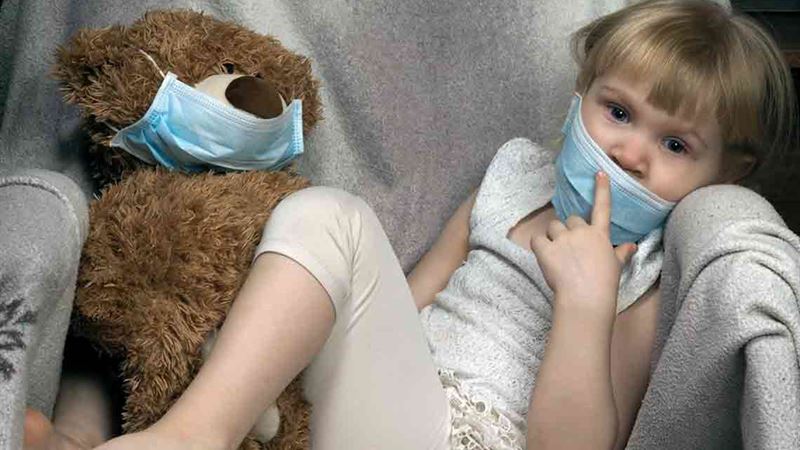
Children's allergies can significantly impact their health, development, and daily life. As a parent or caregiver, it is crucial to recognize the signs, understand the common triggers, and take appropriate measures to prevent and manage allergic reactions. Allergies in children are diverse, stemming from environmental factors, genetics, or specific food items, and require careful attention and early intervention for effective treatment. Awareness and preventive steps can greatly reduce discomfort and health risks associated with allergies in kids.
Understanding the root causes of allergies in children is the first step toward effective management. Allergic reactions occur when the immune system overreacts to substances that are typically harmless to most people. These substances, called allergens, can be found in the environment, food, or household products. Recognizing familial history is equally important, as genetics play a vital role in the likelihood of a child developing allergies. If allergies are common on either parent’s side, the child’s risk significantly increases, emphasizing the need for early vigilance.
Several environmental factors contribute to allergies in children. These include insect stings, pollen from trees and flowers, dust particles, pet dander, and mold spores. Many of these allergens can be minimized through household adjustments, like regular cleaning, using HEPA filters, and maintaining proper ventilation. Additionally, avoiding exposure to known triggers such as specific plants or pests during peak seasons can prevent allergy flare-ups. It is essential for parents to monitor outdoor activities and educate children about avoiding allergens such as contact with certain plants or insects.
Household allergens are another major concern. Pet fur, dander, and dust mites tend to accumulate in carpets, bedding, stuffed animals, and curtains, creating an ongoing source of allergens. Regular vacuuming, washing bedding in hot water, and choosing allergen-resistant bedding materials help reduce these factors. Moreover, controlling indoor humidity levels prevents mold growth, another common allergen. Households with pets should consult allergists about strategies to minimize pet dander, such as grooming practices and designated pet-free zones in the home.
Other environmental elements also influence children's allergies. Exposure to cigarette smoke, perfumes, strong cleaning agents, and exhaust fumes can exacerbate allergic reactions or trigger new sensitivities. Cutting down on these irritants at home and in vehicles, along with encouraging children to avoid smoky areas, plays an important role in allergy prevention. Furthermore, these irritants can worsen respiratory conditions, so creating a clean and smoke-free environment is crucial.
Food allergies constitute a significant portion of allergic reactions in children. Common culprits include milk, eggs, peanuts, tree nuts, wheat, soy, fish, and shellfish. For infants and breastfeeding mothers, dietary adjustments may be necessary if the baby shows signs of allergies such as rashes, vomiting, diarrhea, or difficulty breathing. Proper diagnosis through allergy testing is essential to identify specific food triggers, enabling parents to remove these foods from the child's diet. Over time, many children outgrow allergies to milk, eggs, wheat, and soy, but some, such as peanut allergies, can persist for life.
In managing food allergies, it is vital to read labels carefully, prepare safe meals, and educate children about avoiding allergenic foods. Emergency action plans, including the availability of allergy medicines and epinephrine auto-injectors, can save lives during severe reactions. Consulting an allergist or pediatrician to develop individualized management plans ensures children receive appropriate treatment. Schools and daycare centers should be informed of any food allergies to prevent accidental exposure during mealtimes.
Common allergic conditions seen in children include hay fever (allergic rhinitis), nasal congestion, ear infections, and food allergies. Hay fever is widespread and affects many children during seasonal changes. Its symptoms—runny nose, sneezing, itchy and watery eyes, nasal congestion, and congestion—can be alleviated with antihistamines such as cetirizine, loratadine, or fexofenadine. These medications are safe for children and available over the counter. For persistent or severe cases, doctors may recommend nasal sprays or allergy shots.
Nasal congestion or stuffy noses are frequent, especially during allergy seasons. Children experiencing chronic congestion may have difficulty sleeping, breathe through their mouths, and experience fatigue, which can hinder growth and development. Early diagnosis and treatment are essential to prevent long-term complications affecting facial structure, dental alignment, and speech. Saline nasal sprays, antihistamines, or prescribed decongestants can help alleviate symptoms.
Ear infections are often linked to allergies, as fluid buildup in the middle ear can cause discomfort and hearing problems. Allergic-induced inflammation and mucus production increase the risk of ear infections, which, if left untreated, may impact speech development and overall hearing ability. Pediatricians may recommend antibiotics or allergy medications to reduce inflammation and fluid accumulation, thereby preventing recurrent infections.
Food allergies require careful management. If your child develops skin rashes, digestive issues, or breathing difficulties, it is crucial to seek medical evaluation to confirm the allergy. Once diagnosed, eliminating the offending foods and implementing emergency protocols is crucial. In some cases, allergy immunotherapy might be suggested to build tolerance over time. Parents should work closely with healthcare professionals to ensure their child's safety and health, especially in social settings such as schools.
Medications like antihistamines—cetirizine (Zyrtec), diphenhydramine (Benadryl), and loratadine (Alavert)—are effective and commonly used for managing allergy symptoms in children. Additionally, leukotriene receptor antagonists like montelukast (Singulair) are prescribed to prevent asthma attacks and control allergy symptoms such as sneezing, itching, and watery eyes. These medications should always be used under medical supervision to avoid side effects and ensure proper dosing.
Genetics play a significant role in allergy susceptibility. If either parent or close family members have allergies—be it food, environmental, or skin allergies—the child's chances of developing similar conditions rise. Understanding this inheritance pattern helps in early screening and implementing preventive measures. Genetic predisposition underscores the importance of regular allergy testing for at-risk children, enabling timely intervention and reducing the risk of complications such as asthma or chronic respiratory issues.
Early allergy testing involves skin prick tests or blood tests, which help identify specific allergens. Detecting sensitivities early allows parents and doctors to develop effective management strategies, reducing the severity and frequency of reactions. This proactive approach is especially important because some allergies can lead to severe or even life-threatening reactions, including anaphylaxis. vaccinations, environmental modifications, and medication can all be part of a comprehensive allergy management plan.
It is equally important to communicate with educational institutions about your child's allergies. Schools are increasingly aware and prepared to handle allergy-related emergencies. Informing teachers and staff about specific allergies ensures they can prevent exposure and respond promptly if an allergic reaction occurs. For children with food allergies, providing allergy action plans, safe snacks, and emergency medications is critical, especially during school lunch hours. Creating a safe educational environment helps children thrive without fear of allergic reactions.