
Comprehensive Guide to Recognizing and Preventing Pneumonia
This comprehensive article offers detailed insights into pneumonia, covering its common symptoms, risk factors, effective treatments, and prevention strategies. Early detection and proactive care are emphasized to prevent serious complications. Learn how vaccinations, hygiene practices, and lifestyle changes can significantly reduce your risk of developing pneumonia and ensure quicker recovery if infected.
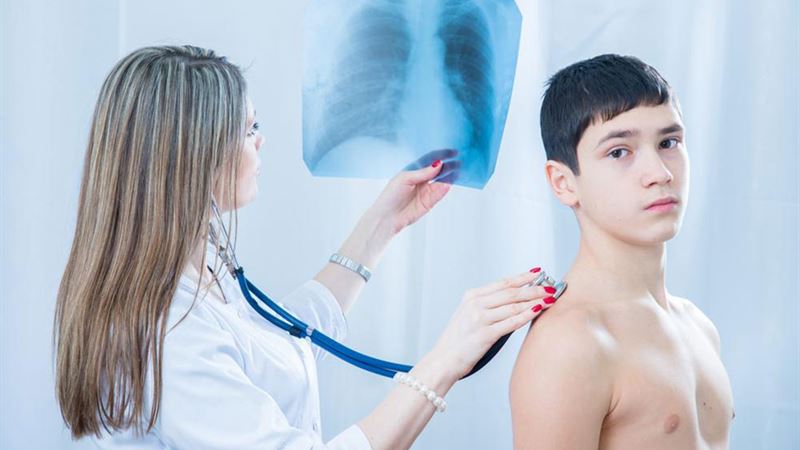
Pneumonia is a serious respiratory condition that affects millions worldwide, characterized by inflammation of the lungs caused by infections from bacteria, viruses, or fungi. Recognizing its symptoms early and understanding effective prevention strategies are crucial in managing this disease and avoiding severe complications. This detailed guide provides insights into common signs, risk factors, treatment options, and preventive measures to keep you and your loved ones safe and healthy.
**Key Symptoms of Pneumonia**
Understanding the symptoms associated with pneumonia is vital for early detection and prompt treatment. While symptoms may vary depending on the causative pathogen and the patient's age, several signs are commonly observed across cases:
Understanding the symptoms associated with pneumonia is vital for early detection and prompt treatment. While symptoms may vary depending on the causative pathogen and the patient's age, several signs are commonly observed across cases:
- Persistent and often worsening cough, sometimes producing phlegm
- High fever that can reach 105°F in bacterial pneumonia, accompanied by chills
- Production of yellow or green mucus due to infection
- Presence of bloody mucus indicating severe lung involvement
- Difficulty in breathing or shortness of breath, especially during exertion
- Sharp, stabbing chest pain that worsens with breathing or coughing
- Headaches and general body malaise
- Profuse sweating and drenching night sweats
- Severe fatigue and feeling of exhaustion
- Loss of appetite leading to weight loss
- Reduced energy levels affecting daily activities
Infants afflicted with pneumonia often appear unusually lethargic, displaying a dull demeanor and little interest in feeding. Elderly individuals may experience confusion, disorientation, or mental fog, signifying advanced infection or complications.
**Understanding the Causes and Variations in Symptoms**
The symptoms of pneumonia can differ based on the pathogen responsible. Bacterial pneumonia typically presents with a sudden onset of high fever, chills, and productive cough containing pus or blood. Viral pneumonia symptoms tend to resemble those of the flu, with milder fever, dry cough, body aches, and fatigue.
In some cases, pneumonia may manifest subtly, especially in older adults or immunocompromised individuals, making diagnosis more challenging.
The symptoms of pneumonia can differ based on the pathogen responsible. Bacterial pneumonia typically presents with a sudden onset of high fever, chills, and productive cough containing pus or blood. Viral pneumonia symptoms tend to resemble those of the flu, with milder fever, dry cough, body aches, and fatigue.
In some cases, pneumonia may manifest subtly, especially in older adults or immunocompromised individuals, making diagnosis more challenging.
**Health Risks and Complications**
Untreated pneumonia can rapidly escalate into severe health issues including respiratory failure, sepsis, or lung abscesses. Vulnerable populations such as infants, the elderly, and individuals with compromised immune systems are at higher risk for these complications. Recognizing early warning signs and seeking medical attention promptly can significantly reduce the risk of severe outcomes.
Untreated pneumonia can rapidly escalate into severe health issues including respiratory failure, sepsis, or lung abscesses. Vulnerable populations such as infants, the elderly, and individuals with compromised immune systems are at higher risk for these complications. Recognizing early warning signs and seeking medical attention promptly can significantly reduce the risk of severe outcomes.
**Effective Treatment Strategies**
Appropriate therapy depends on the pneumonia type and severity. Most bacterial cases respond well to targeted antibiotics taken over a duration spanning from three to eight weeks. Hospitalization may be necessary if complications arise or if the patient has difficulty breathing, requires intravenous antibiotics, or has coexisting health conditions.
Appropriate therapy depends on the pneumonia type and severity. Most bacterial cases respond well to targeted antibiotics taken over a duration spanning from three to eight weeks. Hospitalization may be necessary if complications arise or if the patient has difficulty breathing, requires intravenous antibiotics, or has coexisting health conditions.
In addition to medications, supportive care plays a vital role in recovery. Patients should rest adequately, stay well-hydrated, and avoid strenuous activities until fully recovered. For viral pneumonia, antiviral medications may be prescribed, although many cases resolve with rest and symptomatic treatment.
**Prevention Measures to Reduce Risk**
Preventing pneumonia involves a combination of vaccinations, lifestyle modifications, and hygiene practices:
Air pollution control, avoiding close contact with infected individuals, and maintaining a healthy weight further contribute to reducing pneumonia risk. It’s also essential to seek prompt medical care if symptoms develop, especially in high-risk groups.
**Summary**Preventing pneumonia involves a combination of vaccinations, lifestyle modifications, and hygiene practices:
- Get vaccinated against bacterial pneumonia (pneumococcal vaccine) and influenza annually, especially if you are over 65 or have underlying health issues
- Practice good hygiene by washing hands thoroughly with soap and water before meals and after social interactions
- Avoid smoking, as tobacco damages lung tissues and impairs immune defenses against respiratory infections
- Maintain a balanced diet rich in fruits, vegetables, and essential nutrients to bolster immune function
- Engage in regular physical activity to improve overall lung health and immune resilience
- Manage chronic health conditions such as asthma, diabetes, or heart disease effectively to prevent secondary infections
Air pollution control, avoiding close contact with infected individuals, and maintaining a healthy weight further contribute to reducing pneumonia risk. It’s also essential to seek prompt medical care if symptoms develop, especially in high-risk groups.
Understanding the signs of pneumonia and knowing how to prevent it is crucial for safeguarding your health. Early recognition, appropriate medical treatment, and proactive preventive measures can significantly reduce the likelihood of severe illness and complications. Stay informed, practice good hygiene, and keep up with vaccinations to protect yourself and your loved ones from this potentially life-threatening disease.