
Comprehensive Guide to Pneumococcal Pneumonia: Causes, Symptoms, and Prevention
This comprehensive guide covers the causes, transmission, symptoms, diagnosis, and prevention of pneumococcal pneumonia. It emphasizes the importance of vaccination, early treatment, and lifestyle adjustments to mitigate risks and complications associated with this serious bacterial infection. Suitable for healthcare providers and the general public, it provides detailed insights into managing and preventing pneumococcal pneumonia effectively.
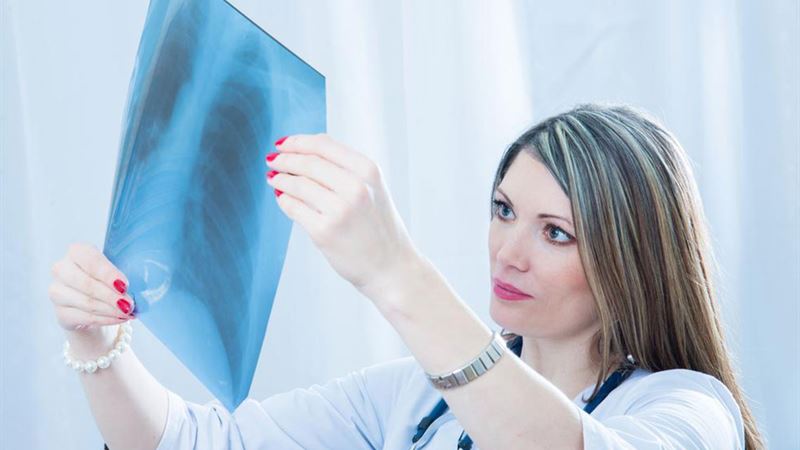
Pneumococcal pneumonia is a serious lung infection primarily caused by the bacterium Streptococcus pneumoniae. This infectious disease can affect individuals of all ages but poses particular risks to vulnerable populations such as young children, the elderly, and those with compromised immune systems. Understanding its transmission, symptoms, diagnosis, treatment options, preventative measures, and potential complications is essential for managing and reducing its impact on health.
Understanding Pneumococcal Pneumonia
Pneumococcal pneumonia is an acute bacterial infection that inflames the air sacs in one or both lungs, leading to symptoms like cough, fever, and difficulty breathing. It is one of the most common types of bacterial pneumonia worldwide and contributes significantly to global morbidity and mortality rates.
Caused primarily by Streptococcus pneumoniae, this pathogen is frequently carried harmlessly in the throat and nasal passages of healthy individuals. However, it can become invasive under certain conditions, invading lung tissue and causing severe illness. The bacteria can also enter the bloodstream, leading to bloodstream infections and other serious complications.
Modes of Transmission
The spread of pneumococcal bacteria occurs mainly through respiratory droplets expelled when an infected person coughs, sneezes, or talks. These droplets can infect nearby individuals, especially in crowded or enclosed environments. Children are often carriers of Streptococcus pneumoniae, frequently harboring the bacteria in their throats without displaying symptoms, which makes them a common source of transmission within households and communities.
Close contact with infected individuals increases the risk of infection, particularly among those with weakened immune defenses, chronic illnesses, or other predisposing health conditions. People in nursing homes, hospitals, and childcare centers are at elevated risk due to the high concentration of susceptible individuals.
Recognizing Symptoms of Pneumococcal Pneumonia
The initial onset of pneumococcal pneumonia is typically abrupt, with symptoms intensifying rapidly. Classic signs include:
- Severe chills and high fever
- Persistent cough producing sputum, sometimes bloody
- Shortness of breath and rapid breathing
- Chest pain that worsens with coughing or deep breaths
Additional symptoms can include weakness, fatigue, nausea, vomiting, headache, and confusion, especially in older adults. Recognizing these symptoms early is crucial for prompt diagnosis and treatment to prevent severe complications.
Diagnostic Processes and Tests
Healthcare providers diagnose pneumococcal pneumonia based on a combination of physical examination, medical history, and diagnostic tests. Key methods include:
- Physical assessment of lung sounds, observing for crackles or abnormal breathing patterns
- Chest X-rays to visualize lung inflammation and consolidation
- Laboratory tests on blood, sputum, or other body fluids to detect Streptococcus pneumoniae
- Blood cultures to identify bacteria circulating in the bloodstream
Advanced diagnostics like antigen detection or PCR tests may also be employed for confirmation, particularly in complex cases or where antibiotic resistance is suspected.
Effective Treatment Strategies
The primary treatment for pneumococcal pneumonia involves the administration of targeted antibiotics. The choice of medication depends on local antibiotic resistance patterns and individual patient factors. Typical antibiotics include:
- Penicillins
- Cephalosporins
- Macrolides
- Respiratory fluoroquinolones
Most patients experience symptom relief within 24 to 36 hours of starting appropriate therapy, and complete recovery usually occurs with timely intervention. Supportive care such as rest, hydration, and fever management is also vital.
However, increasing antibiotic resistance among Streptococcus pneumoniae strains necessitates careful selection and prudent use of antibiotics. In some cases, hospitalization may be required, especially for severe infections or complications.
Home Remedies and Lifestyle Measures
While medical treatment remains essential, certain home remedies can support recovery and bolster immunity against future infections:
- Turmeric: Known for its anti-inflammatory and antimicrobial properties, turmeric can be incorporated into meals or consumed as a tea to support immune health and reduce inflammation.
- Basil: A natural remedy with medicinal benefits, basil leaves can be used in teas or juices. Adding black pepper can enhance its therapeutic effects.
- Dietary Adjustments: Reducing intake of processed and animal proteins may lessen lung stress and inflammation. Emphasizing vegetables like cauliflower, peas, and eggplants enriches diet with antioxidants and essential nutrients that strengthen immune defenses.
Alongside these measures, maintaining good hygiene practices, avoiding smoking, and ensuring adequate sleep can aid in preventing pneumonia episodes.
Prevention: Vaccination and Other Measures
Prevention remains the most effective strategy against pneumococcal pneumonia. Vaccination programs have significantly reduced the incidence worldwide and are recommended for:
- Children under 5 years old
- Adults aged 65 and above
- Individuals with chronic health conditions such as heart disease, lung disease, diabetes, or compromised immunity due to HIV/AIDS, cancer, or organ transplants
Available vaccines include the pneumococcal conjugate vaccine (PCV13) and pneumococcal polysaccharide vaccine (PPSV23). Administering these vaccines greatly reduces the risk of infection and subsequent complications.
Additional preventive measures involve practicing good hand hygiene, avoiding close contact with infected individuals, and maintaining overall health through proper nutrition and lifestyle choices.
Potential Complications and Risks
If not diagnosed and treated promptly, pneumococcal pneumonia can lead to serious health issues, including:
- Bacteremia: Bacteria invading the bloodstream, which can cause sepsis—a life-threatening condition
- Empyema: Pus accumulation in the pleural cavity surrounding the lungs
- Lung abscesses or necrosis
- Respiratory failure requiring intensive care
- Heart problems such as myocarditis or pericarditis
In vulnerable populations, untreated infection can result in increased mortality rates. Hence, timely medical intervention is essential.
Conclusion: Protect Yourself Against Pneumococcal Disease
Pneumococcal pneumonia remains a significant public health concern, but through awareness, vaccination, and early treatment, its impact can be minimized. Individuals should pay attention to early symptoms and seek medical attention without delay. Combining effective medical therapies with healthy lifestyle habits and preventive vaccinations offers the best defense against this potentially severe disease. Keeping informed and proactive about health measures is the key to reducing the burden of pneumococcal infections worldwide.