
Understanding Squamous Cell Carcinoma: Symptoms, Causes, and Prevention
This comprehensive article provides an in-depth exploration of squamous cell carcinoma, highlighting its symptoms, causes, risk factors, preventive strategies, and treatment options. Early detection is vital, and understanding the warning signs can lead to timely medical intervention, improving prognosis and outcomes. Learn how UV exposure, environmental hazards, and lifestyle choices influence risk, and discover effective measures to reduce your chances of developing this common skin cancer.
Comprehensive Guide to Recognizing and Understanding Squamous Cell Carcinoma
Squamous cell carcinoma (SCC) is a common type of skin cancer originating from squamous cells, which are flat cells located in the outermost layer of the skin. While it is often treatable when detected early, awareness about its symptoms, causes, and preventive measures is crucial for effective management. In this detailed article, we will explore in depth the various signs that indicate SCC, the underlying causes, risk factors, and steps you can take to minimize your risk of developing this condition.
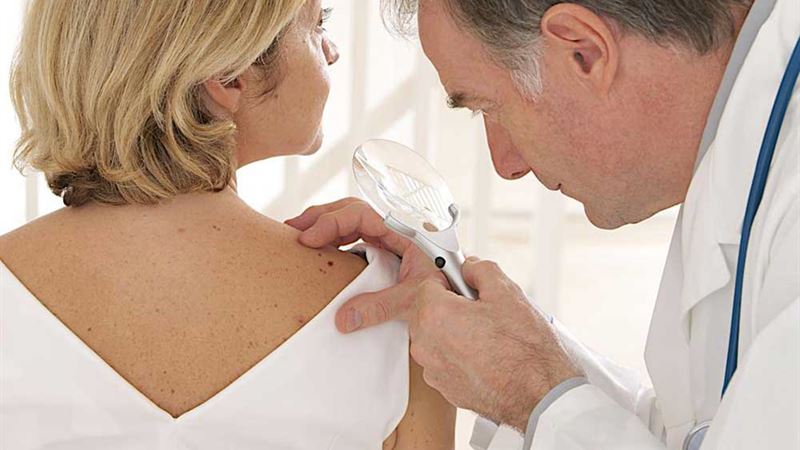
Recognizing the Symptoms of Squamous Cell Carcinoma
Early detection of SCC significantly improves treatment outcomes. Certain visual cues and physical sensations can point to the presence of squamous cell carcinoma. Be vigilant if you notice any of the following symptoms:
- Persistent Red Nodules: A firm, raised bump that remains on the skin for more than two weeks. These nodules are often fleshy or scaly and may be tender or painful.
- Ulcerative or Scaly Patches: Areas of skin that are flat, rough, and scaly, resembling patches of eczema or psoriasis but that do not heal over time. Such patches can sometimes develop a crust or bleed.
- New or Recurring Sores: Especially those that do not heal within a few weeks, or sores that return in the same location after healing. These may appear as open wounds or ulcers.
- Lesions on Old Scars or Ulcers: Raised or persistent changes in previously injured or scarred skin. Such lesions may evolve into more pronounced tumors.
- Oral Lesions: Rough, red patches or open sores inside the mouth, lips, or tongue that persist and cause discomfort or bleeding.
Understanding the Causes and Risk Factors
Squamous cell carcinoma primarily develops due to genetic mutations within squamous cells, often triggered by external and internal factors. Here, we delve into the main causes and risk factors associated with SCC:
Genetic Mutations
Under normal circumstances, skin cells undergo a regulated process of growth and death. Genetic errors can cause cells to grow uncontrollably, forming tumors. These mutations can be inherited or acquired due to environmental exposures.
Ultraviolet (UV) Radiation
The leading cause of SCC is exposure to UV radiation from sunlight or artificial sources like tanning beds. UV rays can damage the DNA in skin cells, leading to mutations that promote cancer development. People who spend extensive time outdoors without protection are at higher risk.
Environmental and Occupational Exposures
Exposure to carcinogenic substances such as arsenic, certain chemicals, and industrial pollutants can increase risks. Occupations involving frequent contact with such substances or prolonged sunlight exposure are particularly vulnerable.
Pre-existing Skin Conditions
Chronic wounds, scars, or inflammatory skin conditions such as psoriasis or dermatitis can predispose individuals to SCC, especially if these areas are exposed to UV radiation or other irritants.
Immunosuppression
People with weakened immune systems, such as organ transplant recipients or those with HIV/AIDS, are more susceptible to developing SCC since their body's ability to detect and destroy abnormal cells is compromised.
Other Factors
- Older age—risk increases with age due to cumulative sun exposure and cellular aging.
- Fair skin with light hair and eye color—less melanin offers less protection from UV rays.
- History of frequent sunburns or excessive tanning.
- History of previous skin cancers, increasing vulnerability.
Preventive Measures and Risk Reduction
Preventing squamous cell carcinoma involves proactive steps to minimize exposure to known risk factors:
- Sun Protection: Use broad-spectrum sunscreens SPF 30 or higher, wear protective clothing, hats, and sunglasses when outdoors.
- Avoid Tanning Beds: Artificial tanning increases UV exposure and skin damage, significantly elevating cancer risk.
- Regular Skin Examinations: Perform self-checks monthly to identify any new, changing, or unusual skin lesions. Schedule annual professional skin assessments, especially for high-risk individuals.
- Manage Skin Conditions: Seek prompt treatment for chronic skin wounds or scars.
- Avoid Carcinogens: Minimize exposure to hazardous chemicals at work or home, especially arsenic and industrial toxins.
- Boost Immune Health: Maintain a healthy lifestyle with proper nutrition, exercise, and avoiding immunosuppressive medications unless prescribed.
Diagnosis and Treatment Strategies
If you notice any suspicious skin changes or lesions, prompt consultation with a healthcare professional is essential. Diagnosis typically involves:
- Physical examination
- Biopsy of the affected skin tissue
- Imaging tests if the cancer appears to have spread
Treatment options for SCC depend on the size, location, and extent of the cancer:
- Surgical Removal: The most common method, including excision and Mohs micrographic surgery, where cancerous tissue is carefully removed layer by layer.
- Radiation Therapy: Used when surgery isn't feasible or as an adjunct to surgery.
- Cryotherapy: Freezing and destroying the cancer cells.
- Topical Medications: Such as 5-fluorouracil or imiquimod creams for superficial lesions.
- Targeted Therapy and Chemotherapy: Considered in advanced or metastatic cases.
The Importance of Early Intervention
Early detection and treatment of SCC significantly increase chances of complete recovery and decrease the risk of metastasis. Moreover, lifestyle changes and consistent skin checks can greatly reduce future risks.
In conclusion, understanding the symptoms, causes, and preventive measures related to squamous cell carcinoma empowers individuals to take proactive steps towards skin health. If any suspicious skin changes are noticed, consulting a healthcare professional promptly can make a significant difference in outcomes. Remember, while this form of skin cancer is generally curable when caught early, neglecting symptoms can lead to serious complications.