
Essential Dietary Precautions for Managing Bipolar Disorder Effectively
This comprehensive article provides essential dietary guidelines for individuals with bipolar disorder. It highlights the impacts of sugar, salt, alcohol, caffeine, and unhealthy fats on medication effectiveness and mood stability. Practical tips include choosing healthier alternatives and consulting healthcare providers before making dietary changes. Proper nutrition can significantly enhance treatment outcomes, reduce mood swings, and promote overall health, making it a vital part of bipolar disorder management.
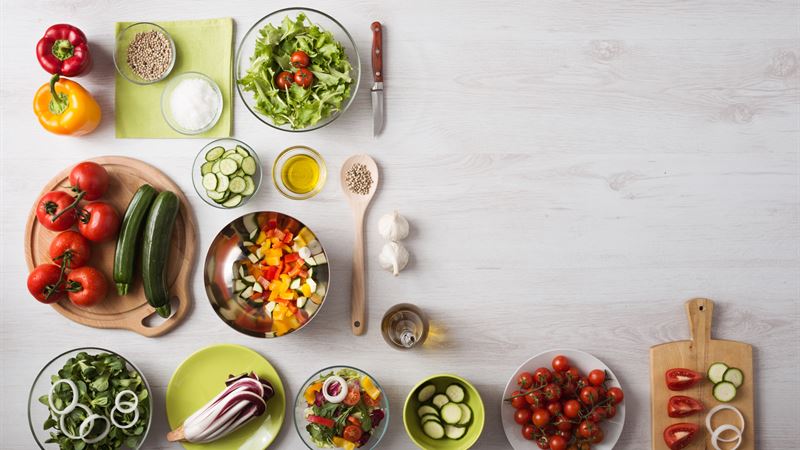
Maintaining a balanced diet plays a crucial role in managing bipolar disorder symptoms. An incorrect diet can interfere with medication effectiveness and exacerbate mood swings. It’s essential to understand which foods to limit or avoid to ensure that treatment progresses smoothly. Incorporating nutrient-rich alternatives can help stabilize mood and improve overall well-being. Recognizing the impact of various dietary components—such as sugar, salt, alcohol, caffeine, and unhealthy fats—is vital for creating a supportive nutritional plan. Below are detailed dietary guidelines that can aid individuals with bipolar disorder in achieving better health outcomes.
Sugar and Sugary Foods
The consumption of foods high in refined sugars can destabilize blood sugar levels, making mood management more challenging. An excess of sugar in the diet can contribute to weight gain, insulin resistance, and fatigue, all of which can negatively influence bipolar disorder management. Moreover, high-sugar foods can impair medication effectiveness, especially for those on mood stabilizers, by contributing to metabolic disturbances.
Instead of sugary snacks and desserts, opt for fresh seasonal fruits to satisfy your sweet cravings naturally. Incorporate healthier dessert alternatives like frozen yogurt, fruit smoothies, and flavored ice pops, which provide essential nutrients without the adverse effects of refined sugars. Keeping a balanced intake of natural sugars helps maintain stable glucose levels, aiding in mood stabilization and overall health.
The consumption of foods high in refined sugars can destabilize blood sugar levels, making mood management more challenging. An excess of sugar in the diet can contribute to weight gain, insulin resistance, and fatigue, all of which can negatively influence bipolar disorder management. Moreover, high-sugar foods can impair medication effectiveness, especially for those on mood stabilizers, by contributing to metabolic disturbances.
Instead of sugary snacks and desserts, opt for fresh seasonal fruits to satisfy your sweet cravings naturally. Incorporate healthier dessert alternatives like frozen yogurt, fruit smoothies, and flavored ice pops, which provide essential nutrients without the adverse effects of refined sugars. Keeping a balanced intake of natural sugars helps maintain stable glucose levels, aiding in mood stabilization and overall health.
Salt Intake and Lithium Balance
Salt plays a significant role in regulating lithium levels in individuals undergoing treatment for bipolar disorder. Lithium, a common mood stabilizer, interacts directly with sodium ions, and fluctuations in salt consumption can alter lithium concentrations in the bloodstream. An abrupt increase or decrease in salt intake can lead to either toxicity or sub-therapeutic levels, causing worsening symptoms.
It is imperative to moderate salt intake carefully and maintain consistency daily. Consulting with your healthcare provider before making any dietary changes regarding salt is essential to ensure your medication's safety and effectiveness. Maintaining balanced sodium levels supports stable lithium levels, ultimately helping in better symptom control and avoiding adverse reactions.
Salt plays a significant role in regulating lithium levels in individuals undergoing treatment for bipolar disorder. Lithium, a common mood stabilizer, interacts directly with sodium ions, and fluctuations in salt consumption can alter lithium concentrations in the bloodstream. An abrupt increase or decrease in salt intake can lead to either toxicity or sub-therapeutic levels, causing worsening symptoms.
It is imperative to moderate salt intake carefully and maintain consistency daily. Consulting with your healthcare provider before making any dietary changes regarding salt is essential to ensure your medication's safety and effectiveness. Maintaining balanced sodium levels supports stable lithium levels, ultimately helping in better symptom control and avoiding adverse reactions.
Alcohol and Its Effects
Alcohol consumption is generally discouraged for individuals with bipolar disorder. Alcohol acts as a depressant and can trigger episodes of depression or mania, complicating mood stability. It can also impair judgment and interfere with medication efficacy, particularly those containing lithium, risking toxicity or reduced therapeutic impact.
If you are managing bipolar disorder, eliminating or significantly reducing alcohol intake can substantially improve your treatment outcomes. Discuss any alcohol use with your healthcare provider to develop a comprehensive plan that supports your mental health and minimizes the risk of mood fluctuations and medication interactions.
Alcohol consumption is generally discouraged for individuals with bipolar disorder. Alcohol acts as a depressant and can trigger episodes of depression or mania, complicating mood stability. It can also impair judgment and interfere with medication efficacy, particularly those containing lithium, risking toxicity or reduced therapeutic impact.
If you are managing bipolar disorder, eliminating or significantly reducing alcohol intake can substantially improve your treatment outcomes. Discuss any alcohol use with your healthcare provider to develop a comprehensive plan that supports your mental health and minimizes the risk of mood fluctuations and medication interactions.
Caffeine Consumption Concerns
Caffeine is a stimulant found in coffee, tea, energy drinks, and many over-the-counter medications. While it can temporarily boost alertness, excessive caffeine intake can disrupt sleep patterns, increase irritability, and heighten anxiety levels—all of which can precipitate mood swings in bipolar disorder.
To prevent adverse effects, it's advisable to limit caffeine consumption. Opt for decaffeinated coffee or tea, or choose soothing herbal teas like chamomile or green tea. Be cautious with medications like cough syrups or cold remedies that contain stimulants, and always consult your healthcare provider about safe alternatives. Managing caffeine intake helps stabilize sleep and mood, fostering better overall control of symptoms.
Caffeine is a stimulant found in coffee, tea, energy drinks, and many over-the-counter medications. While it can temporarily boost alertness, excessive caffeine intake can disrupt sleep patterns, increase irritability, and heighten anxiety levels—all of which can precipitate mood swings in bipolar disorder.
To prevent adverse effects, it's advisable to limit caffeine consumption. Opt for decaffeinated coffee or tea, or choose soothing herbal teas like chamomile or green tea. Be cautious with medications like cough syrups or cold remedies that contain stimulants, and always consult your healthcare provider about safe alternatives. Managing caffeine intake helps stabilize sleep and mood, fostering better overall control of symptoms.
Fats and Their Impact on Medication Effectiveness
The quality and quantity of fats in your diet significantly influence the absorption and effectiveness of bipolar medications. Consuming high amounts of fried foods, trans fats, and saturated fats can impair how your body processes medications, potentially reducing their efficacy.
Additionally, omega-6 fatty acids prevalent in certain cooking oils can contribute to inflammation and mood instability. It’s beneficial to limit intake of processed, fried, and fast foods and replace them with healthier fat sources. Incorporate foods rich in monounsaturated fats, such as olive oil, avocados, and nuts, along with lean protein sources. A diet emphasizing healthy fats not only supports medication effectiveness but also promotes cardiovascular health, which is especially important for individuals with bipolar disorder.
The quality and quantity of fats in your diet significantly influence the absorption and effectiveness of bipolar medications. Consuming high amounts of fried foods, trans fats, and saturated fats can impair how your body processes medications, potentially reducing their efficacy.
Additionally, omega-6 fatty acids prevalent in certain cooking oils can contribute to inflammation and mood instability. It’s beneficial to limit intake of processed, fried, and fast foods and replace them with healthier fat sources. Incorporate foods rich in monounsaturated fats, such as olive oil, avocados, and nuts, along with lean protein sources. A diet emphasizing healthy fats not only supports medication effectiveness but also promotes cardiovascular health, which is especially important for individuals with bipolar disorder.