
U.S. States Facing Severe and Unpredictable Weather Extremes
This comprehensive article explores the states in the U.S. most affected by extreme weather events such as hurricanes, floods, heatwaves, and tornadoes. It highlights recent incidents that have caused significant damage, economic losses, and threats to residents' safety. The piece emphasizes the importance of preparedness and resilient infrastructure in facing these climate challenges. Understanding regional vulnerabilities is essential for policymakers and communities to develop targeted defenses and adapt to a changing climate landscape.
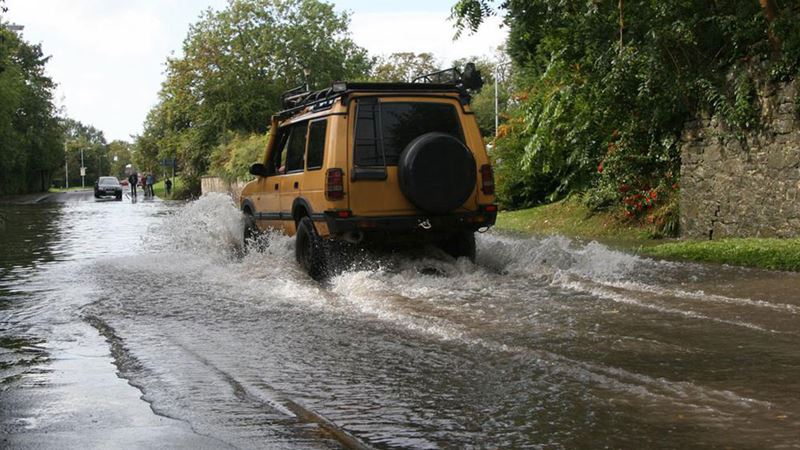
Across the United States, various regions are experiencing unprecedented and intense weather phenomena, significantly impacting local communities, economies, and ecosystems. From devastating hurricanes to fierce heatwaves and catastrophic flooding, the nation’s climate unpredictability is becoming more pronounced due to ongoing climate change. Understanding which states are most vulnerable to extreme weather events, and the specific nature of these disruptions, is crucial for developing effective mitigation strategies and resilience planning.
Mississippi has encountered some of the most severe weather incidents in recent years. In particular, the state experienced powerful wind storms with average speeds reaching 150 kilometers per hour, causing widespread destruction and substantial economic losses. One notable event struck Hattiesburg, leaving extensive damage in its wake. Moreover, the Mississippi River has experienced historic flooding levels not seen since the early 20th century. These floods have wreaked havoc on communities and agriculture alike, with damages totaling approximately three billion dollars, demonstrating the profound economic and human toll of such extreme weather.
Nevada is infamous for its relentless heatwaves, which are becoming more frequent and intense. During recent summers, temperatures have soared to 115 degrees Fahrenheit or higher, creating dangerous living conditions for residents. The extreme heat increases risks of heatstroke and other heat-related illnesses, contributing to a rise in fatalities across the state. The scorching weather also impacts Nevada's natural landscape, igniting wildfires that devastate large swathes of forest and grasslands, leading to significant ecological destruction and economic costs associated with firefighting efforts and property damages.
Meanwhile, Arkansas, which has a relatively small population constituting about 1% of the entire U.S., continues to face life-threatening weather events predominantly characterized by flash floods. These sudden and intense flooding episodes have claimed lives and caused injuries to numerous residents. Tornado outbreaks are another recurring threat, with several devastating tornado events over the past few years leading to fatalities and widespread property damage. Such extreme weather events not only threaten lives but also severely impact the agricultural yields of the region. For instance, flooding along the Mississippi River that borders Arkansas has destroyed crops, causing economic setbacks for farmers and affecting the nation’s food supply chain.
Wyoming, often perceived as a state with a relatively stable climate, has seen an increase in extreme weather incidents within recent years. Historically known for its majestic mountains and open landscapes, Wyoming has experienced multiple avalanches in areas like Teton, Snake River, and Wyoming Range. These natural disasters have posed risks to residents, tourists, and wildlife, disrupting daily life and local economies. Climate change appears to be a key factor behind these avalanche occurrences, reflecting broader shifts in temperature and snowfall patterns.
Alabama has gained attention in recent years due to its exposure to severe weather phenomena. One of the most notable events was a four-day tornado outbreak that swept through the state, resulting in hundreds of casualties and extensive property damage. These tornadoes often strike with little warning, creating a formidable threat to residents and emergency services alike. Beyond tornadoes, Alabama faces other extreme weather challenges that include thunderstorms, hailstorms, and flooding events, all contributing to the state's ongoing battle with climate-related disasters.
Overall, the increasing frequency and severity of extreme weather events across these states underscore the urgent need for comprehensive disaster preparedness and climate resilience plans. As climate patterns continue to shift, fostering community awareness, improving infrastructure, and investing in early warning systems are vital steps to protect lives and economies from future weather-related calamities.