
Impacts of Extreme Heat on School Operations and Student Well-being
Extreme heatwaves are impacting schools nationwide, influencing closures and early dismissals to protect student health. This comprehensive article discusses the effects of high temperatures on student learning, the importance of improved air conditioning, and the necessity of preparedness plans for parents and schools. With proactive measures and timely information, communities can ensure student safety and well-being during intense heat periods, supporting a conducive learning environment regardless of weather challenges.
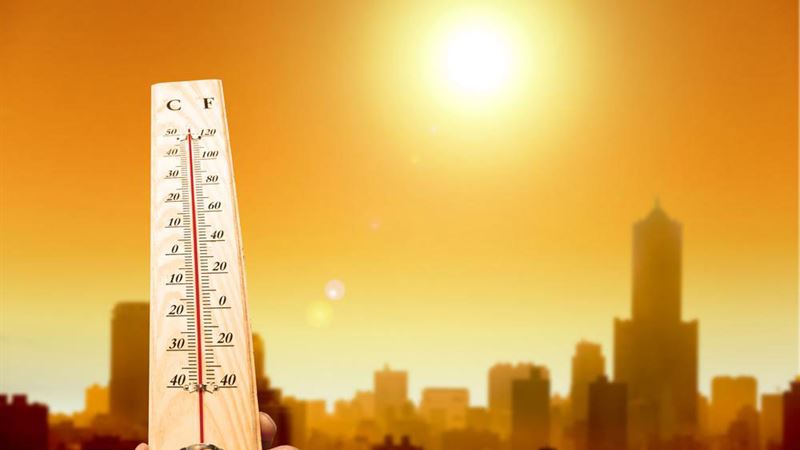
Rising temperatures resulting from climate change are increasingly affecting educational environments across the globe. Prolonged heatwaves can significantly impair a student's ability to concentrate, process information, and perform academically. During intense heat periods, schools observe a decline in test performance, with many students experiencing discomfort, fatigue, and irritability. These factors can also contribute to behavioral challenges and reduce overall school safety and comfort.
While some school districts, especially in warmer southern states such as Florida, have invested in air-conditioned classrooms, many others lack sufficient cooling infrastructure. This disparity means students in less equipped schools are at higher risk for heat-related stress and learning difficulties. Recognizing this, several states, including Hawaii and New York, are actively working to enhance cooling systems; Hawaii recently announced plans for widespread air conditioning installation, aiming to create a more comfortable learning environment statewide. Similarly, New York City pledged to equip all classrooms with air conditioning by 2020, reflecting a broader commitment to student health and academic success amid rising temperatures.
During extreme heat conditions, school closures and early dismissals become necessary to safeguard student health. To stay informed about potential school closings, parents should regularly check official school and district websites, as well as local news channels and community alerts. Educational authorities typically announce heat-induced closures or schedule adjustments through established communication channels to ensure families are promptly notified.
Preparing for Unexpected Early Dismissals
Parents and guardians should prepare contingency plans for unanticipated early dismissals due to severe heatwaves. For working parents, arrangements such as designating trusted neighbors or friends with available adult supervision can be invaluable. If a child's older sibling is responsible and mature enough, they can be assigned the task of supervising younger siblings until parents arrive home. This approach minimizes disruption and ensures children's safety during emergency dismissals.
Most schools implement a phased dismissal process, often releasing high school students first, followed by middle and elementary students. This gradual process enables older children to arrive home before their younger siblings, ensuring continuous supervision and safety. Parents should communicate with school administrators to understand dismissal procedures and plan accordingly.
Extreme heat not only poses physical health risks such as heat exhaustion and dehydration but also hampers students' cognitive functions and concentration levels. To mitigate these risks, it is recommended that parents register mobile numbers with school notification systems to receive real-time updates on closures or schedule changes. Staying informed via local radio, television, and school communication channels is critical to ensure timely response to weather-related disruptions. Having a comprehensive plan for managing early dismissals and heat-related health issues helps maintain student well-being and academic continuity during heatwaves.