
Comprehensive Strategies for Managing and Treating Diarrhea Effectively
This comprehensive guide offers in-depth insights into diarrhea causes, symptoms, and effective management strategies. It emphasizes hydration, diet adjustments, probiotics, and medical interventions to ensure quick recovery. Proper diagnosis and timely treatment are vital for preventing complications. The article also provides preventive tips and lifestyle changes that promote gut health and reduce recurrence risks. Suitable for those seeking detailed information on managing diarrhea, it emphasizes the importance of professional medical advice for persistent or severe cases, helping readers restore their health efficiently.
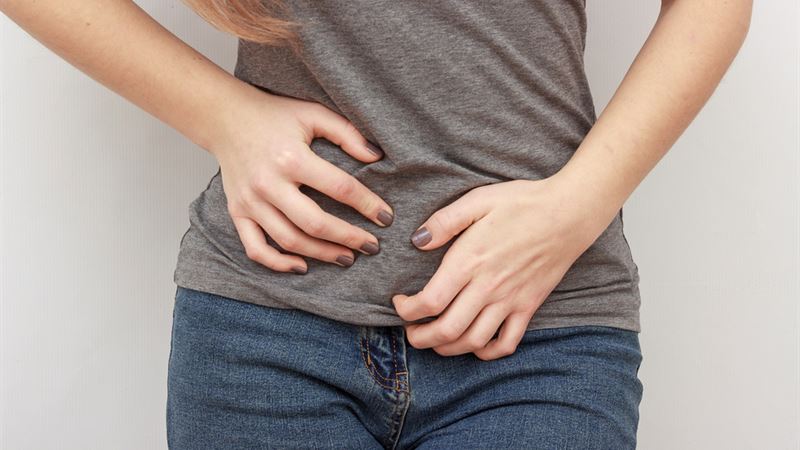
Diarrhea is a common health issue affecting millions worldwide, often caused by infections, contaminated food or water, or side effects of medication. Understanding its underlying causes, symptoms, and effective treatment options is essential for quick recovery. While mild cases often resolve on their own within a few days, persistent or severe diarrhea requires prompt medical attention. In this detailed guide, we explore the causes, symptoms, diagnosis, and comprehensive treatment methods—including home remedies and lifestyle adjustments—to help you manage and recover from diarrhea efficiently.
Understanding the Roots of Diarrhea
Diarrhea manifests when the digestive system is disrupted due to various factors. Although it is often a temporary condition, sustained or severe diarrhea may signal underlying health issues. Common causes include bacterial, viral, or parasitic infections, consumption of contaminated food or water, food intolerances, allergies, stress, or adverse reactions to medication like antibiotics. Occasionally, chronic diarrhea results from gastrointestinal diseases such as irritable bowel syndrome (IBS), inflammatory bowel disease (IBD), or malabsorption syndromes. Recognizing these causes helps in tailoring appropriate treatment plans and preventing recurrence.The Symptoms You Should Be Aware Of
The primary symptom of diarrhea is frequent loose or watery stools, often accompanied by abdominal cramps, bloating, nausea, and dehydration. Some patients may experience fever or blood in stools, indicating infections or inflammation. Severe dehydration manifests as dry mouth, dizziness, weakness, and reduced urination. Recognizing these symptoms early is crucial for timely intervention. Persistent diarrhea lasting more than a few days warrants medical evaluation, especially if accompanied by high fever, blood in stool, or signs of dehydration.Diagnosing Diarrhea
To identify the root cause, physicians often start with a physical examination and detailed patient history. Diagnostic tests such as blood tests, stool analysis, or culture can identify infections or parasites. In some cases, imaging studies or endoscopic procedures like colonoscopy or sigmoidoscopy are performed to evaluate structural abnormalities or inflammatory conditions. Proper diagnosis assists in prescribing targeted treatments and prevents complications like severe dehydration or nutritional deficiencies.Effective Treatment Approaches
As a general rule, mild diarrhea can often be managed at home without medication, focusing on hydration and diet. However, persistent or severe cases necessitate medical intervention. Treatment strategies include medication, hydration therapy, dietary adjustments, and lifestyle changes tailored to the specific cause:Medical Interventions
The choice of medication depends on the underlying cause. Antibiotics are prescribed only when bacterial infections are confirmed via tests. For viral diarrhea, supportive care like hydration is primary, as antibiotics are ineffective. Anti-diarrheal medications such as loperamide may provide symptom relief, but they should be used cautiously under medical supervision. In parasitic infections, antiparasitic drugs are essential. In some cases, corticosteroids or other anti-inflammatory drugs may be recommended to reduce intestinal inflammation. For chronic diarrhea linked to gastrointestinal disorders, specialized treatments and long-term management plans are necessary.Hydration and Fluid Replacement
Hydration remains the cornerstone of diarrhea treatment. Replacing lost fluids prevents dehydration, which can be life-threatening if neglected. Oral rehydration solutions (ORS), comprising salts, glucose, and water, are highly effective. Infants and young children should continue breastfeeding, supplemented with electrolyte solutions like Pedialyte if necessary. Adults should avoid caffeinated, carbonated, or alcoholic beverages, as these can worsen dehydration and irritate the gut. Consistent fluid intake in small, regular sips ensures efficient hydration and allows the gastrointestinal system to recover.Incorporating Probiotics into Your Regimen
Probiotics, or beneficial bacteria, can significantly improve gut health and accelerate recovery from diarrhea. Consuming probiotic-rich foods such as yogurt, kefir, sauerkraut, kimchi, miso, and tempeh helps restore the natural balance of intestinal flora disrupted during illness. Probiotic supplements in capsule or powder form are also available for targeted therapy. Regular intake of probiotics benefits individuals with gastrointestinal sensitivities, antibiotic-associated diarrhea, or recurrent episodes, contributing to overall digestive health and immunity.Dietary Guidelines During and After Diarrhea
During diarrhea, a fluid and low-fiber diet is recommended to reduce stress on the intestines. Suitable foods include bananas, rice, applesauce, toast (BRAT diet), chicken broth, boiled potatoes, and plain crackers. As symptoms subside, gradually reintroduce gentle, easily digestible foods. Once recovered, focus on maintaining a balanced diet rich in fiber, fruits, vegetables, lean proteins, and whole grains to support gut health and prevent future episodes.Foods to Avoid
To facilitate recovery and prevent worsening symptoms, avoid greasy, fried, spicy, or heavily processed foods. Fruits and vegetables that tend to cause bloating such as cabbage, beans, and onions should be limited initially. Artificial sweeteners and high-sugar foods can disturb gut flora. Alcohol, caffeine, and carbonated drinks should be strictly avoided as they can irritate the digestive tract and prolong recovery. Proper dietary choices streamline healing, restore digestive balance, and reduce discomfort.Preventive Measures and Lifestyle Tips
Preventing diarrhea involves practicing good hygiene, such as thorough handwashing, especially before meals and after using the restroom. Drinking safe, clean water and eating properly cooked foods reduce infection risk. Maintaining a healthy immune system through a balanced diet and adequate sleep can also lower susceptibility. When traveling, avoid tap water, raw foods, and street vendors to minimize exposure to pathogens. Managing stress and avoiding unnecessary antibiotic use further contribute to gut health.When to Seek Medical Advice
If diarrhea persists beyond two days, worsens, or accompanies symptoms like severe dehydration, high fever, blood in stools, or intense abdominal pain, seek medical attention promptly. Chronic diarrhea may indicate underlying diseases requiring long-term treatment. Early consultation ensures proper diagnosis, targeted therapy, and prevents complications. For vulnerable populations such as infants, pregnant women, and the elderly, medical advice should be sought immediately at symptom onset.In conclusion, diarrhea, while common, can be effectively managed through timely medical intervention, proper hydration, diet modifications, and lifestyle practices. Recognizing symptoms early and following recommended treatment strategies can lead to rapid recovery, minimize discomfort, and promote overall gastrointestinal health. Always consult healthcare professionals for persistent or severe cases to ensure safe and appropriate care. With attentive management, full recovery from diarrhea is highly achievable, allowing individuals to restore their health and enjoy a better quality of life.