
Comprehensive Guide to Managing a Hiatal Hernia Through Diet: What to Eat and What to Avoid
This comprehensive guide explores dietary strategies for managing hiatal hernia effectively. It details foods to avoid, such as spicy, fatty, and acidic items, alongside healthy alternatives like lean proteins, vegetables, and low-acid fruits. Emphasizing lifestyle changes, including weight control and meal timing, the article offers practical tips for alleviating symptoms like heartburn and regurgitation. Following these principles can enhance comfort, prevent further health issues, and improve overall quality of life. Expert advice complements dietary recommendations for optimal management of this common gastrointestinal condition.
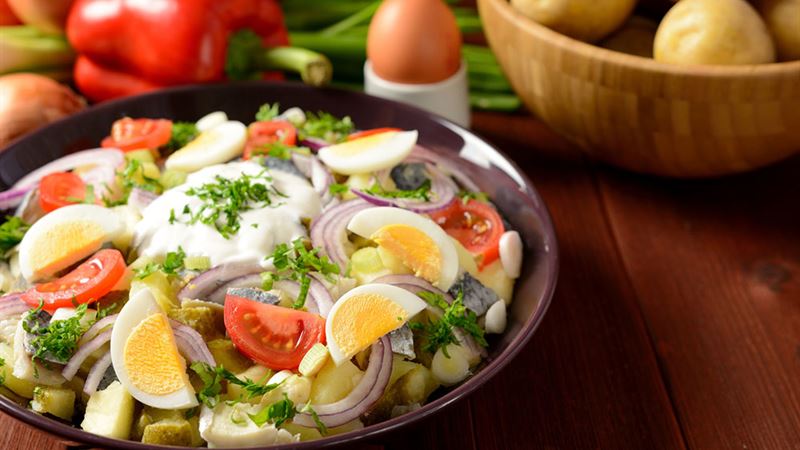
- Garlic and Onion: Both raw and cooked forms are highly acidic and can trigger symptoms. It is advisable to limit their use or find alternative flavoring options.
- Citrus Fruits: Oranges, lemons, limes, grapefruits, and other citrus fruits contain high acid levels that can aggravate reflux. Avoidance is recommended until symptoms subside.
- Tomato-Based Products: Tomato paste, ketchup, salsa, marinara, and other red sauces are rich in acid and should be restricted from the diet plan.
- Fried and Spicy Foods: Foods like fried chicken, burgers, potato chips, and spicy dishes such as curries and chili can increase discomfort and worsen reflux symptoms.
- High-Sodium Fast Foods: Processed and fast foods tend to be high in salt and unhealthy fats, which can contribute to inflammation and worsen symptoms.
- Alcoholic Beverages: Wine, beer, spirits, and all alcohol should be avoided, as they relax the lower esophageal sphincter, promoting acid reflux.
- Caffeinated Drinks: Coffee (both filtered and unfiltered), caffeinated teas, and energy drinks can stimulate acid production and should be limited or avoided.
- Soda and Carbonated Drinks: Seltzer water, sparkling water, and soft drinks release carbon dioxide, increasing pressure and symptoms.
- Whole Milk: High-fat dairy options can relax the esophageal sphincter and delay stomach emptying, exacerbating reflux.
- Common Symptoms: Heartburn, chest discomfort, regurgitation of stomach acid, difficulty swallowing, sore throat, and sometimes a sensation of fullness or bloating after meals.
- Impact of Diet: Consuming acidic, fatty, or spicy foods intensifies these symptoms, making meal times painful. Maintaining an alkaline or neutral pH diet helps reduce pressure on the stomach and alleviate discomfort.
- Opt for Lean Proteins: Incorporate lean meats such as chicken and fish (e.g., cod, mackerel) that are low in fat and easy to digest. Red meats, especially fatty cuts, should be avoided.
- Include Beneficial Vegetables: Opt for leafy greens like spinach, kale, broccoli, and cucumbers. Adding carrots and bell peppers in moderate quantities can boost antioxidants and provide soothing effects on the digestive tract.
- Choose Gentle Fruits: Favor low-acid fruits such as apricots, blueberries, blackberries, and melons. These help provide essential nutrients without irritating the esophagus.
- Beverage Choices: Water remains the best hydration source. Herbal teas (such as chamomile or ginger, not too hot) can soothe the digestive system. Avoid caffeinated and carbonated drinks.
- Weight Control: Excess weight increases abdominal pressure, making hernia symptoms worse. Achieving and maintaining a healthy weight through calorie control and regular exercise is vital.
- Meal Pattern and Portion Control: Eat small, frequent meals instead of large ones. Chew thoroughly and sip water slowly to aid digestion.
- Posture and Activity: Avoid lying down immediately after meals. Incorporate gentle activities like walking. Elevate the head of your bed to prevent reflux during sleep.
- Always follow your healthcare provider’s instructions regarding medication, especially antacids or proton pump inhibitors.
- Incorporate moderate aerobic exercises to promote weight loss and improve digestion.
- Avoid smoking, which worsens reflux and impairs healing.
- Stay vigilant about symptom changes and consult your doctor if symptoms worsen or do not improve.
Managing a hiatal hernia through diet requires commitment and awareness. Choosing the right foods, avoiding triggers, and adopting healthy lifestyle habits can make a substantial difference. Remember, consulting with a healthcare professional ensures that you customize your diet and activity plan according to your specific needs, reducing discomfort and preventing complications over time.