
Comprehensive Guide to Solar Power Stations: Types, Core Parts, and Key Buying Tips
Explore the complete guide to solar power stations, covering types, core components, crucial factors for purchase, and the advantages and disadvantages. Learn how to select and maintain the right system for your energy needs, whether for backup power, outdoor adventures, or sustainable living. Understand key features, placement tips, cost considerations, and environmental benefits to make an informed decision. This extensive guide helps homeowners, travelers, and business owners leverage solar technology effectively for reliable, eco-friendly energy solutions, maximizing efficiency and savings across various applications.
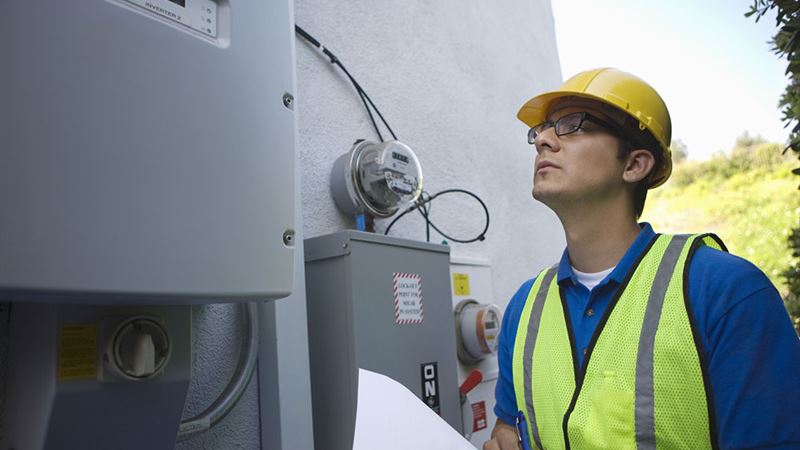
Stationary Solar Power Systems: These systems are permanently installed in residential or commercial settings and serve as primary or backup power sources. They are integrated into the building's electrical network, providing reliable energy supply during outages and reducing reliance on traditional power grids. Such systems are designed for maximum energy generation and durability, making them ideal for long-term renewable energy solutions.
Portable Solar Power Units: Portable solar stations are compact, lightweight, and self-sufficient energy solutions that are perfect for outdoor use, travel, or emergency scenarios. They allow users to charge devices, power small appliances, or run equipment in remote locations without access to traditional electricity. Their ease of transport and flexible use make them indispensable for camping, hiking, disaster preparedness, and remote work sites.
Essential Components of Solar Power Systems:
A typical solar power station comprises elements that work together to generate, store, and distribute electricity efficiently:
- Photovoltaic (PV) panels—convert sunlight into electrical energy
- Rechargeable batteries—store the captured energy for later use
- Charge controllers—regulate the flow of electricity into the battery to prevent overcharging
- Inverters—transform direct current (DC) from the batteries into usable alternating current (AC)
Understanding the function of each part helps in maintenance and troubleshooting, ensuring the system's efficiency over time.
Key Factors to Consider Before Purchasing a Solar Power System:
Assessing Power Needs: The first step involves calculating your specific energy consumption. Consider the number and type of electronic devices you wish to power and estimate their energy requirements. This will help determine whether a small portable unit or a large stationary system is suitable for your needs, whether for backup during outages, off-grid living, or outdoor activities. Creating an energy audit by listing devices, their wattage, and usage duration can provide clarity on the optimal system size.
Storage Capacity and Placement: Proper storage is crucial to preserve your solar station’s longevity. Find a dry, sheltered location away from extreme weather to prevent damage. If considering a portable system, think about how its size and weight fit your mobility needs. For stationary setups, ensure the placement maximizes sunlight exposure while remaining accessible for maintenance.
Usage Frequency and Mobility: How often you plan to use your solar power system influences your choice. Infrequent use, such as occasional outdoor events, may only require a smaller portable unit. For frequent use or longer power outages, larger stationary systems or high-capacity portable models are advisable. Consider portability features if you are often traveling or camping.
Budget Considerations: Cost is a significant factor. Expect to spend between $1,000 and $3,000 for basic portable systems. Larger, higher-capacity units or stationary installations can range from $5,000 to $15,000 depending on capacity and features. While initial investment may seem high compared to traditional generators, solar systems usually entail lower operating costs and minimal ongoing maintenance, making them cost-effective long-term solutions.
Advantages and Drawbacks of Solar Power Stations:
- Portability: Solar units are lightweight and easy to carry, ideal for outdoor trips, camping, and emergency preparedness. Many models include handles to facilitate transportation.
- Ease of Use and Maintenance: Operating solar stations is straightforward—simply turn on, connect devices, and power up. They require minimal upkeep, with no need for fuel or regular servicing of moving parts, unlike gas generators.
- Eco-Friendly: Solar systems produce clean energy without greenhouse emissions or pollution, contributing to environmental conservation. They avoid toxic gases and air contaminants associated with fossil fuels.
However, some limitations should be noted:
- Performance in Low Sunlight: Although solar panels can harness energy in less sunny environments, reduced sunlight diminishes efficiency. In regions with prolonged cloudy periods, supplemental or alternative power sources might be necessary.
- Higher Initial Costs: While operational expenses are low, the upfront expenditure is higher compared to traditional gas generators. Long-term savings and environmental benefits often justify this initial investment.
- Slower Power Generation: Solar systems depend on sunlight availability and often charge slowly, making them less suitable for immediate high-power demands. They are best used for steady, moderate energy needs.