
2025 Comprehensive Guide to the Costs and Savings of Solar Roof Tiles
Explore the comprehensive financial and practical advantages of solar roof tiles in 2025. Learn about costs, long-term savings, property value boost, government incentives, and how they compare to traditional solar panels. Make an informed decision to upgrade your home’s energy system with these innovative, aesthetic, and sustainable roofing solutions for maximum savings and environmental impact.
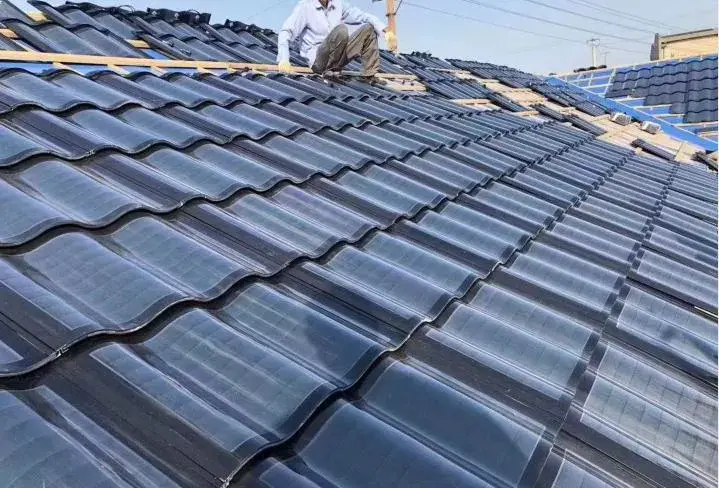
Understanding Solar Roof Tiles: What They Are and Why They Matter
Solar roof tiles, often called solar shingles, are an innovative approach to sustainable roofing technology. Unlike traditional solar panels that are installed on top of existing roofs, these tiles are designed to seamlessly integrate into the roofing surface itself. They serve a dual purpose: providing the durability and weather resistance of standard roofing materials while simultaneously converting sunlight into renewable electricity. This integration offers a sleek, modern appearance that enhances curb appeal and eliminates the visual clutter created by external solar panel arrays. Solar roof tiles are a game-changer for homeowners seeking to combine functionality with aesthetic appeal, especially as renewable energy adoption accelerates globally.
2025 Costs Overview for Solar Roof Tiles
One of the main concerns homeowners have when contemplating solar roof tiles is the initial investment required. Although these tiles have gained popularity and some costs have decreased over recent years, they still tend to be more expensive than traditional roofing options and standard solar panels. Careful consideration of the costs involved is crucial for making an informed decision about whether this innovative technology fits your budget and long-term financial plans.
Factors Impacting the Cost of Solar Roof Tiles
- Installation Complexity: Integrating solar roof tiles into a home’s roofing system involves specialized skills. Unlike mounting solar panels on an existing roof, these tiles require precise installation within the roofing structure, often resulting in increased labor costs and longer installation times.
- Type of Material: The choice of materials for the solar tiles—whether ceramic, slate, glass, or composite—affects both durability and cost. Premium materials may cost more initially but can offer better longevity and aesthetic qualities.
- Roof Size and Design: Larger roofs require more tiles, which raises material costs and installation efforts. Complex roof designs with peaks, valleys, or multiple levels may add to the challenge and expense.
Estimated Financial Outlay in 2025
- On average, installing solar roof tiles in a typical residential house ranges between $50,000 and $75,000, including both materials and labor.
- For comparison, traditional solar panel systems for similar homes are typically priced between $20,000 and $30,000.
While the upfront expenditure for solar roof tiles is notably higher, many homeowners view this as a long-term investment with substantial returns through energy savings and increased property value.
Long-Term Financial Advantages of Installing Solar Roof Tiles
Despite the significant initial costs, solar roof tiles provide numerous long-term financial benefits that can outweigh the upfront expenses. These advantages not only offset initial investments but also contribute to household savings, increased equity, and environmental impact reduction.
1. Significant Reduction in Energy Expenses
The primary motivation for adopting solar roof tiles is the potential reduction in monthly energy costs. These tiles generate electricity directly from sunlight, decreasing your reliance on grid power and lowering utility bills. In 2025, homeowners can expect to cut their energy bills by approximately 30% to 60%, depending on local sunlight conditions and energy consumption habits.
- Energy Cost Savings: Implementing solar roof tiles can lead to considerable savings over time, making your home more affordable to operate.
2. Enhancement of Property Market Value
Adding a solar energy system, especially integrated solar roof tiles, often boosts your home’s market value. Recent studies demonstrate that homes equipped with solar systems tend to sell for an additional 4% to 7% above comparable properties without solar installations. The aesthetic appeal, improved energy efficiency, and sustainability factors make such homes highly attractive to eco-conscious buyers.
3. Government Incentives and Financial Incentives
In 2025, various incentive programs significantly reduce the effective cost of installing solar roof tiles. These include:
- Federal Solar Investment Tax Credit (ITC): Homeowners are eligible for a 26% tax credit applied to the total installation costs, substantially decreasing the net expenditure.
- State and Local Incentives: Many states and municipalities also offer rebates, grants, or additional tax credits for solar technology adoption, further improving overall affordability.
Leveraging these incentives can substantially improve the return on investment, making solar roof tiles a more accessible renewable energy option.
4. Lower Maintenance and Replacement Expenses
Traditional solar panels often require periodic cleaning, repairs, and eventual replacement. Conversely, solar roof tiles are integrated into the roofing structure, which reduces maintenance needs. They come with warranties spanning 25 to 30 years—comparable to the lifespan of the roofing material itself—meaning fewer costs over the years.
5. Long-term Energy Cost Savings
The true financial benefit of solar roof tiles manifests over time. After about 10 to 15 years, the system’s energy production typically covers its own costs, effectively making the owner’s electricity free thereafter. This prolonged savings results in more predictable household expenses, less vulnerability to utility rate increases, and increased financial independence.
Comparing Solar Roof Tiles to Conventional Solar Panels
Homeowners evaluating renewable energy options face the choice between solar roof tiles and traditional solar panels. Each alternative has distinct pros and cons suited to different preferences and budgets.
| Feature | Solar Roof Tiles | Conventional Solar Panels |
|---|---|---|
| Initial Cost | Higher ($50,000 - $75,000) | Lower ($20,000 - $30,000) |
| Energy Production Efficiency | 30% to 60% reduction in energy costs | 20% to 40% reduction |
| Design and Aesthetic | Sleek, integrated look; seamless appearance | Mounted on roof surface, often visible from ground |
| Durability | 25-30 years | 20-25 years |
| Maintenance Needs | Minimal; integrated into roof structure | Higher; separate panels may require maintenance |
Which Choice Fits Your Needs?
- Opt for solar roof tiles if prioritizing aesthetics, long-term property value increase, and a unified design that complements your home’s architecture. They are suitable for homeowners committed to sustainable living willing to invest upfront for long-term benefits.
- Choose traditional solar panels if your primary goal is cost savings with an emphasis on affordability and simpler installation processes. They work well for those who don’t mind the visual impact of mounted panels.
Final Thoughts: Are Solar Roof Tiles a Smart Investment for 2025?
Looking ahead to 2025, solar roof tiles stand out as a compelling option for environmentally conscious homeowners. Although the initial cost may seem steep, the significant long-term savings, enhancement of home value, and opportunities for tax incentives make them an attractive investment. The dual benefits of aesthetic integration and energy efficiency align perfectly with modern trends toward sustainability and smart home upgrades.
Informed by a thorough understanding of the financial implications and potential benefits, you can determine whether solar roof tiles are the right fit for your property. As technology advances and more incentives become available, adopting solar roof tiles could very well be one of the smartest decisions you make for both your wallet and the planet in 2025 and beyond.