
Essential High-Protein Foods to Incorporate into Your Daily Nutrition Plan
Explore a diverse selection of high-protein foods including eggs, cottage cheese, broccoli, lean beef, and tuna. This comprehensive guide highlights their nutritional benefits and offers creative ways to incorporate them into your daily meals for improved health, muscle growth, and weight management. Boost your diet with these nutrient-dense options and support your long-term wellness goals effortlessly.
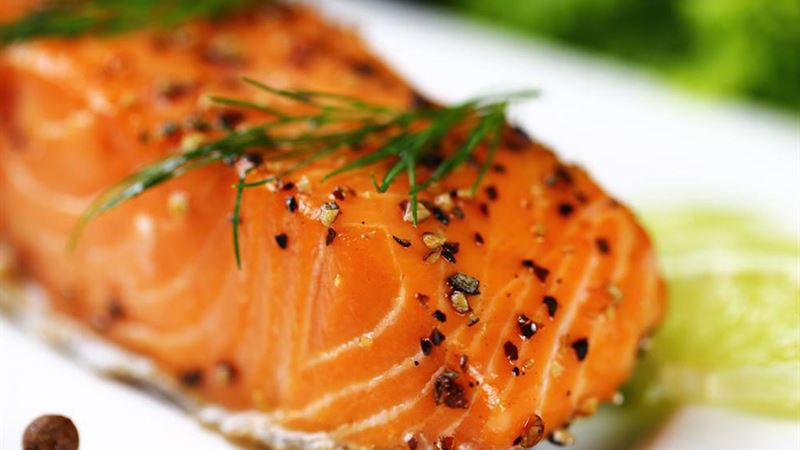
Maintaining a balanced diet is crucial for overall health, and one of the most important components of nutrition is protein. Proteins are vital for building and repairing tissues, supporting immune function, and maintaining muscle mass. Incorporating high-protein foods into your daily diet can enhance your energy levels, aid in weight management, and promote better metabolic health. This comprehensive guide explores a variety of nutrient-dense foods rich in protein that you should consider adding to your meals. From eggs and dairy to vegetables and meats, discover versatile options that support your health goals.
Discovering the Power of Eggs
Eggs are one of the most economical and nutrient-rich foods available. They contain high-quality protein, essential amino acids, and a myriad of vitamins and minerals. Whole eggs are especially rich in protein, with approximately 6 grams of protein per large egg. Interestingly, the egg white is considered a complete protein, providing all essential amino acids necessary for muscle growth and repair. If your focus is strictly on increasing protein intake without additional fats, egg whites are the optimal choice. You can prepare eggs in countless delicious ways—scrambled, boiled, poached, or as an ingredient in omelets and baked dishes. Incorporating eggs into breakfast or snacks can significantly boost your daily protein consumption, supporting muscle development and overall health.
Rich Source: Cottage Cheese
Cottage cheese stands out as a low-fat, high-protein dairy product. It’s an excellent choice for those seeking to build lean muscle, lose weight, or simply enhance their nutrient intake. A typical serving of cottage cheese delivers around 11 grams of protein per half-cup, making it an incredibly efficient food for boosting your daily protein quota. Unlike other cheeses, cottage cheese is low in calories and fat, which complements a variety of diets focused on health and weight management. It can be enjoyed on its own, mixed with fruits, or used as a savory ingredient in salads and sandwiches. Besides cottage cheese, other cheeses high in protein include Parmesan, mozzarella, and cheddar, but cottage cheese remains the best option for a low-fat, high-protein profile.
The Nutritional Benefits of Broccoli
Often underestimated, broccoli is a powerhouse vegetable packed with protein, vitamins, and minerals. It provides about 2.8 grams of protein per 100 grams and is loaded with beneficial compounds like fiber, potassium, vitamin C, and vitamin K. Beyond its nutritional profile, broccoli is celebrated for its cancer-fighting properties due to antioxidants and phytochemicals. Including broccoli in your diet can support immune health and overall disease prevention. Easy ways to enjoy broccoli include steaming, boiling, or roasting. For those who dislike its taste, preparing a creamy broccoli soup or sautéing it with olive oil, garlic, salt, and pepper can enhance its flavor and make it more appealing. Adding broccoli to salads, stir-fries, or casseroles can effortlessly elevate your intake of plant-based protein and nutrients.
Incorporating Lean Beef into Your Protein Intake
Lean beef is a flavorful and rich source of high-quality protein, iron, and vital nutrients. When prepared correctly, it can be a central component of a healthy diet aimed at muscle building and fat loss. A 3-ounce serving of lean beef provides approximately 22 grams of protein, making it an efficient form of animal-based protein. To maximize health benefits, opt for cuts like sirloin, tenderloin, or round steaks, which contain less fat. Delicious recipes include grilled steaks, beef stir-fries, or beef stews paired with vegetables and lentils for added fiber and nutrients. Incorporating lean beef into your meals provides essential amino acids and promotes satiety, helping control hunger and supporting metabolic health.
Tuna: A Versatile Marine Protein
Tuna is a popular and accessible fish that offers a high-protein, low-fat option for seafood lovers. It delivers about 25 grams of protein per 3-ounce serving, making it an ideal choice for athletes and individuals seeking to increase their protein intake. Tuna can be enjoyed in numerous ways—from simple sandwiches and wraps to hearty salads and poke bowls. It pairs well with a variety of herbs, spices, and sauces, allowing for endless flavor combinations. Canned tuna is convenient for quick meals, while fresh tuna steaks are excellent grilled or seared. Rich in omega-3 fatty acids, tuna also supports cardiovascular health, making it a smart addition to a balanced, protein-rich diet.
In conclusion, integrating these high-protein foods into your daily meals can significantly improve your nutritional intake and support your health objectives. Whether you prefer plant-based options like broccoli or dairy and meats, a well-rounded diet that emphasizes quality protein sources is essential for sustained wellness and vitality. Remember to balance your diet with vegetables, fruits, whole grains, and healthy fats to optimize your overall health and performance.