
Essential High-Protein Foods to Optimize Your Diet and Enhance Your Health
Discover a comprehensive guide to high-protein foods that support muscle growth, boost metabolism, and promote overall health. Learn about low-carb cheeses, wheat alternatives like seitan, and nutritious dry fruits suitable for your diet. This detailed article provides valuable insights into optimizing your nutrition for better wellness and fitness results.
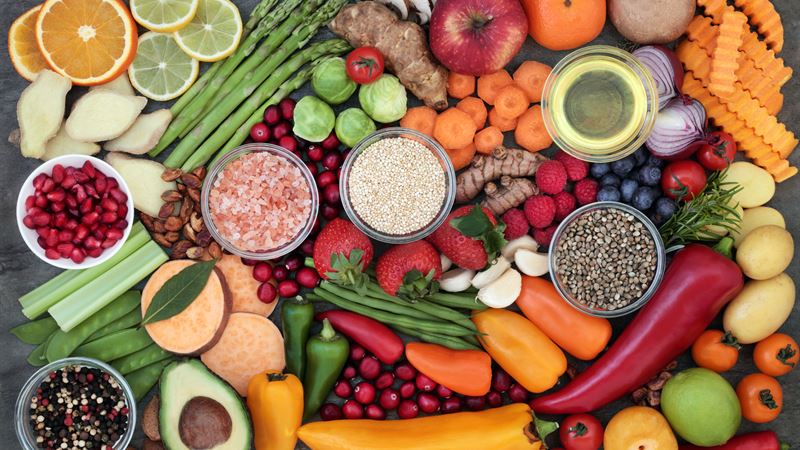
Incorporating high-protein foods into your daily diet is a proven strategy for supporting muscle growth, boosting metabolism, and improving overall health. Proteins, as the building blocks of the body, play a critical role in tissue repair, enzymatic functions, and maintaining immune health. Whether you're an athlete, a fitness enthusiast, or someone looking to improve overall wellness, focusing on nutrient-dense, high-protein foods can make a significant difference.
Remember, a balanced intake of proteins, combined with other essential nutrients, can help you achieve your fitness goals more efficiently. Let's explore the various high-protein options available, their benefits, and how to incorporate them into your diet for optimal health and performance.
- Enhancing Muscle Development and Recovery
- Boosting Metabolic Rate and Fat Loss
- Strengthening Tendons and Supporting Injury Recovery
Is a Low-Carbohydrate Diet Suitable for You?
The debate about low-carbohydrate diets has been ongoing for decades. Some individuals advocate for carb restriction to promote weight loss and improve metabolic health, while others worry about potential negative effects on energy levels and overall health. Understanding the benefits and drawbacks of a low-carb diet can help you decide whether it aligns with your personal health goals.
Let’s explore some advantages of low-carb diets that are sometimes overlooked:
- Reducing carbohydrate intake can lead to decreased blood sugar levels, which is especially beneficial for individuals with insulin resistance or type 2 diabetes. This reduction also promotes a sense of fullness, helping to control calorie intake naturally.
- Lower carbohydrate consumption is associated with improved cardiovascular health by balancing cholesterol levels and reducing triglycerides, thereby decreasing the risk factors for heart disease.
Top High-Protein, Low-Carbohydrate Cheeses
If cheese is among your favorite foods, you’ll be pleased to know that many cheese varieties are rich in protein and contain relatively low carbs. Including these cheeses in your diet can help meet your protein needs while keeping carbohydrate intake in check.
- String Cheese
- Ricotta Cheese
- Mozzarella
This portable snack, often available in small packages (like Mini Babybel), offers a convenient way to supplement your protein intake. It supplies calcium and protein, making it suitable for on-the-go consumption.
This soft, creamy cheese is appreciated for its high protein and low carbohydrate content. According to the US Department of Agriculture, a half-cup of ricotta provides approximately 6 grams of carbs and 14 grams of protein, making it an excellent addition to a low-carb diet.
Known for its versatility, mozzarella is another high-protein, low-carb cheese. An ounce of mozzarella contains about 8 grams of protein and only 1 ounce of carbs, making it ideal for salads, snacks, and recipes aimed at high protein intake.
Low-Carb, High-Protein Wheat Alternatives
For those who enjoy wheat-based products but want to keep carbs in check, seitan offers an excellent solution. Made from wheat gluten, seitan provides high protein content with minimal carbs, making it a perfect addition to a low-carb diet.
- Seitan is crafted by washing wheat flour dough to remove starches, leaving behind gluten—the protein component. This process results in a dense protein source with very few carbs.
- Per 2.5-ounce serving, seitan contains about 17 grams of protein and only 4 grams of carbs, making it a popular meat substitute for vegetarians and vegans alike.
Nutritious Dry Fruits Suitable for Low-Carb, High-Protein Diets
Many dry fruits are packed with nutrients and can be included in a low-carb, high-protein diet when consumed in moderation. These snacks provide healthy fats, fiber, and essential minerals.
- Almonds
- Pistachios
Almonds are a powerhouse of nutrients, offering a high amount of protein and healthy fats. A quarter cup serving provides about 8 grams of protein and only 2 grams of net carbs, supporting longevity and cognitive health.
These nuts are equally nutrient-dense, with a quarter cup containing roughly 6 grams of protein and 5 grams of net carbs. They make excellent snacks for maintaining satiety and boosting your nutrient profile.
Incorporating these high-protein and low-carb foods into your daily meals can significantly improve your overall health, aid in weight management, and support muscular development. Remember to balance your diet with a variety of nutrient sources to ensure comprehensive nutrition and sustainable health benefits.