
Effective Strategies to Prevent and Eliminate Dental Plaque Naturally
Discover comprehensive and natural strategies to combat dental plaque effectively. Learn proper brushing, flossing, and professional techniques to maintain a healthy, cavity-free smile. This detailed guide emphasizes routine care, tools, and habits that prevent plaque buildup and promote lifelong oral health. Empower yourself with expert tips for cleaner teeth and healthier gums, reducing the need for dental treatments and ensuring long-term oral wellness. A perfect read for anyone seeking to improve their dental hygiene and prevent oral diseases naturally.
**Proper Brushing Technique**
Brushing remains the cornerstone of oral hygiene. For optimal results, use a soft-bristled toothbrush with nylon bristles, which gently cleans teeth without damaging enamel or gums. Dentists recommend replacing your toothbrush every three to four months, or sooner if bristles become frayed. Electric toothbrushes are an excellent alternative for reaching hard-to-clean areas, offering more consistent brushing strokes that can effectively disrupt plaque accumulation. When brushing, avoid applying excessive force, which can harm your gums; instead, use gentle, circular motions along the gum line, the chewing surfaces, and behind each tooth. Pay special attention to the inner surfaces and the back teeth, where plaque tends to accumulate unnoticed. Don’t forget to brush your tongue to remove bacteria that contribute to bad breath and plaque buildup.**Thorough Rinsing and Regular Brushing**
After brushing, rinsing your mouth thoroughly helps clear away loosened debris and bacteria. Develop a habit of brushing twice daily, ideally in the morning and before bedtime, spending at least two to three minutes each session. Consistency is key in preventing plaque buildup; neglecting this routine allows bacteria to thrive, increasing the risk of dental issues. Use fluoride toothpaste enriched with active ingredients to strengthen enamel and combat plaque-forming bacteria effectively.**Daily Flossing and Use of Water Flossers**
Flossing is arguably the most potent method to remove plaque from areas that brushing cannot reach, such as between teeth and below the gum line. Traditional dental floss or modern water flossers like Waterpik can significantly enhance your oral hygiene routine. Water flossers gently dislodge food particles, bacteria, and plaque without irritating delicate gum tissues. For optimal results, floss or water floss your teeth at least once daily, ideally twice, for about two minutes per session. Be gentle to avoid damaging gums, and work carefully between each tooth, applying light pressure to avoid bleeding. Regular flossing prevents the formation of stubborn tartar and helps maintain healthy gums.**Incorporating Tartar-Control Toothpaste**
Choosing the right toothpaste is essential in managing plaque. Tartar-control formulations contain mild abrasives that help scrub away soft plaque on the surface of teeth and inhibit its hardening into tartar. These toothpastes often contain ingredients like pyrophosphates or zinc citrate, which help prevent calculus formation. Regular use of tartar-control toothpaste complements your brushing and flossing efforts, reducing the need for professional cleanings and preventing plaque-induced dental issues.**Use of Dental Picks and Interdental Cleaners**
In addition to brushing and flossing, interdental cleaners such as wooden or plastic toothpicks can help in dislodging food debris and plaque patterns in tight spaces. When used carefully, they can be effective tools for maintaining oral hygiene, especially after meals. However, caution is necessary to avoid injuring or bleeding gums. Toothpicks should be used gently, ensuring that they do not poke or scratch soft tissues. These are handy for quick cleaning but should not replace regular flossing or professional dental care.**Professional Dental Care and Regular Checkups**
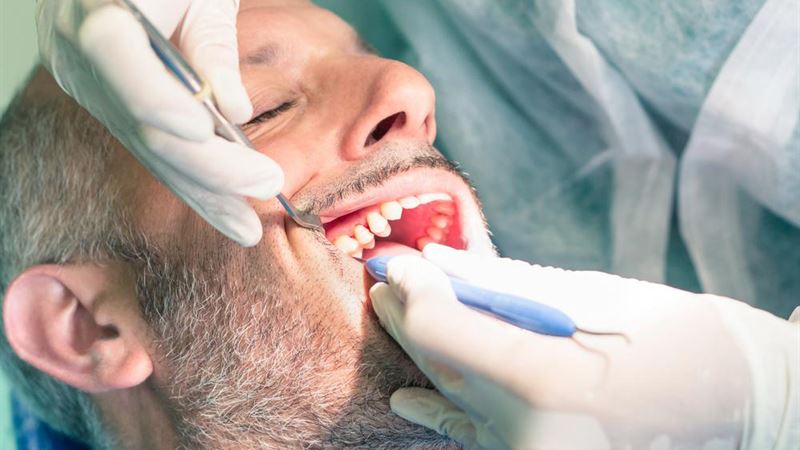
While daily oral hygiene routines are vital in managing plaque, professional dental cleanings are equally important for thorough removal of tartar and for early detection of oral health issues. Regular visits to your dentist, at least twice a year, ensure that any plaque buildup is addressed promptly. Dental experts employ specialized equipment and techniques, such as scaling and polishing, to remove stubborn tartar deposits that home care cannot eliminate. They can also provide personalized advice tailored to your specific dental health needs.