
Comprehensive Guide to Identifying and Treating Common Skin Rashes
This detailed article explores common skin rashes like granuloma annulare and psoriasis. It discusses their symptoms, causes, diagnosis, and effective treatment options to help readers understand and manage these skin conditions effectively.
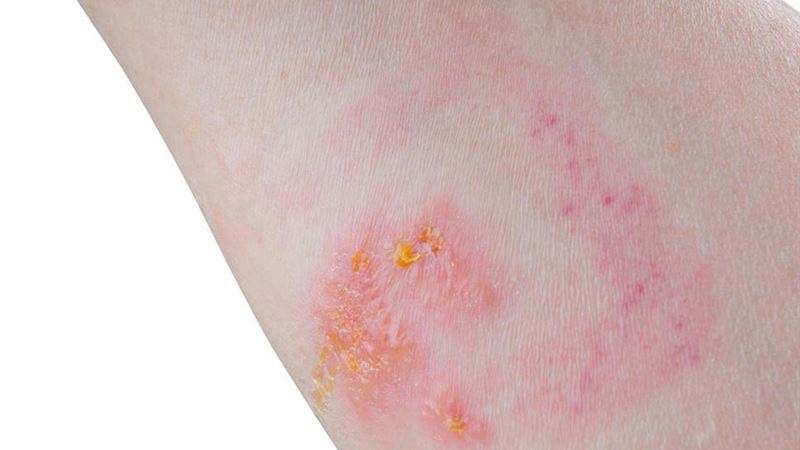
Skin rashes are a common dermatological issue that can arise from a variety of causes, ranging from infections and allergies to chronic skin conditions. Recognizing the type of rash you are experiencing is crucial for effective treatment and relief. This comprehensive guide aims to educate readers on some of the most prevalent types of skin rashes, their symptoms, underlying causes, and available treatment options. By understanding these conditions, individuals can seek timely medical advice and alleviate discomfort or embarrassment associated with skin rashes.
Granuloma Annulare: This benign skin condition presents as rings or circular patterns composed of clustered, firm, and red bumps, commonly appearing on the hands, feet, or forearms. The hallmark feature of granuloma annulare is the development of smooth, ring-shaped lesions that may vary in size. These bumps are typically painless, but their appearance can be cosmetically concerning. Diagnosis generally involves a skin biopsy, which helps confirm the condition. In many cases, granuloma annulare resolves spontaneously within a few months to a couple of years. However, if the lesions persist or cause discomfort, treatments like liquid nitrogen cryotherapy can be used to freeze and remove the lesions. Topical or oral corticosteroids may also be prescribed depending on the severity. The condition often impacts individuals of all ages but is most common in children and young adults. Understanding the benign nature of granuloma annulare can help reduce anxiety about this skin anomaly.
Psoriasis: Psoriasis is a chronic autoimmune skin disorder characterized by the rapid buildup of skin cells, leading to the formation of thick, scaly patches known as plaques. These patches are often red, inflamed, and covered with silvery-white scales, making the skin appear rough and bumpy. Psoriasis can develop on various parts of the body, including the scalp, elbows, knees, lower back, and nails. Its exact cause is unknown, but genetics and environmental triggers play significant roles. The immune system's T-cells mistakenly attack healthy skin cells, prompting an abnormal proliferation that results in the raised, scaly patches. Psoriasis can significantly impact a person's quality of life, causing discomfort, itching, and embarrassment. Fortunately, numerous treatment options are available. Mild cases might respond well to topical treatments, including corticosteroids, vitamin D analogs, and moisturizers. For more persistent or severe cases, phototherapy, systemic medications, and biologic therapies can effectively manage symptoms. Lifestyle adjustments, like stress management and avoiding known triggers, can help control flare-ups.
Skin rashes often lead to distress and discomfort, making daily activities challenging. The itching, redness, and visible appearance of rashes can diminish self-confidence and cause emotional distress. However, prompt and appropriate treatment strategies can significantly improve symptoms and outcomes. It is essential to consult a healthcare professional for accurate diagnosis and personalized treatment plans. Maintaining good skin hygiene, avoiding known irritants, and adopting a healthy lifestyle can also help in preventing and managing skin rashes. Whether benign or indicative of a more serious health issue, understanding the nature of your skin rash and seeking early intervention can make a substantial difference in your skin health and overall well-being.