
Comprehensive Guide to Rosacea Types and Effective Treatments
This detailed guide explores the various forms of rosacea, their symptoms, causes, and effective treatment options. Learn how to identify different types, manage triggers, and achieve clearer, healthier skin through tailored therapies and lifestyle changes. Empower yourself with knowledge to combat this chronic skin condition effectively.
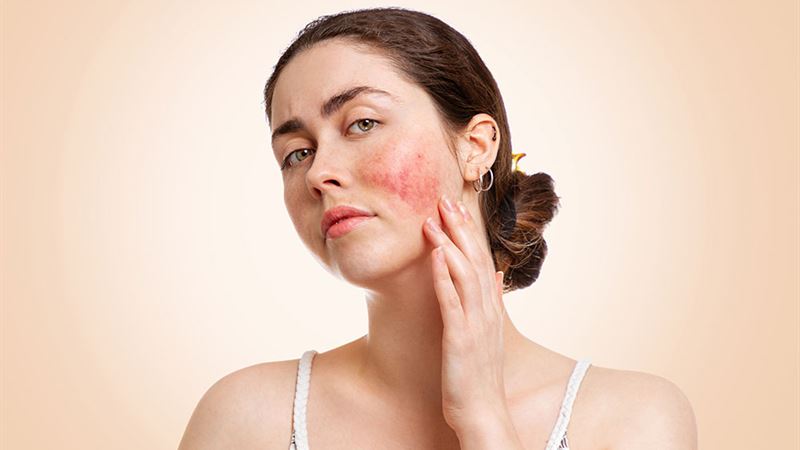
Rosacea can manifest in various ways, impacting individuals differently based on their skin type, genetic factors, and exposure to certain triggers. It is most common among fair-skinned populations but can affect anyone regardless of age or gender. Recognizing the specific type you have is crucial for tailored treatment plans that effectively alleviate symptoms and improve quality of life.
- Papulopustular Rosacea: This form is characterized by redness accompanied by acne-like breakouts and inflamed bumps. Patients often experience oily skin that is sensitive and prone to broken blood vessels. The appearance of pustules and papules can resemble acne but generally occurs without blackheads.
- Phymatous Rosacea: A less common, yet more severe subtype typically affecting males. It results in the thickening and enlargement of the skin, primarily on the nose—a condition known as rhinophyma. The skin becomes bumpy, enlarged, and may develop prominent blood vessels, giving a rough, uneven texture. Other areas such as the chin, cheeks, forehead, and ears might also be affected.
- Ocular Rosacea: This version of rosacea predominantly affects the eyes, leading to symptoms like dryness, irritation, redness, and sensitivity. Patients may experience burning or stinging sensations, blurry vision, or even cysts and broken blood vessels on eyelids, potentially risking more serious eye complications if left untreated.
While researchers have yet to discover the precise cause of rosacea, known risk factors include genetic predisposition, vascular abnormalities in facial blood vessels, and skin sensitivity. Individuals with fair skin, light eyes, and a family history of rosacea are more susceptible. Various triggers can exacerbate symptoms, such as exposure to extreme cold or heat, vigorous physical activity, emotional stress, spicy foods, alcohol consumption, and hot beverages. Sun exposure is a major trigger, emphasizing the need for sun protection.
Currently, there is no definitive cure for rosacea. However, many treatment options aim to control symptoms, reduce flare-ups, and improve skin appearance. A comprehensive approach combining lifestyle modifications and medical therapies often yields the best results.
- Topical Medications: Creams and gels containing metronidazole, azelaic acid, or ivermectin are commonly prescribed. They help reduce inflammation, redness, and bumps when applied regularly, usually once or twice daily.
- Oral Medications: For more severe or persistent cases, doctors may prescribe oral antibiotics like doxycycline or minocycline. These medications have anti-inflammatory properties that help control outbreaks and calm the skin.
- Laser and Light Therapy: Laser treatments such as intense pulsed light (IPL) are effective, especially for visible blood vessels or persistent redness. They target broken blood vessels and diminish redness, producing more uniform skin appearance.
Beyond medical treatments, managing triggers and adopting a suitable skincare routine are vital. Gentle cleansing with alcohol-free, oil-free, water-based products is recommended. Avoid skincare items with irritants such as alcohol, menthol, witch hazel, or harsh exfoliants. It’s also crucial to monitor diet, avoiding spicy foods, alcohol, and hot drinks, which can worsen symptoms. Sun protection using broad-spectrum sunscreen is essential, along with stress management techniques to minimize flare-ups. Staying hydrated and ensuring overall skin health can contribute significantly to symptom control.
Implementing daily skincare routines that focus on soothing, non-irritating products can make a significant difference. Regularly applying broad-spectrum sunscreen shields skin from sun-induced flare-ups. Remedies such as cool compresses can reduce redness during outbreaks. Additionally, lifestyle adjustments, including stress reduction, avoiding known triggers, and maintaining overall health, are crucial for long-term management. Patients are encouraged to keep a diary of flare-ups to identify personal triggers and tailor lifestyle changes accordingly. Consulting a dermatologist for personalized treatment options and regular follow-ups is recommended for optimal management of rosacea.