
Identifying When Dentures Are Necessary: Key Signs and Symptoms
Learn to identify the key signs indicating the need for dentures, from persistent tooth pain and gum issues to missing teeth and difficulty eating. Early detection and professional dental advice are essential for maintaining oral health and choosing the right restorative options.
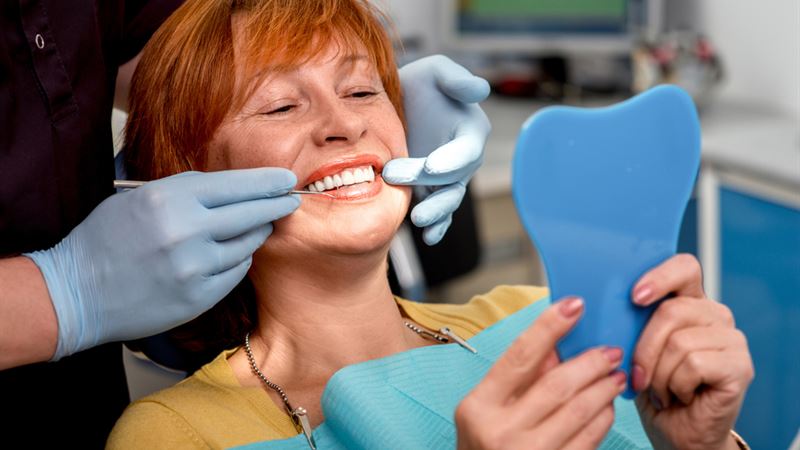
Recognizing the early warning signals that indicate a need for dental prosthetics can significantly improve your oral health and quality of life. Dentures play a crucial role in restoring functionality and aesthetics when natural teeth are lost or severely damaged. Here, we explore detailed signs that suggest it might be time to consider getting dentures, along with insights on preventive care and treatment options to maintain optimal oral health.
Consistently skipping routine dental visits is a major factor that can escalate minor dental issues into more severe problems requiring dentures. Regular checkups, ideally twice a year, enable early detection of cavities, gum disease, and other oral health concerns. Preventive care through professional cleaning and examinations helps maintain healthy teeth and gums, reducing the likelihood of tooth loss and the subsequent need for dentures.
One of the prominent indicators of advancing periodontal disease is loose or shifting teeth. When the supporting structures of the teeth weaken, teeth may become unstable, a clear sign that treatment options, including dentures, might be necessary. Additionally, the development of significant gaps between teeth due to bone loss can compromise oral function and aesthetics, making dentures a viable solution.
Chronic toothaches are often indicative of decay or infection deep within the tooth structure. Severe pain may suggest the need for root canals, extractions, and eventually, replacement by dentures if the damage is extensive. Ignoring persistent discomfort can lead to further deterioration and the necessity for more invasive dental procedures.
Red, swollen, and bleeding gums are classic signs of periodontal disease, a primary cause of tooth loss in adults. Early-stage gingivitis can often be reversed with proper dental care, but if left untreated, it can progress to periodontitis, leading to the destruction of supporting tissues and teeth loss. Dentures become an essential restorative option when natural teeth can no longer be preserved.
The loss of even a single tooth can imbalance bite forces, causing strain on neighboring teeth. When multiple teeth are missing, mastication becomes difficult, and jaw alignment may shift. Dentures serve as a practical solution to restore chewing function, maintain facial structure, and prevent further oral health issues caused by missing teeth.
If you notice that certain foods are hard to chew or swallow, it may be due to compromised dentition caused by decay, cracked teeth, or periodontal problems. While temporary food avoidance might happen for various reasons, persistent issues often signal the need for dental intervention, including the fitting of dentures to improve eating comfort and nutritional intake.
Feelings of embarrassment or reluctance to smile may stem from missing, damaged, or discolored teeth. Dental prosthetics, including various types of dentures, can help rebuild confidence by restoring a natural-looking smile. Selecting the right denture type tailored to your needs ensures improved aesthetics and self-esteem.
Understanding these signs is vital in maintaining oral health and preventing further deterioration. Timely consultation with a dental professional can help determine the appropriate treatment plan, including the potential need for dentures. Remember, proactive dental care is key to preserving your natural teeth for as long as possible and ensuring a healthy, confident smile for years to come.
- Neglecting Regular Dental Checkups
Consistently skipping routine dental visits is a major factor that can escalate minor dental issues into more severe problems requiring dentures. Regular checkups, ideally twice a year, enable early detection of cavities, gum disease, and other oral health concerns. Preventive care through professional cleaning and examinations helps maintain healthy teeth and gums, reducing the likelihood of tooth loss and the subsequent need for dentures.
- Presence of Loose Teeth or Excessive Gaps
One of the prominent indicators of advancing periodontal disease is loose or shifting teeth. When the supporting structures of the teeth weaken, teeth may become unstable, a clear sign that treatment options, including dentures, might be necessary. Additionally, the development of significant gaps between teeth due to bone loss can compromise oral function and aesthetics, making dentures a viable solution.
- Persistent and Severe Tooth Pain
Chronic toothaches are often indicative of decay or infection deep within the tooth structure. Severe pain may suggest the need for root canals, extractions, and eventually, replacement by dentures if the damage is extensive. Ignoring persistent discomfort can lead to further deterioration and the necessity for more invasive dental procedures.
- Gum Inflammation and Bleeding
Red, swollen, and bleeding gums are classic signs of periodontal disease, a primary cause of tooth loss in adults. Early-stage gingivitis can often be reversed with proper dental care, but if left untreated, it can progress to periodontitis, leading to the destruction of supporting tissues and teeth loss. Dentures become an essential restorative option when natural teeth can no longer be preserved.
- Missing Teeth and Functional Challenges
The loss of even a single tooth can imbalance bite forces, causing strain on neighboring teeth. When multiple teeth are missing, mastication becomes difficult, and jaw alignment may shift. Dentures serve as a practical solution to restore chewing function, maintain facial structure, and prevent further oral health issues caused by missing teeth.
- Difficulty Eating Certain Foods
If you notice that certain foods are hard to chew or swallow, it may be due to compromised dentition caused by decay, cracked teeth, or periodontal problems. While temporary food avoidance might happen for various reasons, persistent issues often signal the need for dental intervention, including the fitting of dentures to improve eating comfort and nutritional intake.
- Self-Consciousness About Your Smile
Feelings of embarrassment or reluctance to smile may stem from missing, damaged, or discolored teeth. Dental prosthetics, including various types of dentures, can help rebuild confidence by restoring a natural-looking smile. Selecting the right denture type tailored to your needs ensures improved aesthetics and self-esteem.
Understanding these signs is vital in maintaining oral health and preventing further deterioration. Timely consultation with a dental professional can help determine the appropriate treatment plan, including the potential need for dentures. Remember, proactive dental care is key to preserving your natural teeth for as long as possible and ensuring a healthy, confident smile for years to come.