
Comprehensive Guide to Dentures: Benefits and Challenges
This comprehensive article explores the advantages and challenges of using dentures. It highlights how dentures enhance your smile, improve speech and chewing, support facial muscles, and are now more affordable thanks to modern technology. However, it also discusses the adjustment process, potential for slipping, maintenance needs, and ongoing costs. Understanding these factors can help you make an informed decision about dentures, ensuring you choose the best solution for your dental health and lifestyle. Expert consultation is recommended for personalized advice.
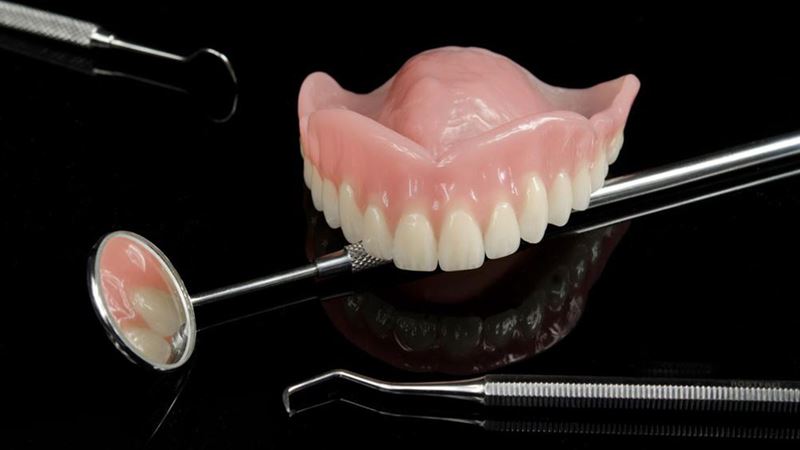
The Advantages of Choosing Dentures
- Enhancing Your Smile: Dentures can significantly improve the appearance of your smile, restoring confidence and aesthetic appeal. Modern advancements have made these prosthetics look highly natural, blending seamlessly with your existing teeth and facial features.
- Facilitating Easier Eating and Chewing: One of the primary reasons for choosing dentures is their ability to restore proper chewing function. This allows you to enjoy a wider variety of foods without discomfort or difficulty, improving your nutrition and overall health.
- Improving Speech Clarity: Missing teeth can impact pronunciation and speech. Dentures provide support to your facial muscles, which helps in reducing speech impediments caused by tooth loss, leading to clearer communication.
- Supporting Facial Structure: Dentures help maintain the integrity of your facial muscles and bones, preventing sagging and aging signs by providing necessary support, which can make you look more youthful.
- Advanced Technology and Cost Effectiveness: Modern denture fabrication utilizes cutting-edge technology, making them more affordable than ever while achieving a highly natural appearance. This technological progress has democratized access to quality dental prosthetics.
Potential Drawbacks and Considerations of Dentures
- Adjustment Period: Transitioning to dentures requires patience. Initially, it may take multiple visits to your dentist to select and properly fit the prosthetics, ensuring comfort and functionality.
- Gum and Oral Health: The health of your gums is crucial. Poor gum health can complicate denture fitting and longevity, often necessitating additional treatments or adjustments.
- Adaptation and Learning Curve: Getting accustomed to eating and speaking with dentures takes time and practice. It’s normal to experience some difficulty in the beginning as your mouth learns to accommodate the new appliance.
- Potential Slipping and Discomfort: Occasionally, dentures may slip or shift, especially if not fitted properly. This can cause discomfort and may incur additional costs for adjustments or repairs.
- Sensitivity Limitations: Unlike natural teeth, dentures don’t have nerve endings, so they don’t detect temperature extremes or hard foods directly, which requires caution while eating hot or cold foods.
- Fragility and Maintenance: Dentures are delicate and can break if mishandled. They require careful handling, frequent cleaning, and proper storage—preferably overnight—to prevent infections.
- Replacement Needs: As you age, changes in your facial muscles and bone structure might demand new dentures, leading to ongoing expenses and adjustments over time.
Ultimately, deciding to get dentures is a personal choice that hinges on individual convenience, health status, and financial considerations. It’s essential to consult with your dental professional to weigh the benefits and challenges tailored to your specific needs.