
Essential Indicators Indicating Your Need for an Oil Change
Learn to identify key signs indicating when your vehicle needs an oil change. From dark oil color to dashboard warning lights, this comprehensive guide helps vehicle owners maintain their engine's health, improve performance, and avoid costly repairs through timely oil maintenance. Recognizing these indicators early can help prolong your car’s lifespan and ensure smooth driving experiences.
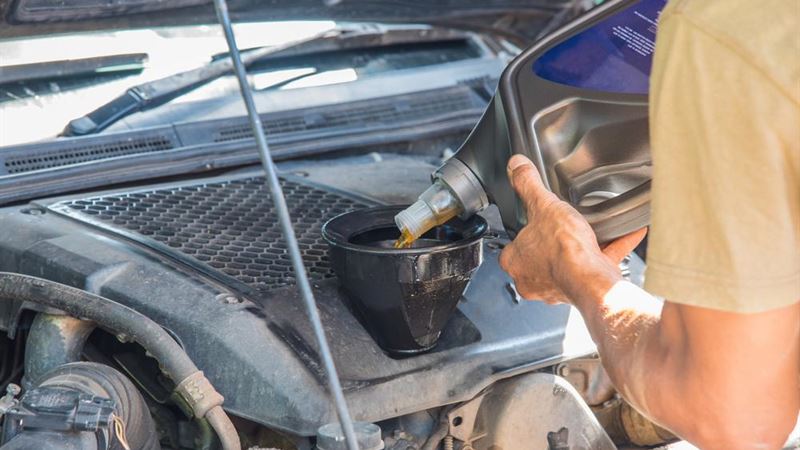
- Dark and Dirty Oil
- Improper Engine Performance
- Loud Engine Noises
- Unfamiliar Vibrations or Rough Running
- Oil Change Reminder Light
Oil Color Change and Consistency
Engine oil typically starts with a clear amber or golden hue, signaling fresh, clean oil ready to lubricate your engine efficiently. Over time, as the oil performs its function, it accumulates dirt, metal particles, and combustion byproducts, leading to a noticeable darkening of its color. When oil turns jet black, it’s a clear sign that the oil has degraded and lost its protective qualities. Dark, thick oil can hinder proper lubrication, causing increased friction, overheating, and accelerated wear of engine components.
Ignoring such a sign can lead to engine overheating, corrosion, and even complete engine failure. To prevent such issues, it’s recommended to check your oil regularly—ideally once a month—and schedule an oil change if the oil appears black or gritty. Every vehicle has a recommended oil change interval, often measured in miles or months, but visual inspection provides an immediate indication that your oil needs replenishing.
Loud Engine Noises and Strange Sounds
One of the most noticeable signs of poor lubrication is increased engine noise. When oil is old or insufficient, it fails to create a proper lubricating film between moving parts. This results in metal-to-metal contact, which produces knocking, ticking, or grinding sounds during engine operation. You may also notice vibrations that weren’t there before, indicating uneven engine performance.
If your vehicle's engine is louder than usual or if you hear knocking sounds, it’s a red flag. Continuing to drive in this condition risks damaging pistons, valves, and bearings, leading to high repair costs. Addressing these symptoms promptly—by getting an oil change—can restore smooth engine operation and prevent severe damage.
Memory Lapse About Last Oil Change
Many drivers forget the last time they had their oil changed, especially if they haven’t kept detailed maintenance records. This forgetfulness can lead to neglecting routine oil changes, which are critical for engine health. Most vehicles require an oil change anywhere between 3,000 to 7,500 miles, depending on the type of oil used and driving conditions. If you can’t recall the last oil change, it’s safer to schedule an appointment for inspection and replacement.
Neglecting this step can result in engine sludge buildup, decreased performance, and increased fuel consumption. Regular maintenance ensures your engine runs efficiently and can help you avoid unexpected breakdowns and expensive repairs. It’s a smart move to keep a maintenance log or set reminders for future oil changes to stay ahead of potential issues.
Dashboard Warning Lights
Modern vehicles come equipped with advanced diagnostic systems that monitor engine health and alert drivers when maintenance is needed. The oil pressure warning light or the oil change indicator is designed to notify you when your vehicle detects low oil pressure or when the oil is no longer effective. If this light illuminates on your dashboard, it’s crucial to address it immediately by stopping the vehicle safely and checking the oil level and quality.
Sometimes, the warning light indicates a more serious problem with the oil pressure sensor or the oil pump, but in most cases, a simple oil change can resolve the issue. Ignoring dashboard alerts can lead to engine damage, so always take warning signals seriously and act promptly.
Conclusion
Proper maintenance is key to extending the lifespan of your vehicle and ensuring it performs optimally. Regularly inspecting your engine oil and being attentive to signs like dark oil, unusual noises, and dashboard warnings can help you identify when it’s time for an oil change. By staying proactive with your vehicle’s maintenance, you not only protect your investment but also enjoy safer and more efficient driving experiences. Remember, timely oil changes are an affordable way to preserve your engine’s health and prevent costly repairs. Make it a habit to check your oil regularly and follow the recommended maintenance schedule offered by your vehicle manufacturer.