
Essential Guide to Car Lubricants: Types, Importance, and Savings Tips
This comprehensive guide explores various car lubricants, emphasizing their importance for vehicle performance and longevity. Learn about different types of lubricants, their roles, and tips for saving money through coupons. Regular maintenance and proper lubrication are key to avoiding costly repairs and ensuring your vehicle stays in top shape over time. Discover the best practices for selecting and replacing lubricants, along with practical advice on where to find discounts and deals for routine service needs, helping you keep your car running smoothly and efficiently.
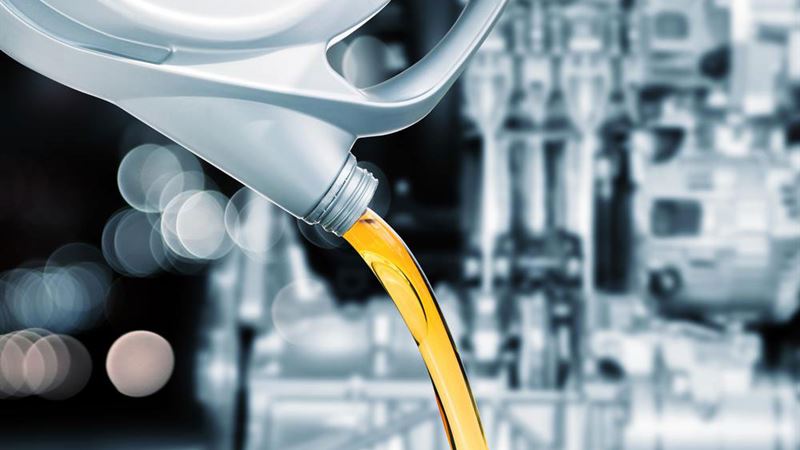
Understanding the Different Types of Car Lubricants
Vehicles require various lubricants tailored to specific parts, each with unique properties and functions. Using the correct lubricant for each component enhances performance and prevents premature wear. The quality of lubricant is equally crucial; inferior products can compromise your vehicle’s health and lead to expensive repairs. Proper selection and timely replacement of lubricants ensure your vehicle remains in peak condition.
• Engine oil, perhaps the most vital lubricant, is regularly changed during scheduled service intervals to keep the engine running smoothly.
• Transmission oil and differential oil also require regular replacement to maintain optimal performance.
• Certain parts like ball joints, universal joints on the tail shaft, clutch forks, pivot balls, and brake caliper slides require periodic lubrication. These components do not need frequent oil changes but still need attention to prevent wear.
Keep an eye out for oil change coupons available at local service stations or online; these deals can slash costs by up to 90%, offering significant savings for routine maintenance.
• Motor oil is the core lubricant in any vehicle. For best results, replace it approximately every 1,000 miles or as recommended by your vehicle manufacturer. Consult a professional to select the appropriate oil type—synthetic, semi-synthetic, or conventional—based on your engine’s specifications. Many oil brands offer discount coupons, making it more affordable to use top-tier products.
• Grease forms a thick lubrication layer that ensures parts stay well-oiled, minimizing friction, preventing squealing noises, and reducing premature wear. Regular greasing is essential for moving parts like chassis joints and wheel bearings; many gas stations and auto shops offer discounts on grease applications and oil change coupons.
• Transmission fluid lubricates the moving parts within your gearbox and differential, aiding in cooling and preventing rust formation. Most transmission fluids are colored for easy leak detection, allowing quick repairs if needed.
Regularly replacing these vital fluids is not just about maintaining performance—they’re crucial for extending your vehicle’s lifespan. Skipping scheduled lubrication or fluid checks can lead to costly repairs, downtime, and decreased safety.
Remember, a well-lubricated vehicle operates efficiently, saves fuel, reduces emissions, and provides a reliable driving experience. Prioritize routine maintenance, stay informed about promotional deals, and use quality lubricants for optimal vehicle health and longevity.