
Recognizing Early Symptoms of Rheumatoid Arthritis for Prompt Diagnosis
This comprehensive article details the early signs of rheumatoid arthritis, including joint swelling, stiffness, redness, and systemic symptoms such as fatigue and fever. Recognizing these symptoms early enables prompt diagnosis and treatment, preventing severe joint damage and improving quality of life. The article emphasizes the importance of consulting healthcare professionals for proper evaluation and highlights the difference between RA and similar conditions. Stay informed about the early symptoms to ensure timely intervention and better disease management.
Understanding Rheumatoid Arthritis and Its Early Indicators
Rheumatoid arthritis (RA) is a chronic autoimmune disorder characterized by systemic inflammation primarily affecting the joints. Recognizing early signs is crucial for timely intervention, which can slow disease progression and improve quality of life. RA can develop silently, with symptoms that are sometimes mistaken for other conditions. This comprehensive guide explores the various physical and systemic indicators that can signal the onset of rheumatoid arthritis, helping individuals seek prompt medical attention.
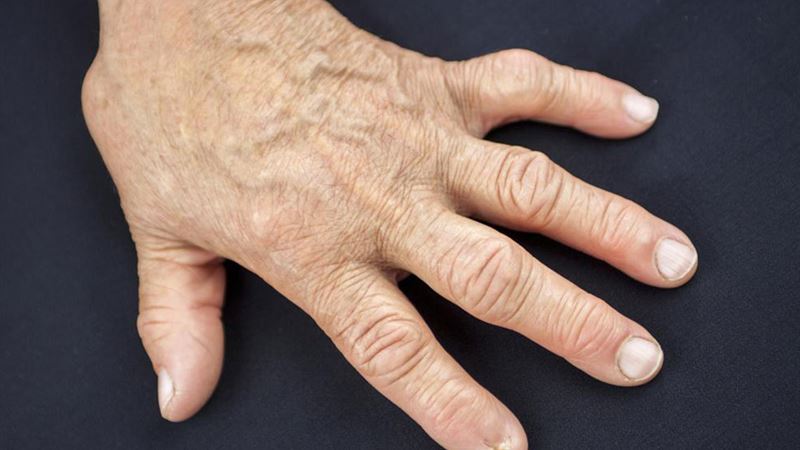
Key Physical Symptoms of Early Rheumatoid Arthritis
- Joint Swelling and Tenderness
The initial manifestation often involves swelling in joints, which can range from subtle to pronounced. Swollen joints may cause discomfort, stiffness, and a reduced ability to perform daily activities. Hands are commonly affected, leading to difficulty in tasks like removing rings or gripping objects. Swelling occurs due to synovial membrane inflammation, which may lead to joint erosion if untreated. - Morning Stiffness
A hallmark symptom is stiffness in affected joints that persists for more than an hour in the morning. This stiffness results from inflammation and fluid buildup within the joint capsule. Over time, persistent stiffness may become more widespread, potentially lasting throughout the day in chronic stages, impairing mobility and independence. - Reduced Range of Motion
Inflammation causes joints to become stiff and less flexible. Individuals may find it difficult to fully extend or bend affected joints, which can hinder simple activities like dressing or writing. Persistent joint stiffness can lead to permanent deformities if the condition advances unnoticed. - Redness and Warmth
Inflamed joints tend to become visibly red and feel warm to the touch due to increased blood flow to the affected area. These signs are often localized but can sometimes be accompanied by systemic warmth, indicating active inflammation. - Joint Deformities
In severe, unattended cases, chronic RA can cause irreversible joint deformities. This includes ulnar deviation, boutonnière deformity, and swan-neck deformity, resulting from cartilage destruction and bone erosion. These deformities significantly impair function and often require surgical correction.
Additional Early and Systemic Symptoms
- Multiple Joint Involvement
RA often affects more than four joints simultaneously—a condition called polyarthritis. It tends to be symmetrical, meaning if one side of the body is affected, the opposite side is usually involved as well. - Associated Symptoms and Warning Signs
Early RA may present with symptoms that overlap with other conditions. Ongoing fatigue, unexplained weight loss, low-grade fevers, and general malaise may precede prominent joint issues. Persistent numbness, tingling sensations in the hands, heel pain, and stiffness in the jaw or neck can also be early clues. - Extra-Articular Manifestations
As RA progresses, it can cause symptoms beyond the joints. These include nodules under the skin near affected joints, lung inflammation leading to shortness of breath, and inflammation of the blood vessels resulting in skin changes or nerve damage. Such systemic involvement indicates advanced disease requiring urgent medical attention. - Flare-Ups and Remission Cycles
Patients often experience periods of exacerbation, known as flare-ups, followed by remission. During flare-ups, symptoms intensify, with increased swelling, pain, and fatigue. Recognizing patterns can aid in managing disease activity and planning treatment.
Distinguishing Rheumatoid Arthritis from Similar Conditions
- Fibromyalgia-Like Symptoms
Early RA can sometimes mimic fibromyalgia, presenting with widespread pain, fatigue, and tenderness, but unlike fibromyalgia, RA involves inflammation, which can be detected through blood tests and imaging. - Sjogren’s Syndrome
This autoimmune disorder often coexists with RA. It causes dry eyes, dry mouth, and sensitivity to light. Patients may also experience gum infections and increased dental decay. - Lung and Blood System Involvement
Some RA patients develop lung inflammation, leading to shortness of breath, and vasculitis, which affects blood vessels. Blood tests may reveal anemia, characterized by low red blood cell counts, contributing to fatigue and pallor.
The Importance of Early Detection and Consultation
Many symptoms of rheumatoid arthritis can overlap with other autoimmune or degenerative diseases, making accurate diagnosis essential. If you notice persistent joint pain, swelling, stiffness, or systemic symptoms, consulting a rheumatologist promptly can lead to early intervention. Proper diagnosis involves thorough clinical evaluation, blood tests such as rheumatoid factor (RF) and anti-CCP antibodies, and imaging studies like X-rays or MRI.
Early management with disease-modifying antirheumatic drugs (DMARDs) and lifestyle modifications can prevent joint damage, improve function, and enhance overall quality of life. Awareness of the subtle signs and systemic symptoms is vital for individuals at risk or experiencing early symptoms.
In conclusion, recognizing the early indicators of rheumatoid arthritis is essential for timely diagnosis and effective treatment. Be vigilant about joint swelling, stiffness, redness, and systemic signs such as fatigue and fever. Early intervention can significantly alter the disease course, helping prevent joint destruction and maintain mobility for years to come.