
Comprehensive Guide to Lung Cancer Risk Factors and Prevention Strategies
This comprehensive article explores key risk factors for lung cancer, including smoking, secondhand smoke, radon exposure, and dietary influences. It offers detailed advice on prevention strategies such as quitting smoking, testing for radon, and maintaining a healthy diet. Early detection and environmental precautions are emphasized to reduce lung cancer risk. The guide aims to educate individuals on how lifestyle choices and environmental factors impact lung health, providing practical steps to minimize risk and promote respiratory well-being for a longer, healthier life.
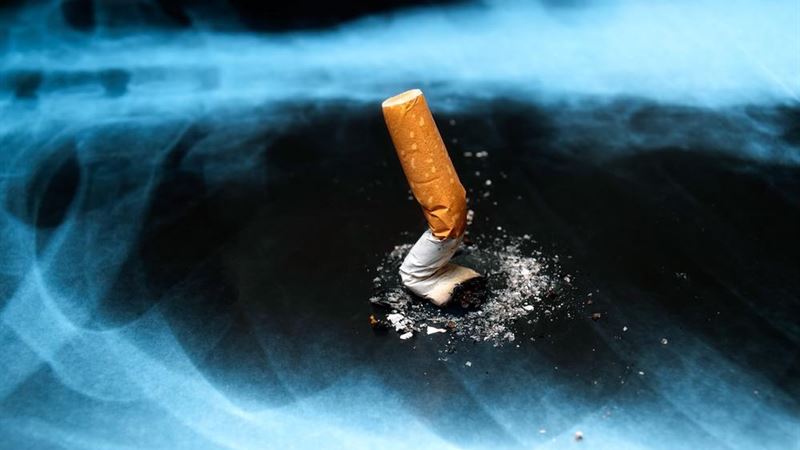
The most prominent cause of lung cancer is smoking. It accounts for the majority of cases globally, with both active smokers and passive exposure posing serious health risks. Cigarette smoke contains thousands of chemicals, many of which are carcinogenic. The risk heightens with the duration and intensity of smoking, but even casual or occasional smoking can increase the likelihood of developing lung malignancies.
Smoking and Secondhand Smoke Exposure: Cigarette smoking is unequivocally the leading cause of lung cancer. However, it's not just active smokers who are vulnerable; those who inhale secondhand smoke are also at significant risk. Secondhand smoke contains the same dangerous chemicals as firsthand smoke, which can damage lung tissue over time. People living or working in environments filled with tobacco smoke are at elevated risk, especially children and sensitive individuals. Protecting yourself by avoiding smoking zones and encouraging smoke-free environments is essential for lung health.
For smokers, quitting is the most effective way to reduce risk. Utilizing cessation programs, nicotine replacement therapies, and seeking support from healthcare providers can greatly assist in quitting. Moreover, smoking outdoors or in designated areas away from non-smokers minimizes environmental harm and health risks for others.
Radon Exposure: Radon is a radioactive, colorless, odorless, and tasteless gas that emanates from the decay of uranium in soil and rocks. It's commonly found in homes, especially in basements and lower levels, and can accumulate to unsafe levels if not properly ventilated. Radon is the second leading cause of lung cancer after smoking, responsible for about 30% of cases.
Detecting radon levels is straightforward with professional testing services or easy-to-use home testing kits. If elevated radon levels are discovered, steps such as improving ventilation, sealing entry points, or installing radon mitigation systems can significantly reduce exposure. Employers should also test workplaces, particularly in basements and ground-floor areas, and take corrective actions when necessary to protect employees.
Dietary Factors and Supplementation: Nutrition plays an important role in overall cancer risk, but some dietary supplements may paradoxically increase lung cancer risk. Beta carotene, a pigment found abundantly in orange and yellow vegetables like carrots and sweet potatoes, is a precursor to vitamin A. While dietary beta carotene is generally beneficial, supplementing with high doses of beta carotene in pill form has been linked to increased lung cancer risk, especially among smokers.
Recent scientific studies have highlighted that high-dose beta carotene supplements may promote carcinogenesis in lung tissue, counteracting their initial reputation as protective agents. Therefore, it is advisable to obtain nutrients through a balanced diet rather than relying heavily on supplements, particularly if you have risk factors for lung cancer.
Other Environmental and Occupational Exposures: Beyond smoking and radon, exposure to asbestos, certain heavy metals, and industrial emissions can also damage lung tissue and increase cancer risk. Workers in construction, mining, manufacturing, and chemical industries should utilize protective gear and follow safety regulations to minimize inhalation of hazardous substances.
Air pollution from vehicles, factories, and modern urban environments adds to the cumulative risk. Wearing masks in polluted areas and advocating for cleaner air policies can help reduce individual exposure.
Prevention strategies are multifaceted, involving lifestyle modifications, regular health check-ups, and environmental controls. Quitting smoking, testing and mitigating radon, maintaining a healthy diet, and reducing exposure to harmful chemicals are effective steps. Early detection through regular screening, especially for high-risk individuals, can significantly increase survival rates and treatment success.
In summary, understanding and managing the risk factors associated with lung cancer is crucial. By staying informed and proactive, individuals can reduce their likelihood of developing this serious disease and improve their overall lung health. Adopting healthier habits and advocating for safer environments are collective actions that can lead to better public health outcomes.