
Comprehensive Strategies and Treatments for Managing COPD Effectively
This comprehensive guide explores various treatment strategies for COPD, emphasizing medication, lifestyle changes, therapies, and natural remedies. It highlights the importance of early diagnosis, personalized treatment, and holistic approaches to manage symptoms, slow disease progression, and improve quality of life. From quitting smoking to nutritional support, discover effective ways to combat COPD and maintain respiratory health long-term.
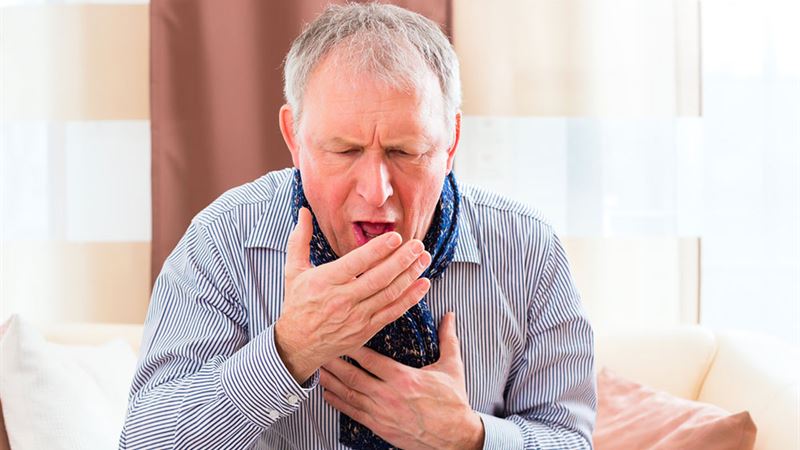
- Coughing, often with mucus production
- Wheezing during breathing
- Persistent shortness of breath
- Chest tightness and discomfort
- Frequent respiratory infections
- Fatigue and general weakness
- Sudden unintentional weight loss
- Changes in sputum color, often yellow or green
- Swelling in ankles, feet, or legs
- Anxiety and panic related to breathing issues
- Fluid retention in the extremities
- Sleep disturbances and difficulty resting
- Heightened sensitivity to cold temperatures
Understanding Causes and Risk Factors The origins of COPD are multifaceted and can differ significantly from person to person. Effective treatment plans hinge on assessing individual symptoms and underlying causes. The following are primary contributors to the development of COPD:
- Smoking
Smoking remains the leading cause of COPD globally. Tobacco smoke irritates and damages the lungs over time, leading to airway inflammation and destruction of lung tissue. Whether cigarettes, cigars, or pipe tobacco, increased exposure correlates directly with higher risk. Importantly, passive smoking—being around smokers—also elevates COPD risk due to ambient inhalation of toxic fumes. - History of Asthma
Uncontrolled or poorly managed asthma can lead to permanent lung damage. This pre-existing condition makes the lungs more vulnerable to inflammation, especially if combined with smoking, further raising the risk of COPD. - Environmental Pollution
Airborne pollutants such as chemical fumes, dust, and vapors contribute significantly to lung inflammation. Prolonged exposure to substances like cadmium dust, silica, welding fumes, or coal dust can cause lung tissue damage, initiating COPD development. - Genetic Factors
Inherited genetic conditions, notably alpha-1 antitrypsin deficiency, play a critical role. This genetic defect impairs the lungs' ability to repair and protect themselves against environmental insults, increasing susceptibility to COPD even in nonsmokers.
- Lifestyle Changes and Risk Reduction
Foremost among these is smoking cessation. Quitting smoking halts further lung damage and can improve lung function over time. It might be challenging, but support from healthcare providers, nicotine replacement therapy, medications, and counseling make the process feasible. Avoiding secondhand smoke and limiting exposure to environmental irritants are equally vital. - Pharmacological Treatments
Medications form the backbone of COPD management, tailored to the patient’s specific symptoms and disease stage. These include:
- Bronchodilators
Inhaled medications that relax airway muscles, easing breathing difficulties. Short-acting bronchodilators such as Albuterol (ProAir HFA, Ventolin HFA), Ipratropium (Atrovent HFA), and Levalbuterol (Xopenex) are used for immediate relief. Long-acting variants, like Tiotropium (Spiriva), Salmeterol (Serevent), and Umeclidinium (Incruse Ellipta), provide sustained symptom control. - Inhaled Steroids
Used to reduce airway inflammation, especially in frequent exacerbators. Examples include Fluticasone (Flovent HFA) and Budesonide (Pulmicort Flexhaler). Side effects may include oral thrush and hoarseness. - Combination Inhalers
These combine bronchodilators and steroids, such as Fluticasone with Vilanterol (Breo Ellipta) or Symbicort (Formoterol with Budesonide), offering comprehensive symptom management. - Oral Steroids
Prescribed during severe exacerbations to swiftly control symptoms. Long-term use is discouraged due to side effects like osteoporosis, weight gain, and increased infection risk. - Phosphodiesterase-4 Inhibitors
Roflumilast (Daliresp) reduces airway inflammation and is suitable for severe COPD cases. - Theophylline
An affordable oral bronchodilator option for some, though monitoring for adverse effects such as nausea and tremors is necessary. - Antibiotics
Antibiotics such as Azithromycin may be used to treat and prevent infections that exacerbate COPD symptoms, including pneumonia and bronchitis.
- Therapeutic Interventions
Beyond medications, therapies strengthen lungs and enhance overall wellbeing:
- Oxygen Therapy
Essential when blood oxygen levels are low, oxygen supplementation can be delivered via portable devices, often used during activities or overnight. It improves quality of life and prolongs survival. - Pulmonary Rehabilitation
Comprehensive programs combining education, personalized exercise plans, nutritional advice, and psychological support. They aim to boost physical endurance, reduce symptoms, and elevate mental health.
- Surgical Options
As a last resort, surgical interventions are considered for advanced COPD cases:
- Lung Volume Reduction Surgery
Removing diseased, damaged parts of the lungs to improve function and breathing efficiency. - Lung Transplantation
For end-stage COPD, transplant can restore respiratory function. This involves lifelong immunosuppressants and risk of organ rejection. - Bullectomy
Removing large air sacs (bullae) that hinder airflow and cause lung compression.
- Enhance Indoor Air Quality
Minimize exposure to fumes, dust, pet dander, mold, and chemical cleaners. Use air purifiers, ensure proper ventilation, and keep living spaces clean and dust-free. - Breathing and Relaxation Exercises
Techniques such as pursed-lip breathing, diaphragmatic breathing, and mindfulness reduce breathlessness, improve oxygenation, and decrease stress. - Stress Management
Engage in activities that promote mental wellbeing: meditation, listening to music, yoga, or light walks can alleviate anxiety linked to breathing difficulties. - Nutrition and Diet
Proper nutrition reinforces immune function and maintains muscle strength. Incorporate nutrient-dense foods tailored for energy needs and lung support.
- Whole Grains
Favor high-fiber options such as oats, quinoa, brown rice, oats, millet, and barley to avoid excessive carbohydrate intake that may increase carbon dioxide production. - Low-Fat Dairy
Including milk, yogurt, and cheese helps meet calorie and calcium requirements without excess saturated fats. - Healthy Fats
Incorporate omega-3 fatty acids from nuts, seeds, and fish, as they reduce inflammation and support lung health. - Fruits and Vegetables
Rich in antioxidants, vitamins, and phytochemicals, these foods help combat oxidative stress and inflammation—examples include berries, oranges, spinach, and broccoli. - Legumes and Beans
Excellent sources of fiber, zinc, and plant-based protein, beneficial for immune function and lung tissue repair. - Nutritious Proteins
Lean meats, fish, eggs, and dairy supply essential amino acids needed for muscle maintenance and immune strength.
Effective management of COPD involves not only medication adherence and surgery when necessary but also lifestyle modifications, nutritional support, and mental health care. Early recognition of symptoms and prompt medical consultation are vital to prevent disease progression. Combining conventional treatments with natural methods fosters a holistic approach that aims to improve respiratory function, reduce exacerbations, and enhance overall quality of life for COPD sufferers.