
Effective Strategies for Removing Dental Plaque at Home Naturally
Discover comprehensive, natural methods to effectively remove dental plaque at home. Learn about causes, risks, and practical tips including flossing, herbal rinses, and dietary adjustments. Regular dental care combined with these easy techniques can help prevent tartar buildup, cavities, and gum disease, ensuring healthy teeth and gums for life. Empower yourself with simple yet powerful habits to maintain optimal oral hygiene and avoid costly dental treatments. Perfect for those seeking safe, natural, and cost-effective ways to improve their dental health from comfort of their home.
Understanding Dental Plaque and Its Causes
- Dental plaque is a sticky, colorless film that constantly forms on your teeth. Its primary culprit is bacteria that live naturally in the oral cavity. These bacteria thrive on leftover food particles, especially sugars and starches, that remain after eating. This environment provides the perfect breeding ground for bacteria to multiply rapidly.
- The combination of food debris and saliva creates a moist, nutrient-rich environment which fosters bacterial proliferation, leading to plaque accumulation over time. It is virtually impossible to prevent plaque formation entirely, but regular cleaning can keep it under control.
- In addition to food particles, poor oral hygiene habits and irregular dental visits accelerate plaque buildup, increasing the risk of dental issues.
Can Dental Plaque Harden Into Tartar? What You Need to Know
- If plaque is not removed promptly, it can harden into tartar, also known as calculus, which adheres firmly to the tooth surface. Tartar formation begins within 24 to 72 hours when minerals from saliva mineralize the plaque.
- The hardening process makes it difficult to remove plaque with regular brushing and flossing. Once tartar forms, it requires professional dental cleaning to be effectively removed.
- Most adults develop some degree of tartar, which can cause ongoing oral health issues if neglected.
Potential Problems Resulting from Plaque Accumulation
- Persistent plaque buildup can lead to numerous dental ailments. Including cavities or dental caries, which develop as plaque acids erode enamel.
- Gingivitis, an early stage of gum disease, is characterized by red, swollen, and bleeding gums caused by bacterial irritation from plaque.
- Over time, untreated gingivitis can progress to periodontitis, leading to gum recession, bone loss, and tooth loss.
- Poor hygiene and plaque accumulation can also cause persistent bad breath, often referred to as halitosis.
Home Remedies and Techniques for Removing Dental Plaque
- Simple and effective plaque removal at home primarily involves the use of dental floss and proper brushing techniques.
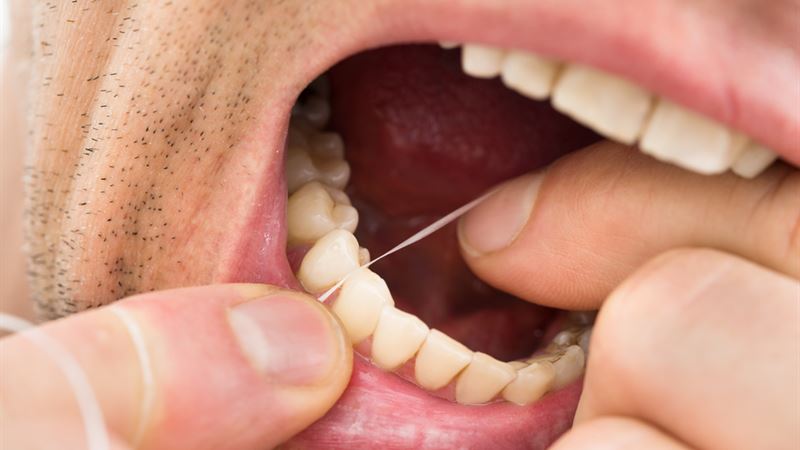
- First, take about 18 to 20 inches of dental floss and wind it around the middle fingers of both hands, leaving a few inches of slack in between.
- Hold the floss tightly with your thumbs and forefingers. Carefully slide the floss between your teeth, forming a C-shape around each tooth.
- Gently move the floss up and down, ensuring contact with the sides of each tooth and beneath the gum line. Repeat this process for all teeth, being cautious not to cause gum injury.
- After flossing, brush your teeth thoroughly using a fluoride toothpaste to remove any residual plaque and food debris.
- Maintain a gentle pressure to prevent gum irritation, especially when cleaning the back teeth and hard-to-reach areas.
Additional Tips for Enhancing Plaque Removal at Home
- Create a natural toothpaste using baking soda and salt; this abrasive mixture can aid in plaque removal while being gentle on enamel.
- Prepare a cleansing rinse by mixing one cup of water with half a cup of baking soda, adding a tablespoon each of aloe vera gel, lemon essential oil, and four tablespoons of glycerin. Use this as a mouthwash or apply it directly on your toothbrush for daily use.
- Rub orange peel over teeth after eating oranges to leverage natural acids that help in breaking down plaque and strengthening enamel.
- Chewing sesame seeds can serve as a natural abrasive to scrub away plaque. Be sure to spit out the seeds and follow up with a thorough brushing.
- Mix equal parts vinegar, water, and salt to create a natural cleaning solution. Use it for rinsing or brushing to help reduce plaque and bacterial growth.
The Importance of Regular Dental Care
- Despite these home remedies, regular dental check-ups are crucial. Professional cleaning removes hardened tartar and addresses any underlying issues before they worsen.
- Adopt consistent oral hygiene practices, including twice-daily brushing, daily flossing, and routine dental visits to sustain optimal oral health.
- Limit sugary foods and drinks, which fuel bacterial growth and plaque accumulation, and opt for balanced diets rich in fruits and vegetables.
- Using mouth rinses containing antibacterial agents can further control plaque formation and maintain fresh breath.
Taking proactive steps to manage plaque at home can lead to healthier teeth and gums, reducing the risk of more serious dental problems down the line. Remember, good oral hygiene is key to your overall health and confidence.