
Effective Home Remedies for Managing Keratosis Pilaris
Discover comprehensive home remedies for keratosis pilaris, including exfoliation, natural oils, oatmeal, and vinegar. Learn how to effectively improve skin texture and reduce bumps with safe, natural treatments. Regular application and patience are key to smoother, healthier skin without the need for medicated creams or expensive treatments.
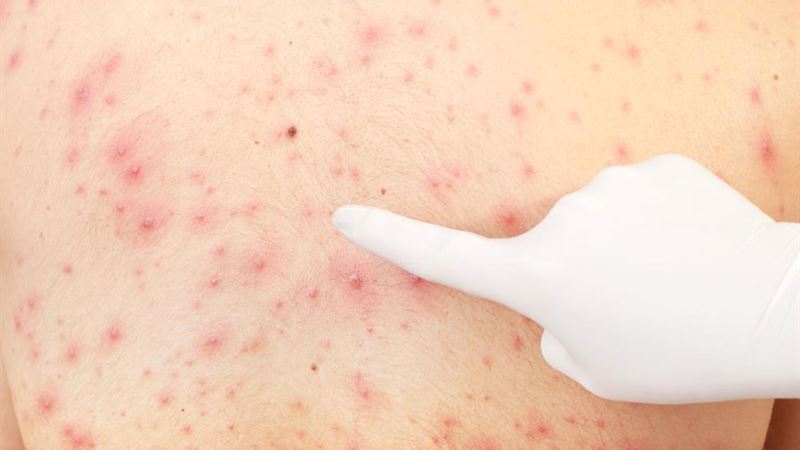
Many individuals struggle with unsightly skin bumps, especially on the arms and thighs, which can make wearing certain clothes uncomfortable. Fortunately, there are numerous straightforward methods to reduce the appearance of these bumps from the comfort of your home. Understanding the right treatments can help improve your skin’s texture and restore your confidence.
Regular Skin Exfoliation
One of the most popular and accessible ways to tackle keratosis pilaris is through consistent exfoliation. This process helps remove dead skin cells that clog pores and trap keratin deposits, which are responsible for those rough, bumpy patches. Regular exfoliation not only promotes healthier skin but also allows your skin to breathe better, reducing the appearance of bumps over time. When exfoliating, you're facilitating the shedding of the outermost layer, encouraging fresh, smooth skin to emerge.
Exfoliation can be performed using mechanical or chemical methods. Mechanical exfoliation involves manually scrubbing the skin with tools like loofahs, brushes, or gentle scrubber pads. Chemical exfoliants, on the other hand, use acids or enzymes to dissolve dead cells without harsh scrubbing. It's essential to choose a method suitable for your skin type and to avoid overdoing it, as excessive exfoliation can cause irritation, dehydration, and increased roughness.
Gentle Scrubbing Techniques
Using a soft loofah, sponge, or washcloth during your bath can help loosen and remove excess keratin deposits gently. For sensitive skin, opt for a konjac sponge, which is known for being exceptionally gentle. When scrubbing, do so in small, circular motions without applying too much pressure. Rushing or using rougher tools can lead to skin irritation, rashes, and swelling of hair follicles. If you want to target stubborn bumps, consider using slightly rougher scrubs but always monitor your skin's response.
Remember, the goal is to even out skin texture gradually, not to strip away layers aggressively. Regular, gentle scrubbing can significantly improve skin smoothness over several weeks, especially when combined with moisturizing care afterward.
Nourishing Oils for Skin Hydration
In addition to exfoliation, keeping your skin moisturized is crucial. Natural oils such as olive oil and coconut oil are highly effective in nurturing dry, rough skin caused by keratosis pilaris.
Olive Oil and Salt Mixture
Mix two tablespoons of high-quality olive oil with three tablespoons of sea salt to create an abrasive, exfoliating paste. Gently massage this mixture onto affected areas for a few minutes, then rinse thoroughly. The salt acts as an exfoliant, removing dead skin cells, while the olive oil deeply moisturizes, restoring hydration to your skin. Repeat this treatment 2-3 times weekly to see noticeable improvements in skin texture.
Coconut Oil as a Natural Remedy
Coconut oil is lauded for its anti-inflammatory and hydrating properties. It can be used as a substitute or complement to olive oil when combined with salt or brown sugar for gentle exfoliation. Applying coconut oil directly onto the skin also provides long-lasting hydration and can soothe irritation, making it particularly suitable for sensitive skin types. Its rapid absorption helps maintain moisture and prevent dryness that often accompanies keratosis pilaris.
Oatmeal for Mild Exfoliation
Oatmeal is a natural, soothing ingredient known for its gentle exfoliating qualities. You can prepare an oatmeal scrub by blending a few tablespoons of oats with water or milk to create a paste. Apply this mixture to the affected areas using circular motions, then rinse with lukewarm water. Alternatively, tie some oats in a muslin cloth and scrub gently during your bath. Oatmeal not only helps smoothen rough patches but also calms inflamed skin, reducing redness and irritation.
After exfoliating, applying a moisturizer helps lock in hydration. Look for products containing ceramides or hyaluronic acid for optimal skin barrier support.
Apple Cider Vinegar for Chemical Exfoliation
Apple cider vinegar (ACV) has gained popularity for its natural antimicrobial and exfoliating properties. Dilute ACV with water—about one part vinegar to three parts water—and apply it to your skin using a sponge or cotton ball. Leave it on for 10-15 minutes before rinsing. The acidity in ACV gently dissolves keratin buildup, unclogs pores, and promotes a more even skin surface. Be cautious with concentrated vinegar application, especially for sensitive skin; always perform a patch test first.
If you experience dryness or mild irritation after using ACV, follow up with a nourishing moisturizer or coconut oil to neutralize any dryness and preserve skin softness.
Managing keratosis pilaris often requires patience and consistency. Along with topical treatments, maintaining a balanced diet and staying hydrated can help regulate skin health. In some cases, incorporating foods rich in omega-3 fatty acids and antioxidants may provide additional support for skin regeneration and resilience.
In summary, simple, natural home remedies like exfoliation, nourishing oils, oatmeal, and mild acids can effectively reduce the appearance of keratosis pilaris. Combining these methods with regular moisturizing will enhance your skin’s texture, making bumps less noticeable and promoting a smoother, healthier complexion over time.