
Comprehensive Guide to Relieving Itchy Skin: Top Remedies and Treatments
Discover comprehensive solutions for itchy skin, including top creams, natural remedies, and lifestyle tips. Learn how to soothe irritation, prevent dryness, and promote healthier skin with expert advice. This detailed guide covers essential moisturizers, home treatments, and preventive measures suitable for all ages, especially seniors. Find relief effective and safe to restore comfort and skin health. Empower yourself with knowledge to manage pruritus effectively and improve your overall skin condition through proven solutions and natural therapies.
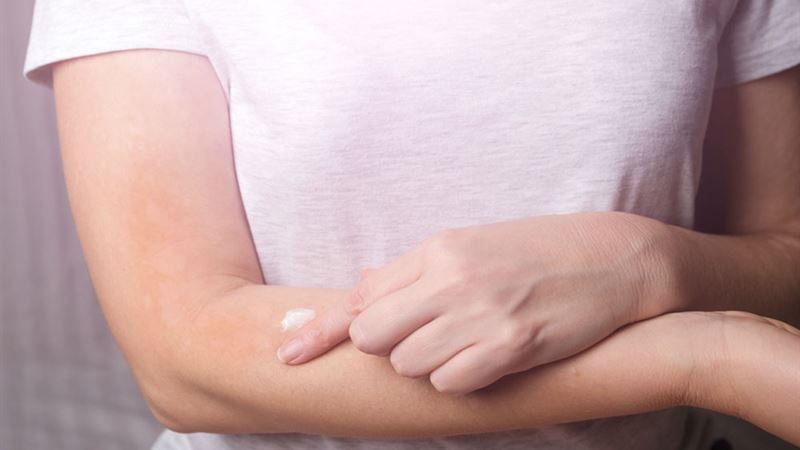
Itchy skin, medically known as pruritus, can be an uncomfortable and persistent condition affecting individuals of all ages. Whether caused by dry skin, allergic reactions, skin conditions, or underlying health issues, addressing this problem requires understanding the best approaches for relief. From effective moisturizers to home remedies and lifestyle adjustments, this comprehensive guide explores proven strategies to soothe itchy skin and restore comfort. In this detailed article, we delve into the most reliable skincare products, home treatments, and preventive measures to help you manage this condition effectively and improve your skin health.
Effective Moisturizers for Skin Hydration and Relief
Choosing the right moisturizer is essential when combating itchy skin. High-quality moisturizers such as Eucerin Skin Calming Cream, Gold Bond Medicated Anti-Itch Lotion, and La Roche-Posay Lipikar AP+M Triple Repair Body Cream are among the best options to keep your skin hydrated and reduce itching. These products work by reinforcing the skin’s natural barrier, locking in moisture, and preventing further dryness. Applying moisturizers immediately after bathing, while the skin is still damp, enhances absorption and maximizes their benefits.
Many moisturizers contain key ingredients like minerals, coconut oil, beeswax, and glycerin, which prevent water loss by forming a protective layer over the skin. For example, mineral-rich lotions help replenish essential nutrients, while beeswax creates a barrier that retains moisture. Glycerin acts as a humectant, attracting water into the skin and keeping it plump and hydrated. Consulting a dermatologist before selecting a moisturizer ensures the choice aligns with your specific skin needs, especially if you have sensitive or chronic skin conditions.
Specialized Anti-Itch Creams for Seniors
Older adults are particularly vulnerable to skin issues that cause itching, such as dry skin, eczema, psoriasis, or reactions to medications and environmental triggers. It’s vital to select soothing anti-itch creams tailored for elderly skin. Products containing 1% hydrocortisone or other mild corticosteroids can effectively reduce inflammation and itching. Additionally, gentle gels like aloe vera or menthol-based products provide quick relief from minor irritations such as sunburns or insect bites.
Plant-Based Soothing Gels
Aloe vera gel remains a popular natural remedy for skin irritation. Its soothing properties help calm inflammation and lock moisture into the skin, making it ideal for sunburns and minor abrasions. Menthol, derived from peppermint, offers a cooling sensation that alleviates itching temporarily. Use menthol cautiously, especially on sensitive skin, as it may cause irritation if not properly diluted. Both aloe vera and menthol products are widely available at pharmacies and health stores for quick and effective relief.
Petroleum Jelly and Emollients
For severely dry, cracked skin, petroleum jelly-based products such as Vaseline or Aquaphor provide a protective barrier that seals in moisture, promoting healing and reducing discomfort. These ointments are safe for use on delicate areas like lips, eyelids, and elbows. Applying petroleum jelly on damp skin enhances its ability to lock in hydration. However, individuals with oily or acne-prone skin should limit petroleum jelly use on the face to prevent breakouts. Reapplying as needed throughout the day ensures continuous skin protection and relief.
Natural and Home Remedies to Calm Itchiness
In addition to over-the-counter products, several home remedies can provide fast relief from itchy skin. These methods are often simple, cost-effective, and readily accessible.
Cold Compress or Ice Pack
The American Academy of Dermatology recommends applying a cold, damp cloth or an ice pack wrapped in a towel to the affected area for 5 to 10 minutes. The cooling effect helps reduce inflammation and numb nerve endings, thereby decreasing the sensation of itchiness. To further enhance relief, chilling your moisturizers in the refrigerator before application can produce a soothing cooling sensation immediately upon use.
Wet Wrap Therapy
Wet wrap therapy involves wrapping inflamed or irritated skin with water-soaked gauze or cloth. This treatment helps hydrate the skin, reduces itching, and prevents scratching. Especially beneficial for children with eczema, wet wraps create a physical barrier that minimizes damage caused by scratching and promotes faster healing. This technique should ideally be performed under medical supervision to ensure proper application and safety.
Apple Cider Vinegar
Apple cider vinegar (ACV) has natural antiseptic properties that can help soothe itchy scalp and skin. Diluting ACV with equal parts water (1:1 ratio) and applying it gently to the scalp or affected skin can help alleviate discomfort. Allow it to dry naturally before rinsing with warm water. However, avoid using ACV on open wounds or cracked skin, as it may cause a burning sensation and delay healing. This remedy is most suitable for mild to moderate irritations that are not broken or bleeding.
Baking Soda Baths and Pastes
Baking soda (sodium bicarbonate) is known for its antifungal and soothing properties. Adding ¼ cup of baking soda to a warm bath can help relieve general itchiness and skin irritation. For localized itching, a paste made by mixing baking soda with water can be applied directly to the affected area. Baking soda helps neutralize skin irritants and provides a cooling sensation, offering quick relief for fungal skin conditions or insect bites.
In cases where itching is persistent or accompanied by symptoms like swelling, redness, or difficulty breathing, seeking prompt medical attention is crucial. Conditions like allergic reactions or infections may require prescription medication or specialized treatment plans. Regular skin care, avoiding known irritants, and practicing good hygiene can significantly prevent and manage itchy skin over the long term.
By implementing these proven methods and consulting healthcare professionals as needed, you can effectively control and relieve itchy skin, leading to healthier, more comfortable skin.