
The Rich Heritage and Evolution of Thai Cuisine: A Comprehensive Overview
Explore the rich history and evolution of Thai cuisine, from ancient traditions to modern influences. Discover key ingredients, cooking techniques, and iconic dishes that define Thailand's diverse culinary landscape. This comprehensive overview highlights how regional flavors and cultural exchanges have shaped Thai food into a globally loved gastronomic experience, emphasizing the artistry and resourcefulness of Thai chefs. Perfect for food enthusiasts and culinary historians alike, this article offers deep insights into the vibrant world of Thai gastronomy and its ongoing culinary innovations.
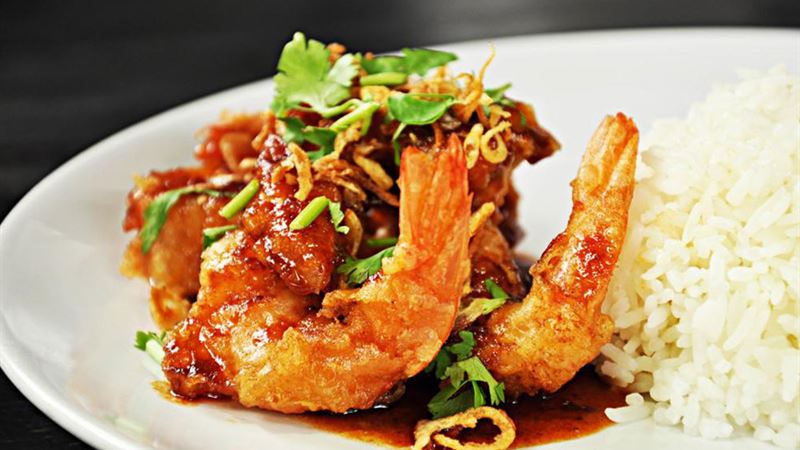
Thai cuisine stands as a vibrant and diverse culinary tradition that has evolved over centuries, reflecting a unique blend of regional flavors and cultural influences. Known for its aromatic spices, fresh herbs, and bold flavors, Thai food is celebrated globally for its complex taste profiles and artistic presentation. From the bustling street markets of Bangkok to the serene countryside, every region in Thailand offers distinct culinary experiences shaped by local ingredients, historical trade routes, and cultural exchanges.
Tracing the development of Thai cuisine reveals a fascinating history rooted in ancient traditions and external influences. The cuisine’s foundation lies in the use of aquatic creatures, a variety of herbs, fresh vegetables, and staple grains. Historically, due to the Buddhist teachings prevalent across the region, large-scale consumption of meat was often avoided. Instead, local communities relied heavily on fish, shells, and plant-based ingredients to create flavorful dishes. Nonetheless, certain regions, especially those with a historical Chinese presence, incorporated more meat and spice into their cooking, resulting in a diverse array of recipes that continue to influence modern Thai food.
Traditional Thai cooking methods have been shaped over the centuries through a combination of local techniques and foreign influences. Ancient methods such as stewing, baking, and grilling remain integral to the cuisine. The arrival of Chinese settlers around 1,400 years ago significantly impacted Thai culinary practices, introducing techniques like stir-frying, deep-frying, and sautéing, which have become staples in everyday cooking. These methods helped expand the variety of dishes and flavors, enabling the Thai people to develop a rich repertoire of culinary techniques that stand out in Southeast Asia.
Some of the most iconic dishes, such as Pad Thai—widely loved for its stir-fried noodles—and Khao Pad, or Thai fried rice, have remained core elements of Thai cuisine. These dishes exemplify the Southeast Asian approach to balancing flavors—combining sweet, sour, salty, and spicy elements to create harmonious tastes that stimulate the palate. The resourcefulness and resilience of Thai cooks are visible in their ingredient choices, notably their use of coconut milk and coconut oil as primary fats, replacing ghee commonly used in Indian cooking. This substitution highlights an adaptation rooted in local availability and health considerations.
Throughout its history, Thai cuisine has subtly toned down its use of spices, favoring more nuanced flavor profiles in curries and other dishes. This evolution reflects a cultural preference for subtlety and harmony in taste, complemented by the vibrant use of fresh herbs like lemongrass, kaffir lime leaves, Thai basil, and coriander. The overall culinary experience emphasizes freshness, balance, and presentation—a reflection of Thailand's rich cultural tapestry and its people's dedication to culinary artistry.
Today, Thai food continues to evolve, embracing modern culinary techniques while honoring traditional recipes. International influences, fusion cuisines, and innovative restaurant concepts have propelled Thai cuisine onto the global stage, making it a favorite among food enthusiasts worldwide. It’s a cuisine that celebrates diversity, history, and the enduring spirit of resourcefulness that epitomizes Thai culture. Whether enjoyed as street food or fine dining, Thai cuisine remains a testament to its rich heritage and ongoing evolution, captivating taste buds across the globe with its complexity and warmth.