
Understanding Anxiety Symptoms and Strategies for Effective Management
This comprehensive guide explores the common signs of anxiety and panic attacks, providing detailed insights into their symptoms and practical coping techniques. Learn how to recognize early warning signs and implement effective strategies like relaxation exercises, hydration, and mindfulness. Whether you're dealing with occasional anxiety or chronic episodes, understanding these symptoms and responses can help you regain control and improve your mental well-being. Empower yourself with knowledge and practical tools to navigate anxiety with confidence and resilience.
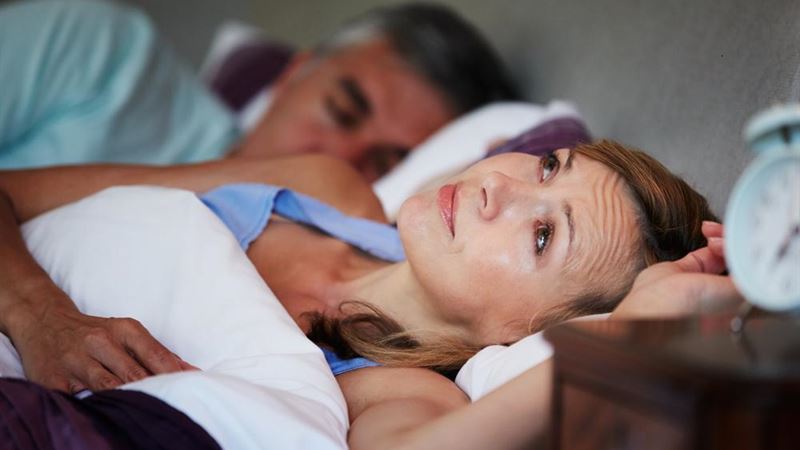
Anxiety is a complex condition characterized by various physical and psychological symptoms that differ from one individual to another. Nonetheless, the human body's response to anxiety remains remarkably similar across different people. When the body perceives threat or danger, it instinctively reacts through the 'fight or flight' response—an evolutionary survival mechanism designed to prepare us to confront or escape from danger.
For many experiencing anxiety, sensations such as heightened alertness, rapid heartbeat, and overwhelming dread can occur unexpectedly. Common triggers may include stressful situations, significant life changes, or sometimes no discernible cause at all. Recognizing these symptoms early is crucial for effective management and preventing escalation into panic attacks or chronic anxiety disorders.
During episodes of heightened anxiety, individuals often experience intense physical reactions. These can include sensations like light sensitivity, where ambient lighting feels uncomfortably bright, and auditory sensitivities, where everyday sounds seem amplified or overwhelming. Additionally, physical symptoms such as rapid heartbeat, trembling, sweating, and difficulty breathing are common. Many report feeling a compelling urge to escape, hide, or vocalize distress through crying or shouting.
When anxiety escalates into a panic attack, the physical and emotional symptoms intensify. These episodes can occur unexpectedly, sometimes with prior warning, but often without any indication beforehand. The experience can be frightening, leading individuals to fear death, losing control, or suffocation, even though these sensations are caused by a temporary surge of adrenaline rather than any real danger.
Understanding the hallmark symptoms of anxiety attacks is vital. Below, we detail the most prominent signs and provide insights on how to recognize and cope with them effectively:
- Sudden Onset of Panic: A rapid, overwhelming sense of fear that hits unexpectedly, causing intense feelings of dread. Many describe this as feeling as if they are losing control or going crazy.
- Hyperventilation: Difficulty breathing or rapid breathing; often worsened by crying, which can exacerbate shortness of breath.
- Trembling or Shaking: Noticeable tremors in hands or legs, sometimes spreading to the whole body as anxiety intensifies.
- Heart Palpitations: A pounding or racing heartbeat, which may feel loud and irregular, adding to the fear of impending health issues.
- Numbness and Tingling: Sensations of numbness or pins-and-needles usually affect extremities like the hands and feet, contributing to the sense of disconnection from the body.
- Detachment or Derealization: A feeling of being disconnected from oneself or the environment, making everything seem unreal or distant.
- Fear of Death: An intense fear that symptoms indicate a severe health problem or that one might die imminently, often leading to a cycle of worsening anxiety.
Although these symptoms can be severe and alarming, they typically last between 30 seconds and 30 minutes. Recognizing these signs allows individuals to implement immediate coping strategies to manage the episode and reduce distress.
Effective Techniques to Manage Anxiety and Panic Attacks
While anxiety episodes can be overwhelming, there are practical techniques that can help diminish the intensity and duration of symptoms. Implementing these methods can empower individuals to regain control and reduce the fear associated with anxiety attacks.
- Gentle Stretching and Breathing Exercises: When early signs of anxiety appear, simple stretching routines can help relax tense muscles, potentially interrupting the progression of an attack. Incorporating deep, yawning breaths can further promote relaxation, easing symptoms like rapid heartbeat and muscle tension.
- Hydrate with Cold Water: Drinking small sips of ice-cold water can aid in cooling down your body's temperature and calming hyperventilation. Focus on each gulp to divert attention from distressing sensations and promote mindfulness of the present moment.
- Utilize Peripheral Vision Focus: This meditation technique involves directing your gaze past an imaginary object while relaxing your focus. Engaging peripheral vision signals your nervous system to relax, helping to deactivate the body's stress response and calm anxiety symptoms.
- Mindfulness and Grounding Techniques: Engaging your senses by noticing sounds, textures, or smells around you helps anchor your awareness to the present. Techniques like focusing on your breath or counting objects in your environment can reduce feelings of detachment and fear.
- Preparation and Self-Care: Maintaining regular routines, ensuring adequate sleep, and avoiding stimulants such as caffeine can diminish the likelihood or severity of anxiety episodes. Keeping a journal of triggers and symptoms can also inform long-term management strategies.
In addition to immediate coping strategies, seeking professional assistance such as therapy or medication can be highly beneficial for managing chronic anxiety or recurrent panic attacks. Cognitive-behavioral therapy (CBT), in particular, has demonstrated effectiveness in helping individuals modify thought patterns that contribute to anxiety.
Remember, while anxiety symptoms can be distressing, they are highly manageable with the right knowledge, techniques, and support. Early recognition and proactive strategies can significantly improve quality of life, helping individuals face daily challenges with resilience and confidence.