
Comprehensive Guide to Lower Back and Hip Discomfort: Symptoms, Causes, and Effective Treatment Options
Explore expert insights on lower back and hip pain, including symptoms, causes like herniated discs and arthritis, and effective treatment options such as exercises, therapies, and lifestyle modifications. Understand gender-specific issues and when to seek medical care to manage persistent discomfort effectively.
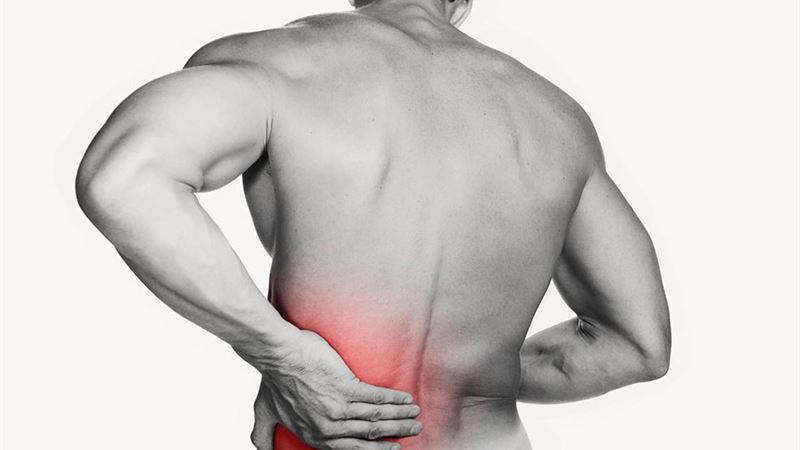
Experiencing persistent pain in your lower back and hips can significantly impact your daily life. Recognizing the warning signs and understanding the underlying causes are crucial steps toward effective treatment. One critical symptom that warrants immediate medical attention is the loss of control over bowel or bladder functions, which can indicate serious nerve involvement. Additionally, weakness in the legs combined with fever or pain during coughing or urination can be signs of severe underlying issues requiring prompt evaluation. Recognizing these symptoms early can help prevent further complications and facilitate targeted treatment.
Understanding Common Causes of Lower Back and Hip Pain
The discomfort in your lower back and hips can stem from various musculoskeletal issues. Broadly, these can be categorized into muscle strains, ligament injuries, joint problems, and nerve impingements. Each cause has distinct characteristics, but they often present with overlapping symptoms, making diagnosis vital for appropriate management.
Muscle Strains and Ligament Sprains
One of the most common origins of lower back and hip pain involves injuries to the muscles and ligaments supporting the spine and pelvis. Muscle strains frequently occur due to overstretching or sudden movements, especially during physical activities or lifting heavy objects. These injuries can cause localized pain, stiffness, and limited mobility. Ligament sprains happen when these connective tissues are overstretched or torn, often resulting from trauma or repetitive stress. Over time, repeated stress can weaken ligaments, increasing the risk of rupture, which contributes to persistent pain and instability.
Why Does Hip and Lower Back Pain Occur? Key Causes Explored
Most episodes of back and hip pain resolve on their own within a few days to weeks. However, if the discomfort persists beyond three days or becomes chronic, it indicates underlying structural issues that require medical intervention. Below are some primary causes of long-lasting lower back and hip discomfort:
- Lumbar Herniated Disc
Intervertebral discs act as shock absorbers between the vertebrae. These discs contain a gel-like nucleus encased within a tough outer ring. Injury or degeneration can cause the nucleus to protrude or rupture through the outer layer—a condition known as a herniated disc. When this protrusion presses on nearby nerves, it triggers intense pain, numbness, and tingling sensations that radiate down the leg. This nerve compression often results in significant discomfort in both the lower back and hip regions. - Degenerative Disc Disease
As we age, the intervertebral discs gradually lose their hydration and elasticity. This degeneration diminishes their ability to cushion the vertebrae effectively, leading to increased stress on the disc walls and subsequent tears or herniation. The breakdown of disc integrity can also lead to spinal stenosis—the narrowing of spinal canals—which further compresses nerve pathways, producing pain and mobility issues over time. - Facet Joint Dysfunction
The facet joints are small joints at the back of the spine that facilitate movement and stability. Injury or arthritis of these joints can cause inflammation, stiffness, and pain localized in the lower back and hips. Facet joint problems often develop due to repetitive stress, aging, or injury, resulting in limited movement and persistent discomfort. - Sacroiliac Joint Dysfunction
The sacroiliac (SI) joints connect the sacrum at the base of the spine to the ilium of the pelvis. These joints absorb shock and help transfer weight between the upper body and legs. If they become inflamed or misaligned—a condition known as sacroiliitis or SI joint dysfunction—the resulting pain can be felt in the lower back, buttocks, and hips. Activities that involve twisting or lifting can exacerbate this condition. - Spinal Stenosis
Spinal stenosis involves the narrowing of the spinal canal, which compresses the nerves passing through it. This narrowing can occur in the central canal, lateral foramina, or both, due to bone spurs, disc degeneration, or ligament hypertrophy. The compression of nerve roots causes pain, numbness, or weakness in the lower back, hips, and legs. It’s a common degenerative condition associated with aging and often leads to decreased mobility and persistent discomfort.
Gender-Specific Factors Contributing to Lower Back and Hip Pain in Women
Women are statistically more prone to experiencing lower back and hip pain. The reasons are multifactorial, including hormonal changes, anatomical differences, and specific lifestyle factors. It is vital to understand these gender-specific causes for accurate diagnosis and effective treatment.
- Osteoarthritis
Osteoarthritis is among the primary culprits behind hip and lower back pain in women. It results from the gradual wearing down of the cartilage cushioning the hip joint’s socket and ball. As the cartilage deteriorates, bones begin to rub against each other, leading to pain, swelling, and decreased mobility. This degenerative joint disease often causes discomfort in the groin, thigh, and buttock regions. - Hip Fractures and Osteoporosis
Older women are particularly vulnerable to osteoporosis—a condition characterized by reduced bone density and increased fragility. A weakened hip bone can fracture from minor falls or trauma. Symptoms include difficulty standing, lifting the leg, or maintaining balance. Over time, the affected side may appear turned outward, and walking can become increasingly painful due to the fracture. - Tendinitis and Overuse Injuries
Tendons connecting muscles to bones can become inflamed due to overuse, especially in athletes or women engaged in strenuous physical activities. Iliotibial band syndrome is a prevalent tendinitis condition characterized by pain on the outer thigh and hip, often worsened by running or repetitive motion. These overuse injuries can contribute significantly to lower back and hip discomfort.
Effective Approaches to Manage and Alleviate Lower Back and Hip Pain
Managing lower back and hip pain involves a combination of self-care practices, physiotherapy, and medical interventions. Here are some proven strategies:
- Applying heat with heating pads or belts can help relax tense muscles and reduce pain temporarily.
- Avoid prolonged bed rest; gentle movement and stretching help maintain flexibility and promote healing.
- Engaging in targeted yoga and stretching exercises can strengthen muscles and improve joint mobility, easing discomfort.
- Massage therapy, combined with stretching routines, can alleviate muscle tension and enhance circulation, contributing to pain relief.
While lower back and hip pain can be widespread and often bothersome, many effective treatment options are available. Consultation with a healthcare professional is crucial if symptoms persist or worsen, to identify the specific cause and tailor an appropriate treatment plan.