
Comprehensive Guide to Hypertension: Symptoms, Risks, and Effective Treatments
High blood pressure is a silent but serious health condition with severe risks like organ damage and stroke. This comprehensive guide details symptoms, risk factors, diagnosis, and urgent treatments such as managing malignant hypertension. Recognizing early signs and seeking prompt medical care are essential for effective management. Lifestyle changes, medication, and regular monitoring can prevent life-threatening complications and ensure overall heart health. Stay informed about hypertension to protect yourself from its hidden dangers and maintain optimal wellness through proactive health measures.
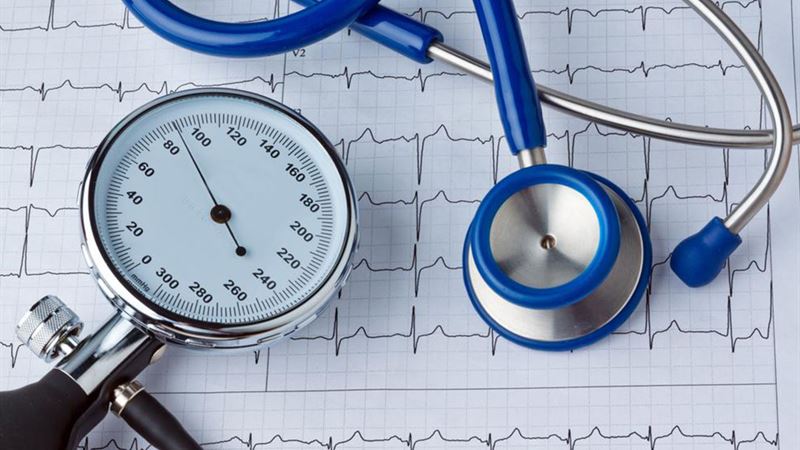
High blood pressure, also known as hypertension, is increasingly common worldwide, posing significant health risks if left unmanaged. Recent studies have shown a rapid rise in hypertension cases, many of which go undiagnosed until severe complications develop. Hypertension is a silent condition that can silently damage vital organs and lead to serious health issues such as vision loss, kidney failure, heart disease, stroke, and even death. Recognizing symptoms early, understanding risk factors, and seeking prompt treatment are crucial steps in managing this chronic condition effectively.
Hypertension often remains asymptomatic in its early stages, making regular blood pressure monitoring essential for early detection. According to medical guidelines, adults should get their blood pressure checked at least once every five years, and more frequently if they have risk factors such as family history, obesity, or pre-existing health conditions. For individuals with relatives suffering from hypertension, more frequent monitoring is advised, as genetics play a significant role in the development of high blood pressure.
Understanding the symptoms of high blood pressure can save lives. While early stages may present no noticeable signs, advanced hypertension can manifest through several symptoms including blood in urine, chest pain, breathing difficulties, intense headaches, overwhelming fatigue, vision disturbances, irregular heartbeat, sudden confusion, and a pounding sensation in the chest. If you experience any of these symptoms, immediate medical attention is necessary to prevent life-threatening events such as strokes or cardiac arrest.
Risk factors contributing to hypertension are multifaceted. While no single cause has been identified, several elements increase susceptibility. These include chronic stress exposure, smoking cigarettes, excessive alcohol consumption, diets high in salt, genetic predispositions, certain ethnic backgrounds, sedentary lifestyles, and obesity. Understanding these factors can assist individuals in taking proactive steps to reduce their risk and implement lifestyle changes that promote cardiovascular health.
Malignant hypertension, also known as accelerated hypertension, is a severe and potentially life-threatening form of high blood pressure. It is characterized by very high readings that often associate with rapid organ damage if not promptly treated. This condition requires urgent medical intervention, typically in an intensive care setting, to lower blood pressure swiftly and prevent further deterioration.
Organ damage from malignant hypertension can involve the brain (encephalopathy), leading to mental confusion, coma, or seizures, as well as damage to the heart, kidneys, eyes, and blood vessels. Complications include heart failure, eclampsia, aneurysms, pulmonary issues like fluid in the lungs, and increased risk of stroke. Because malignant hypertension can develop rapidly and unpredictably, recognizing early symptoms and seeking immediate care are vital for survival.
The symptoms associated with accelerated hypertensive crisis include chest pain, seizures, breathing difficulties, edema (swelling), and severe headaches. Such symptoms demand urgent evaluation by healthcare professionals to prevent permanent damage or death.
Diagnosis of hypertensive crisis involves comprehensive assessment. Physicians will review your medical history, current medications, lifestyle, and any use of herbal or recreational drugs. They perform various tests including multiple blood pressure measurements, eye examinations to detect hemorrhages or swelling, urine analysis for kidney function, and blood tests to evaluate organ damage and overall health status. Accurate diagnosis guides the appropriate treatment plan to control blood pressure and mitigate damage.
Managing malignant hypertension requires immediate action. The primary goal is rapidly lowering blood pressure, often through intravenous medications administered in hospitals, especially in ICUs. Treatment plans are tailored to address specific organ damage and may include therapies to support heart function, kidney recovery, or neurological stabilization. Long-term management involves a combination of medications, lifestyle modifications, and regular follow-up to prevent recurrence and further health deterioration.
It is critical not to ignore high blood pressure symptoms. Early intervention with proper medical guidance can prevent disastrous outcomes. If you notice symptoms or have risk factors, consult a healthcare professional immediately. Keeping blood pressure within healthy limits is vital for a long, healthy life, emphasizing the importance of regular check-ups and adherence to prescribed treatments.