
Recognizing the Key Indicators of High Blood Pressure and When to Seek Medical Attention
This comprehensive article explores the subtle signs of hypertension, its risk factors, and the importance of regular blood pressure monitoring. Early detection through awareness of symptoms like headaches, fatigue, vision problems, and chest pain can prevent serious health complications. Learn how lifestyle choices influence blood pressure and when to seek emergency care. Stay informed to maintain optimal heart health and avoid the silent threats posed by high blood pressure.
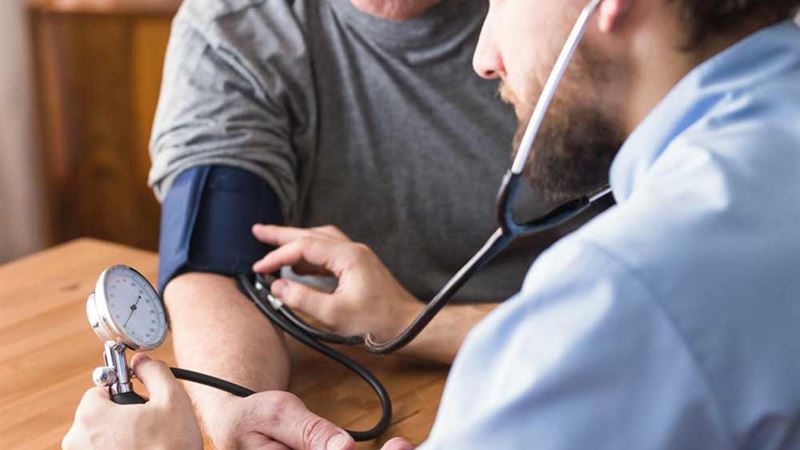
High blood pressure, commonly referred to as hypertension, is a widespread health concern affecting millions of individuals across the globe. It is often called the “silent killer” because it frequently presents without noticeable symptoms until it reaches severe or life-threatening levels. Understanding the different types of hypertension, their causes, and the symptoms to watch for is essential for early detection and effective management. This comprehensive guide aims to shed light on the subtle signs of hypertension, risk factors, and the importance of routine blood pressure monitoring.
Understanding Hypertension: Types and Causes
Hypertension can be broadly categorized into two main types: primary (essential) hypertension and secondary hypertension. Each has distinct characteristics and underlying causes.
Primary Hypertension
This form of hypertension develops gradually over time and accounts for the majority of cases. Its exact cause remains unknown; however, a combination of genetic predisposition, lifestyle factors, and environmental influences contribute to its onset. Factors like poor diet, physical inactivity, obesity, excessive alcohol intake, and chronic stress play significant roles in the development of primary hypertension.
Secondary Hypertension
Unlike primary hypertension, secondary hypertension results from an identifiable underlying health issue such as kidney disease, hormonal disorders, or certain medications. Addressing the root cause often leads to improvement or resolution of high blood pressure.
Lifestyle Factors Contributing to High Blood Pressure
The lifestyle choices individuals make can significantly influence blood pressure levels. High-stress lifestyles, sedentary routines, poor dietary habits, smoking, and alcohol consumption are common contributors. Chronic stress, in particular, leads to elevated levels of stress hormones, which can cause the arteries to constrict and increase blood pressure over time.
Recognizing the Symptoms of Hypertension
One of the challenges with hypertension is that it often lacks specific symptoms, especially in its early stages. Many individuals remain unaware of their condition until complications develop. However, certain signs can indicate elevated blood pressure levels, particularly during hypertensive crises.
Common Warning Signs of Hypertension
- Intense Headaches: Severe, persistent headaches, often described as a migraine, can be a sign of dangerously high blood pressure.
- Fatigue and Confusion: Feeling unusually tired or experiencing mental fog can sometimes be linked to elevated blood pressure affecting brain function.
- Anxiety and Restlessness: Though anxiety can be caused by various factors, heightened stress and worry might also be related to hypertensive episodes.
- Vision Problems: Blurred or double vision, as well as red or bloodshot eyes, may indicate damage to retinal vessels caused by sustained high blood pressure.
- Irregular Heartbeat: Palpitations, skipped beats, or an irregular pulse can be signs of cardiac strain due to hypertension.
- Shortness of Breath and Chest Pain: These symptoms, along with nausea or dizziness, may point to a hypertensive crisis or heart strain.
- Blood in Urine or Pounding Sensations: Hematuria (blood in urine) and throbbing sensations in the ears, neck, or chest can signify severe hypertension requiring immediate intervention.
Hypertensive Crisis: When to Seek Emergency Medical Help
Blood pressure readings exceeding 180/120 mmHg are considered a hypertensive crisis. Symptoms such as severe headaches, chest pain, vision loss, difficulty breathing, or neurological deficits warrant urgent medical attention. If left untreated, such elevated levels can lead to stroke, heart attack, or kidney failure.
The Silent Nature of Hypertension
Because the symptoms of high blood pressure are often subtle and nonspecific, many individuals remain unaware of their condition until it causes significant health issues. Regular blood pressure checks are vital, especially for those with a family history of cardiovascular disease or other risk factors. Early diagnosis allows for better management through lifestyle modifications, medication, and routine monitoring.
Preventive Measures and Management Strategies
Managing hypertension involves a combination of lifestyle changes and, in some cases, medication. Strategies include maintaining a healthy diet low in sodium, engaging in regular physical activity, managing stress, reducing alcohol intake, and quitting smoking. Regular exercise helps strengthen the heart and improve blood vessel elasticity, reducing overall blood pressure.
Routine Monitoring and Medical Consultation
Regularly measuring your blood pressure at home and visiting healthcare professionals for checkups are essential steps in managing hypertension. Early detection can prevent complications and improve quality of life. Keep a record of your readings and discuss any fluctuations or symptoms with your doctor for tailored treatment plans.
Conclusion
Hypertension, often asymptomatic, can pose serious health risks if left untreated. Recognizing the subtle signs and understanding the risk factors are crucial for early intervention. Maintaining a healthy lifestyle, monitoring blood pressure regularly, and seeking prompt medical care during hypertensive crises can make a significant difference in health outcomes. Stay proactive about your heart health to avoid the potentially devastating effects of unmanaged high blood pressure.