
Comprehensive Guide to Non-Small Cell Lung Cancer: Symptoms, Diagnosis, and Treatment Options
Explore detailed insights into non-small cell lung cancer, including its types, early symptoms, diagnostic methods, and the latest treatment options such as targeted therapy and immunotherapy. Learn how early detection and personalized care can significantly improve prognosis. Find resources for support and understand ongoing research efforts. This comprehensive guide aims to empower patients and healthcare providers to tackle NSCLC effectively, emphasizing the importance of awareness, timely intervention, and innovative treatments to enhance survival and quality of life.
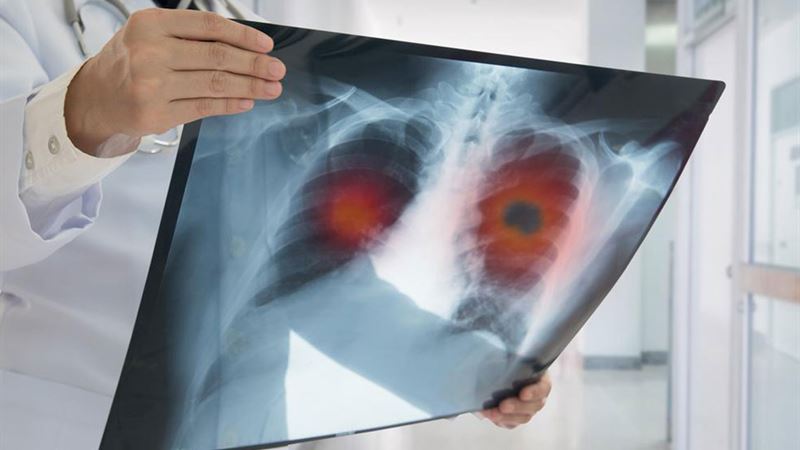
Understanding the nature of NSCLC is vital for effective management. The main subtypes include squamous cell carcinoma, adenocarcinoma, and large cell carcinoma. Squamous cell carcinoma accounts for approximately 20-30% of lung cancers and primarily affects the central parts of the lungs. It is strongly associated with a history of smoking and tends to develop within the lining of the airways, leading to symptoms such as persistent cough and airway obstruction. Adenocarcinoma, the most common type in non-smokers and women, usually occurs in the outer regions of the lungs and often presents with less prominent symptoms initially, complicating early detection. Large cell carcinoma, making up roughly 10-15% of cases, is known for its rapid growth and early spread, which challenges treatment efforts.
Prompt diagnosis plays a pivotal role in managing NSCLC effectively. Recognizing early signs and symptoms can lead to earlier intervention, potentially curbing disease progression and improving survival rates. Several diagnostic tools are employed, including chest X-rays, computed tomography (CT) scans, biopsy procedures, and advanced molecular testing to determine specific mutations for targeted therapy suitability.
If diagnosed in its initial stages, NSCLC can be managed effectively with a range of treatment options. These include surgical removal of tumors, radiation therapy, chemotherapy, targeted therapy, immunotherapy, and participation in clinical trials evaluating novel drugs and approaches. Each treatment plan is tailored based on the tumor's location, histology, stage, and molecular characteristics, as well as the patient's overall health and preferences.
Recognizing symptoms early can dramatically influence prognosis. Patients should be vigilant for signs such as a persistent cough that doesn't resolve, unexplained weight loss, and respiratory difficulties. Neurological symptoms like headaches, seizures, numbness, or weakness may indicate metastasis or advanced disease, requiring urgent medical attention. Systemic symptoms such as fatigue, anorexia, and general malaise are also common and should prompt further investigation.
The treatment landscape for NSCLC continues to evolve rapidly. Targeted therapies are now integral components for many patients, especially those with identified genetic mutations such as EGFR, ALK, or ROS1. These drugs work by inhibiting specific proteins involved in tumor growth, offering a more personalized and often less toxic approach compared to traditional chemotherapy.
However, challenges remain. Some tumors may not harbor targetable mutations, and drug resistance can develop over time, necessitating alternative strategies. For this reason, ongoing clinical trials are essential to discovering new treatment modalities and improving existing therapies. Patients eligible for clinical trials gain access to cutting-edge treatments and contribute to advancing lung cancer care.
Support systems are vital for those diagnosed with NSCLC. Many institutions and organizations provide patients and families with resources ranging from emotional support to financial aid, transportation, housing, and palliative care. These services are designed to help manage the multifaceted challenges posed by lung cancer, ensuring comprehensive patient-centered care that addresses physical, emotional, and practical needs.
To improve outcomes, early awareness campaigns and screening programs are encouraged, especially for high-risk populations such as smokers and those with a family history of lung cancer. Advances in imaging and molecular diagnostics continue to enhance early detection capabilities, ultimately saving lives.
In summary, non-small cell lung cancer remains a major health concern worldwide. Through increased understanding of its subtypes, early symptom recognition, and the latest therapeutic developments, patients can benefit from more effective treatment options. Continuous research and access to comprehensive support services are keys to improving survival rates and quality of life for those affected by this disease.