
Comprehensive Overview of Effective Strategies for Treating Advanced Lung Cancer
Explore comprehensive treatment strategies for metastatic lung cancer, including surgery, radiation, immunotherapy, and targeted therapies. Learn how personalized medicine and recent advancements provide new hope for managing this aggressive disease, improving survival rates, and quality of life for patients.
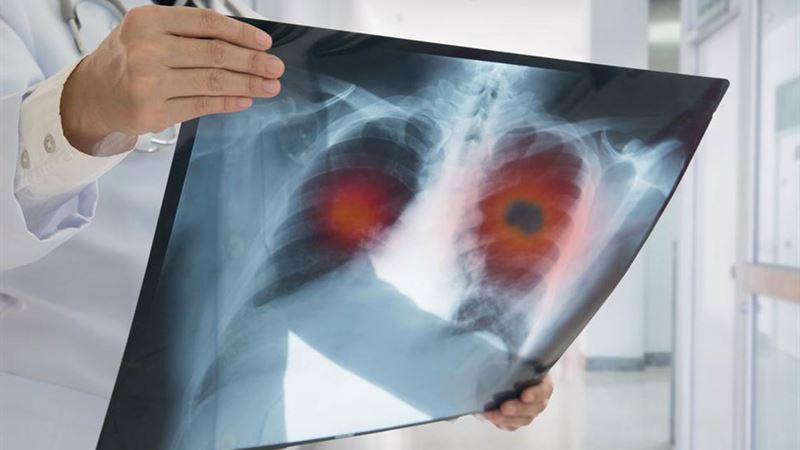
Lung cancer remains one of the most prevalent and deadly cancers worldwide, with metastatic stages accounting for the majority of fatalities. When the cancer spreads beyond the lung, it becomes considerably more difficult to treat effectively, requiring a combination of therapies to control the disease’s progression. The primary treatment strategies for metastatic lung cancer include systemic therapies like chemotherapy, targeted therapy, and immunotherapy, along with localized options such as surgery and radiation.
Surgical Options
Surgery has historically been the mainstay for early-stage non-small cell lung cancer; however, in select metastatic cases, surgical intervention may still be viable. When detected at Stage I or II, surgical removal of the tumor, which may involve removing part of or an entire lobe of the lung (lobectomy), can provide significant benefits. In advanced metastatic scenarios, surgery often aims to reduce tumor burden or address specific localized metastases, thereby alleviating symptoms or improving response to systemic treatments. Newer surgical techniques, including minimally invasive procedures like thoracoscopy and robotic-assisted surgeries, have reduced recovery times and improved outcomes.
Radiation Therapy
While not a curative treatment for widespread metastatic disease, radiation therapy plays an essential role in palliation—relieving symptoms such as pain, bleeding, or neurological complications caused by metastases, especially to the brain or bones. Advances in stereotactic radiosurgery allow for precise targeting of tumors, sparing healthy tissue and minimizing side effects.
Immunotherapy: A Revolutionary Approach
The advent of immunotherapy has revolutionized lung cancer treatment, especially for metastatic cases. Unlike traditional therapies that directly attack cancer cells, immunotherapy enhances the body's own immune system to recognize and destroy cancerous cells more effectively. This approach has shown promising results, extending survival and improving quality of life in many patients with advanced disease.
Immunotherapy encompasses several categories, each leveraging different immune mechanisms:
- Monoclonal antibodies: Engineered antibodies designed to target specific proteins on cancer cells, facilitating immune-mediated destruction.
- Therapeutic vaccines: These vaccines stimulate the immune system to recognize tumor-specific antigens, enhancing immune response.
- Checkpoint inhibitors: Drugs that block inhibitory pathways in immune cells, freeing them to attack tumors more effectively.
- Adoptive T-cell transfer: A personalized therapy involving the extraction, modification, and reinfusion of T-cells to boost anti-cancer activity.
Targeted Therapy: Precision Medicine for Lung Cancer
Among the array of treatment options, targeted therapies have gained prominence due to their specificity and effectiveness, particularly in advanced metastatic stages. These therapies exploit molecular abnormalities within cancer cells—such as mutations in EGFR, ALK, ROS1, or BRAF genes—to selectively inhibit cancer growth. Since targeted treatments distinguish cancer cells from normal ones, they tend to cause fewer side effects compared to traditional chemotherapy or radiation. This specificity makes them especially suitable for patients with identifiable genetic mutations and advanced disease.
Examples of targeted agents include tyrosine kinase inhibitors (TKIs) and monoclonal antibodies tailored to block pathways critical for cancer cell survival. Ongoing research continues to identify new molecular targets, broadening the scope of personalized therapies available for metastatic lung cancer.
Managing metastatic lung cancer involves a comprehensive understanding of these treatment options, with an emphasis on personalized medicine. Early diagnosis enables timely intervention, which can significantly enhance prognosis by preventing further spread and alleviating symptoms. Multidisciplinary teams comprising oncologists, thoracic surgeons, radiation specialists, and immunotherapy experts collaborate to formulate and adjust treatment plans aligned with each patient’s unique condition.
It’s essential to recognize that while metastatic lung cancer remains a serious and often life-threatening disease, advancements in science and medicine continue to improve treatment outcomes. Combining traditional and emerging therapies offers hope for extending survival and enhancing the quality of life for patients facing this challenging diagnosis.