
Advantages of Choosing Quality Winter Tires for Safer Driving
Choosing the right winter tires is crucial for safe driving during cold seasons. These tires offer better traction, enhanced braking, hydroplaning resistance, and superior handling on icy and snowy roads. Top brands ensure quality and safety, helping drivers navigate winter conditions with confidence and control. Investing in quality winter tires can significantly reduce accident risks and improve overall vehicle performance in harsh winter weather. Learn why upgrading your tires for winter is a smart decision for safety and peace of mind during the colder months.
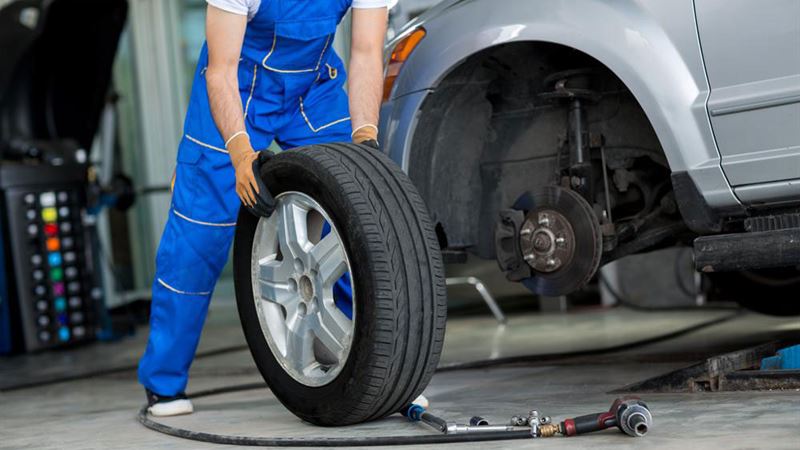
Enhanced Traction and Grip in Cold Weather
Winter tires are uniquely designed with a softer rubber compound that remains flexible even at extremely low temperatures. Unlike all-season or summer tires, which tend to harden when it gets cold, winter tires maintain their flexibility, allowing for better contact with icy or snowy surfaces. This increased surface contact translates into significantly improved traction, reducing the likelihood of slipping or skidding during acceleration, turning, or stopping. Most winter tires are capable of providing reliable grip even at temperatures as low as minus 30 degrees Celsius, ensuring drivers maintain better control over their vehicles.
Superior Braking Performance on Icy and Snowy Roads
One of the primary safety concerns during winter driving is effective braking on slippery surfaces. Hard, icy conditions can drastically increase stopping distances and cause vehicles to slide uncontrollably if tires are not suited for winter. Winter tires are equipped with specialized tread patterns and rubber compounds that significantly improve braking performance. Their enhanced grip allows for quicker and more controlled stops, reducing the risk of collisions and accidents caused by slipping on icy or snow-packed roads. This ability to recover swiftly from skids provides an added layer of safety for drivers in winter conditions.
Improved Resistance to Hydroplaning
Hydroplaning occurs when a layer of water builds up between the tire and the road surface, leading to a loss of traction. This phenomenon is especially prevalent during winter when roads become slushy or flooded with melting snow. Winter tires are designed with deep grooves and specialized tread patterns that channel water away from the contact patch, effectively reducing hydroplaning risks. Their tread design ensures better grip on wet, icy, or slushy surfaces, providing drivers with greater confidence and stability across various winter terrains.
Enhanced Traction Through Deep Tread Patterns
Success in winter driving often depends on the ability to grip snow and ice securely. Winter tires feature larger, deeper treads and more aggressive patterns that cut through snow and slush efficiently. The wide grooves and sipes within the tire tread help displace snow and water, creating a firmer contact with the road surface. These features improve acceleration, cornering, and braking performance, even on heavily snow-covered roads. As a result, vehicles equipped with winter tires remain more stable and maneuverable in adverse snowy conditions, greatly reducing the chances of losing control.
Optimized Control and Handling
One notable characteristic of winter tires is their narrower width in comparison to regular tires. This narrower profile helps the tire cut through snow more efficiently, increasing the contact patch and reducing resistance. Additionally, the tread design and pattern are optimized to apply more pressure on the road, thereby enhancing grip and handling. This improved control allows drivers to steer more precisely, especially when navigating turns or emergency maneuvers in snow and ice. Enhanced handling characteristics contribute to overall driving confidence and safety during winter months.
Leading Manufacturers of Winter Tires
To ensure safety and performance, purchasing winter tires from reputable manufacturers is essential. Some of the most trusted brands in the industry include Bridgestone, Nokian, Continental, Michelin, Pirelli, Gislaved, Toyo, Dunlop, Hercules, Goodyear, and Yokohama. These companies utilize advanced tire technology and high-quality materials to produce winter tires that excel in grip, durability, and overall performance across demanding winter conditions.