
Comprehensive Guide to Recognizing and Managing Pollen Allergies
Learn to identify and manage pollen allergies effectively. Explore symptoms, triggers, treatment options, preventive tips, and home remedies to improve your quality of life during allergy seasons. This comprehensive guide provides valuable insights to help you stay comfortable and safe outdoors and indoors.
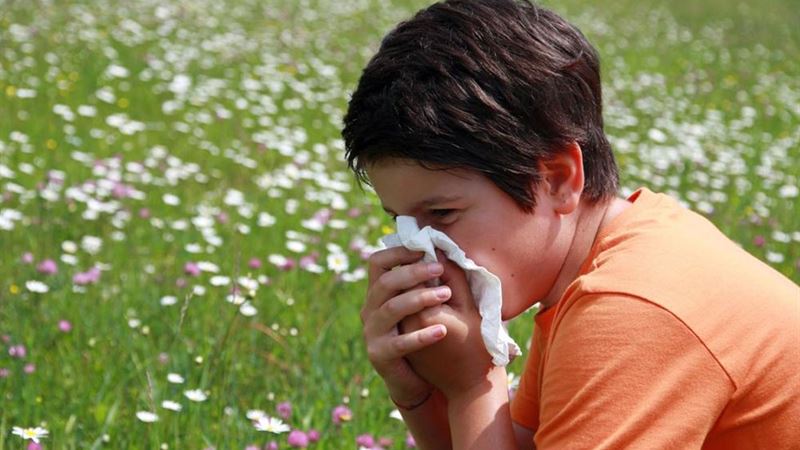
Pollen allergies are a common issue affecting millions worldwide, especially during certain seasons when plants release pollen into the environment. It is crucial to understand that not everyone is allergic to every type of pollen. Some individuals may react strongly to specific pollen sources such as cedar or birch trees, while others may not experience any symptoms at all. Recognizing which pollen triggers your allergic reactions is essential for effective management and relief.
This phenomenon, known as specific allergy, highlights that allergies are often targeted responses to particular allergens present in the environment. Identifying your pollen triggers can significantly improve your quality of life during allergy seasons.
Understanding the Causes of Allergies
While medical science has yet to pinpoint the exact origins of allergies, it is known that they involve the immune system’s exaggerated response to otherwise harmless substances. When exposed to an allergen — which could be a protein found in pollen, dust, insect venom, or certain foods — the immune system perceives it as a threat and triggers an inflammatory response. This process leads to the familiar symptoms associated with allergies.
Allergens are composed of proteins that can be found in various environmental elements, including plants, animals, insects, and some foods. The body’s reaction to these triggers varies from person to person, depending on genetic and environmental factors.
Recognizing the Symptoms of Pollen Allergies
Common signs that suggest an allergy to pollen include a range of uncomfortable symptoms, often exacerbated during peak pollen seasons. It's important to be able to distinguish these signs to seek appropriate treatment promptly.
- Itchy, red, and watery eyes that may cause irritation and discomfort
- Persistent coughing, especially after outdoor exposure
- Congestion or a blocked feeling in the nasal passages, often leading to difficulty breathing
- Sinus pressure, leading to pain around the forehead, cheeks, and nose
- Reduced senses of taste and smell
- Scratchy or sore throat caused by postnasal drip
- Puffiness and a bluish hue around the eyes, often called allergic shiners
- Wheezing or tightness in the chest, indicating respiratory involvement
These symptoms often occur in clusters and can significantly impair daily activities and overall well-being.
Over-the-Counter and Prescription Treatments
For mild to moderate allergy symptoms, various over-the-counter medications can provide relief. Decongestants are particularly effective in reducing nasal congestion, making breathing easier during pollen-heavy days. Nasal sprays with antihistamines can also help in quick symptom relief by reducing inflammation within the nasal passages.
When symptoms persist despite medication, or if the reactions are severe, consulting an allergy specialist is advisable. They may recommend allergy shots, known as immunotherapy, which can gradually desensitize your immune response to specific allergens. These injections require a personalized plan and should be administered under medical supervision.
Preventive Measures for Outdoor Activities
When venturing outdoors during high pollen seasons, taking preventive steps can significantly reduce exposure. Wearing a mask that covers your nose and mouth helps filter out pollen particles before they enter your respiratory system. Keeping outdoor activities limited during peak pollen hours — typically early mornings and late evenings — can also minimize allergic reactions. Showering and changing clothes after outdoor excursions can help remove pollen from your body and clothing, preventing transfer indoors.
Home and Lifestyle Remedies
- Incorporate natural remedies such as inhaling herbs like spirulina and butterbur, which have anti-inflammatory properties and can help alleviate allergy discomfort
- Wash clothes, bedding, and curtains frequently to remove accumulated pollen
- Maintain a clean living environment by vacuuming regularly with a HEPA filter-equipped vacuum cleaner to trap airborne allergens
- Utilize air conditioning indoors to filter out pollen and maintain a controlled environment
- Use high-efficiency air purifiers in your home for added protection against airborne allergens
- Implement safety precautions, such as wearing protective gear and limiting outdoor exposure during peak pollen times
By adopting these simple yet effective strategies, individuals with pollen allergies can reduce symptoms and enjoy outdoor activities with less discomfort.